From sound change to new paradigms
Regular sound change can make once distinct endings identical, producing syncretism. It can also make one morpheme appear in several shapes. Speakers may later extend a pattern by analogy, leveling an alternation or building a new form. A synchronic grammar describes the system evidenced in one period; a historical explanation proposes how that system developed. Do not let the latter overwrite the former.
The English mouse/mice alternation is a modern teaching example of a pattern whose history differs from its current productivity. An ancient paradigm requires dated evidence before a direction of change can be asserted.
Comparison and reconstruction
The comparative method compares related languages for regular sound correspondences and shared morphological structures. A reconstructed form is an explicit scholarly hypothesis, conventionally marked with an asterisk; it is not a manuscript spelling. Similar-looking affixes alone are weak evidence because borrowing, coincidence and later analogy can produce resemblance.
When a grammar prints a reconstructed stem beside an attested form, put them in separate rows. Cite the edition for the attested form and the comparative argument for the reconstruction. If scholars disagree, present the alternative analyses with their respective evidence.
Dialect and transmission
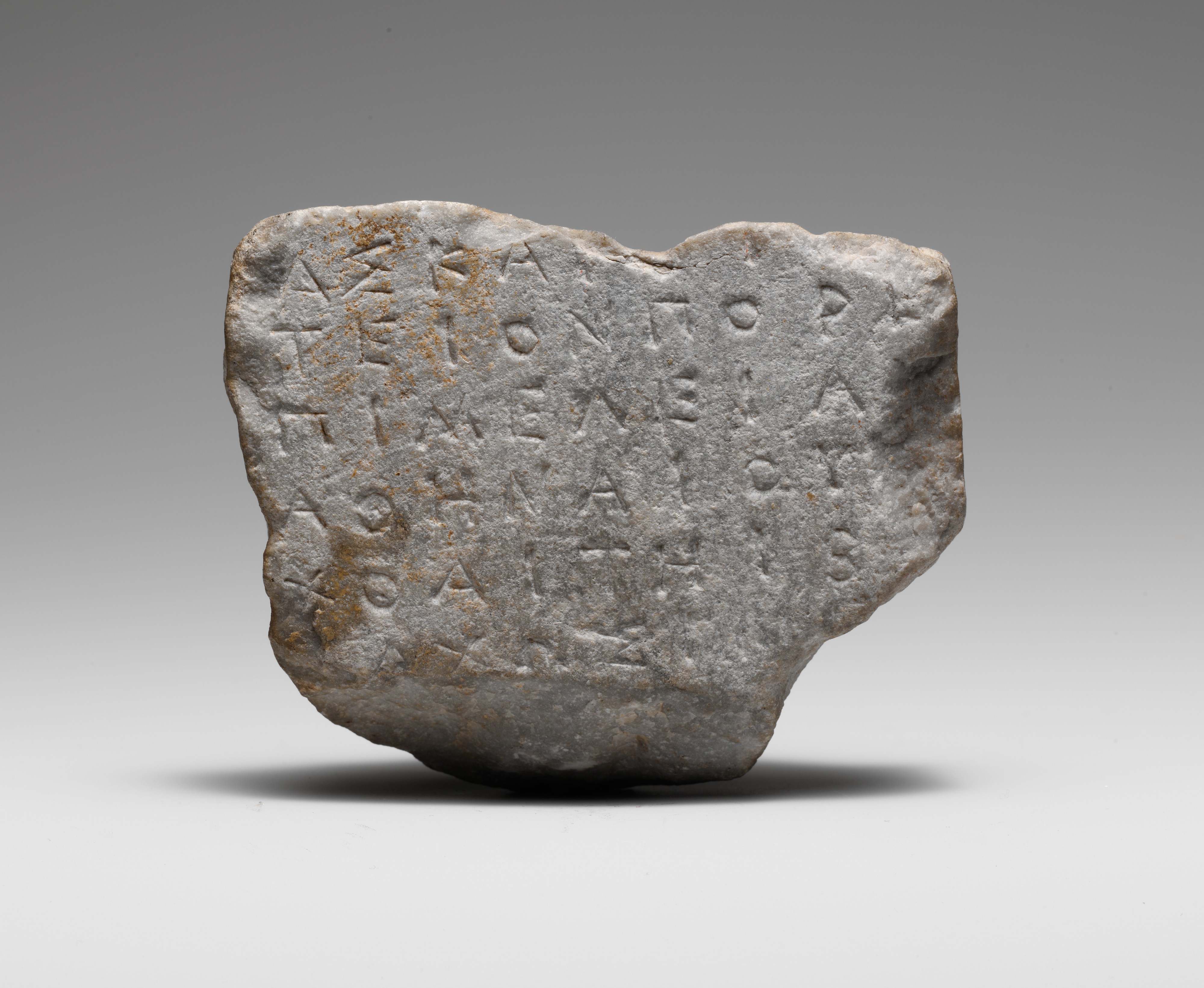
A manuscript may preserve an older form, modernize spelling, or combine features from different dialects. A paradigm assembled from texts separated by centuries can mislead if its cells are not dated. Copy the manuscript or inscription reference for each form and distinguish authorial language from a later copyist’s intervention where the evidence permits.
Practice: choose a paradigm in a historical grammar. Mark each cell as attested, normalized, restored, reconstructed or absent. Note the source period. Which generalizations survive when only contemporary attested cells are compared?
Modern-language examples on this page clarify a linguistic pattern. They do not establish unattested sounds or forms for an ancient language. Follow the cited sources below and keep editorial readings separate from the surviving trace.