Synthesis
Synthesis concerns how much grammatical material is expressed within a word rather than in separate words. An analytic construction may use a particle or auxiliary; a synthetic construction may use an affix or stem change. WALS contrasts English painted with will paint for one verbal category. These are properties of constructions and categories, not permanent identities of entire languages.
A single language may have very different degrees of synthesis in different parts of its grammar. The number of categories encoded in one maximally inflected verb is one sampling measure, not a definition of how every sentence works.
Fusion and exponence
Fusion describes how tightly a formative is phonologically connected to its host: independent word, concatenated bound piece, or nonlinear change. Exponence asks whether one formative encodes one category or several. These are independent questions. WALS uses Boumaa Fijian aa as a separate past marker in a clause whose verb also bears a transitivity suffix; one sentence therefore exhibits more than one kind of attachment.
The old labels “isolating”, “agglutinative” and “fusional” can summarize tendencies, but they conflate synthesis, fusion, allomorphy and exponence if used without definition. State which observable dimension is being compared, which forms were sampled and what the source actually counted.
Historical and corpus limits
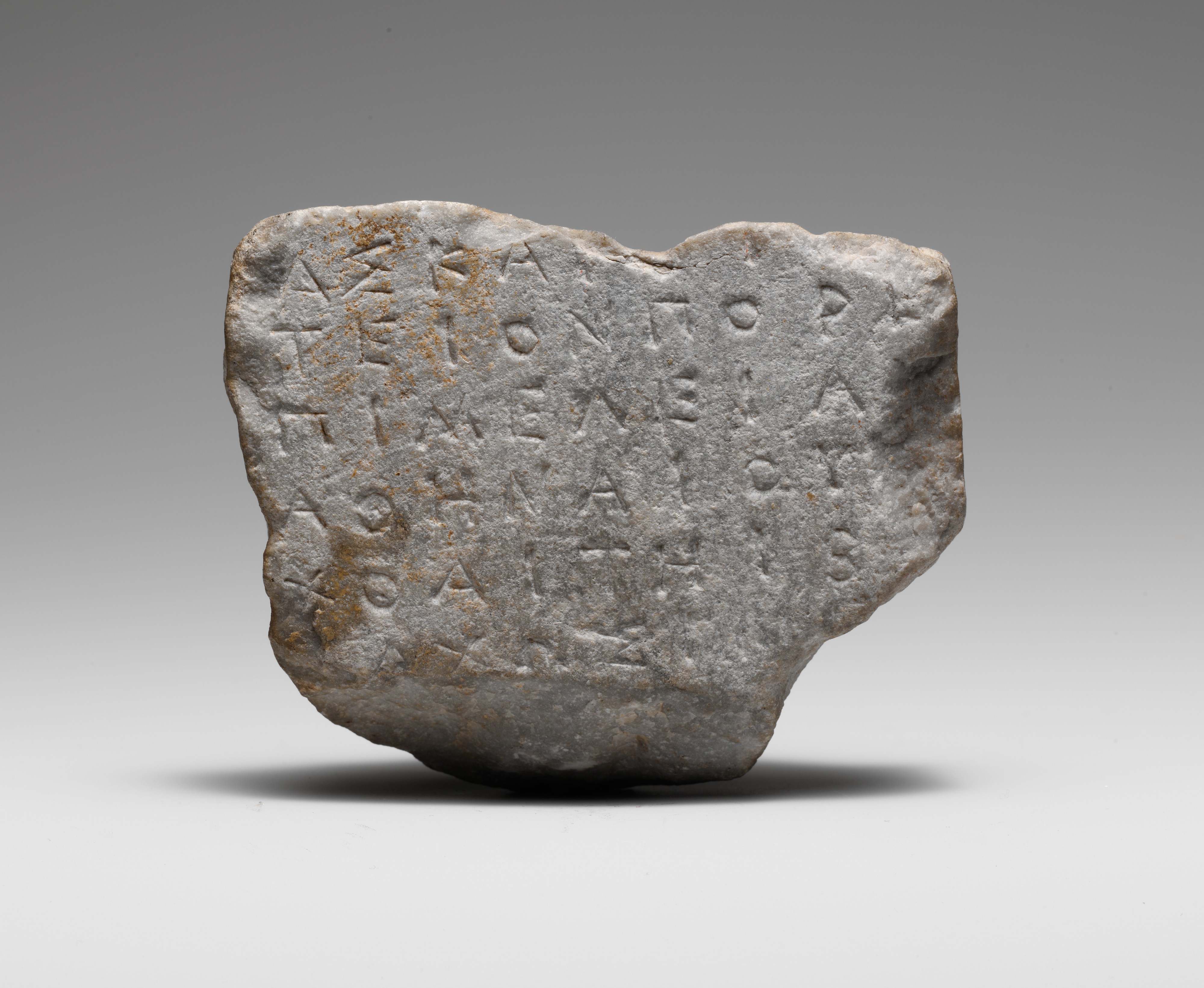
A written corpus is an uneven sample. Poetic compounds, formulaic inflection and administrative abbreviations can bias an impression of a language’s “type”. A diachronic language may shift its patterns over centuries. Compare forms from like periods and genres, and avoid attributing a modern typological value to an early stage without dated evidence.
Practice: describe Indonesian rumah-rumah, Greek gé-grapha, Russian case-number endings and Fijian aa on separate dimensions: process, attachment and number of categories expressed. One label will not capture all four.
Modern-language examples on this page clarify a linguistic pattern. They do not establish unattested sounds or forms for an ancient language. Follow the cited sources below and keep editorial readings separate from the surviving trace.