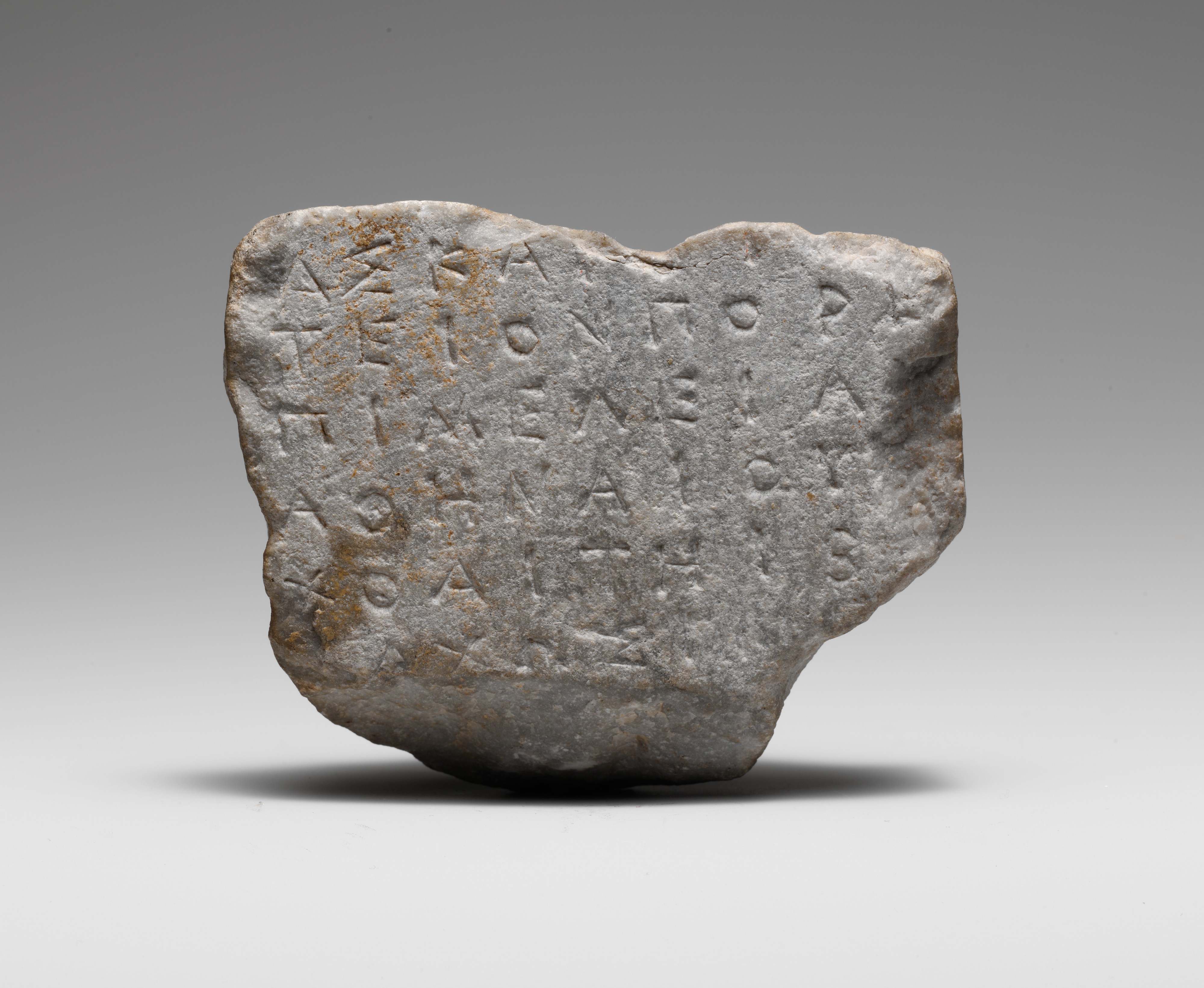
The three lines
An interlinear example normally gives a source form, a morpheme-aligned gloss and a free translation. A fourth line or linked record should provide the witness and edition. Under the Leipzig Glossing Rules, a hyphen joins morphs within a word and is matched by a hyphen in the gloss; an equals sign commonly marks a clitic boundary. A period groups several grammatical values expressed by one morph. These are conventions for presenting an analysis, not proof that the ancient text contained those separators.
Define abbreviations such as SG, PL, GEN and PST. A combined gloss GEN.PL is different from two segmentable markers glossed GEN-PL. Keep original orthography, transliteration and normalization in distinct fields so the reader can return to the evidence.
Parsing a token
Begin with the exact attested token and location. Generate candidate lemmata and stems using the grammar and dictionary; identify possible segmentations and feature bundles. Test each against the local syntactic construction, agreement, phonological alternations and parallel tokens. Record competing parses when a written form is syncretic. A parser output is a list of hypotheses until the context has been checked.
A word-level annotation should preserve the editor’s original reading, the date or recension of the text, and a confidence or status field. If a sign is damaged, do not let a neat morphological parse turn a restoration into a visible letter.
A parsing worksheet
Use columns for witness and line; graphic form; transliteration; segmentation; lemma; category and features; syntactic role; source for the rule; alternatives. For each segment, write what evidence identifies it. For each whole word, compare the proposed analysis to at least one independently attested form from the same period or dialect where possible.
The most useful final question is not “Can this be parsed?” but “What observation would falsify this parse?” A competing lemma, a nonmatching stem class or an incompatible agreement target can expose an error.
Practice
Take one published form with two possible analyses. Present both with source citations. Use the sentence to rank them, but retain the alternative if the writing system or damaged witness leaves the issue open. In the final translation, indicate the uncertainty where it changes the sense.
Modern-language examples on this page clarify a linguistic pattern. They do not establish unattested sounds or forms for an ancient language. Follow the cited sources below and keep editorial readings separate from the surviving trace.