Where boundaries come from
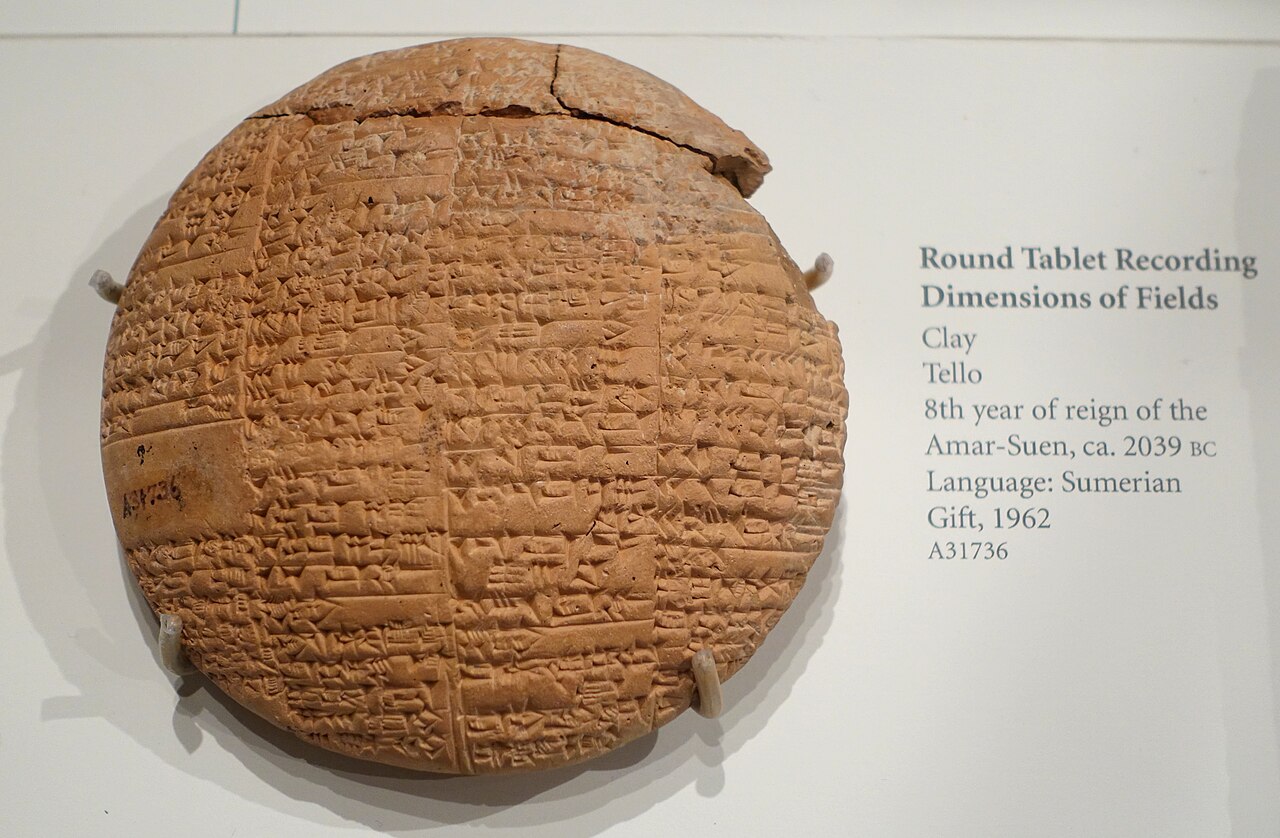
Spaces on a modern screen may represent editorial word division rather than boundaries visible on an ancient object. Coptic SCRIPTORIUM distinguishes bound groups, tokens and normalized words, and its workflow calls for human review of tokenization. Oracc’s ATF conventions distinguish signs and readings in cuneiform transliteration. A parser operating on a divided string inherits the editor’s boundary decision; it cannot independently confirm that decision from the object.
Copy the original sequence before adding separators. If two divisions are possible, write both with the meaning and grammar each would require. Parallel passages may support one division; a smooth English translation by itself does not. Avoid presenting a normalized continuous form as a diplomatic reading.
Two kinds of ambiguity
A homograph is a shared written form that can represent different lexemes. Syncretism is one morphological form serving more than one grammatical slot of a lexeme. Both can create multiple parser outputs, but their resolutions differ. In the first case, compare lexical contexts and headwords; in the second, compare agreement, case government and clause role. Damage and uncertain sign readings introduce another level: the string being parsed might itself be provisional.
Return to the attested Caesar line: the written form omnis should be tested against Gallia and the other agreeing forms in its clause, rather than translated from an isolated lookup. Perseus warns that its tools can return multiple analyses for ambiguous forms, including results irrelevant to the passage. Record the possibilities the live tool actually returns; do not claim a particular output without checking it.
Practice
Take a line whose edition marks a doubtful word break or sign. Transcribe the uncertainty exactly. Draw two possible analyses and state what adjacent form, parallel copy or object image would help decide. Leave the question open if none is available.
Modern-language examples on this page clarify a linguistic pattern. They do not establish unattested sounds or forms for an ancient language. Follow the cited sources below and keep editorial readings separate from the surviving trace.