Cite the layer used
A translation may depend on a photograph, a diplomatic transcription, a critical edition, a grammar, a lexicon and a digital parser. Give each its own credit. For an ancient passage, cite work, book or line, edition editor and publication or stable identifier. For a manuscript, add the holding institution and shelfmark when known. A tool citation needs the project, query, version or access date and relevant settings. An English translation by another scholar needs its translator, edition and passage.
A stable link helps but does not replace bibliographic detail. Online texts can be corrected or replaced. Preserve the exact reading you analyzed and the date you accessed a dynamic resource. For corpus searches, record the searched layer, query, filters and whether restored or damaged readings were included.
A complete small note
For the worked Latin example, a compact record begins: Caesar, De bello Gallico 1.1.1, T. Rice Holmes Latin edition as displayed by Perseus; edited line beginning Gallia est omnis. Add the date you accessed the page. Cite the Dickinson grammar for the agreement rule and Lewis’s dīvidō entry only if those resources informed your analysis. Label your English sentence as your own. If you quote the Perseus English translation, identify that translation separately.
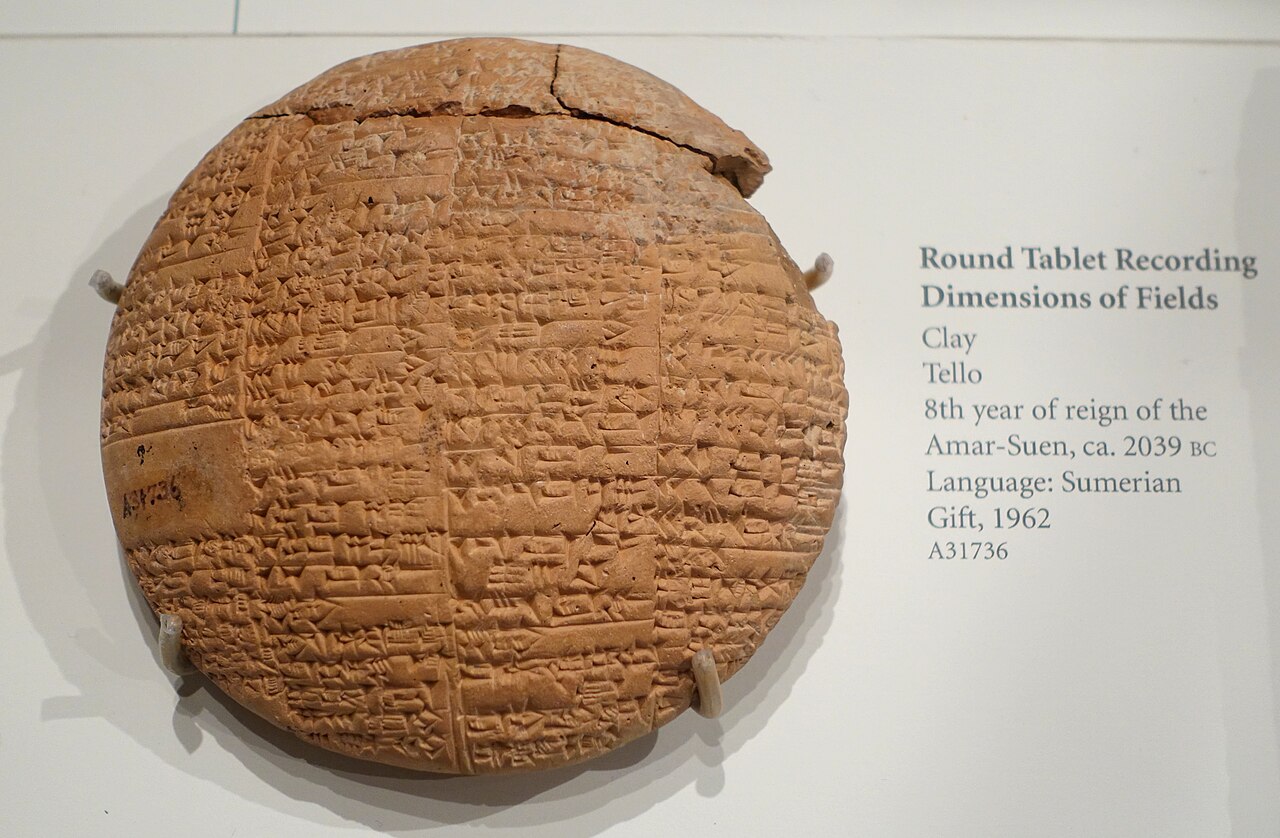
The same format scales to a fragment: object identifier; line; image; transcription and editor; proposed parse; lexical source; alternatives; close rendering; readable rendering. Uncertainty should be visible at the step where it enters, not buried in a general disclaimer at the end.
Practice
Prepare a one-page translation record for a passage of your choice. Ask another reader to locate the same source line, reproduce your tool search and identify which decisions are yours. Revise any citation or note that makes those steps difficult.
Modern-language examples on this page clarify a linguistic pattern. They do not establish unattested sounds or forms for an ancient language. Follow the cited sources below and keep editorial readings separate from the surviving trace.