A variant is a textual fact
Two manuscripts may preserve different letters or words. A critical edition chooses a base reading and may record alternatives in an apparatus. The TEI critical-apparatus guidelines distinguish the lemma of an apparatus entry from its individual readings and their witnesses. Here lemma means the base reading, not a dictionary headword. That difference in technical vocabulary matters when moving between an edition and a lexicon.
Record the witness identifier, location and exact reading for each relevant variant. Then ask whether it changes segmentation, grammar or meaning. Two English translations can differ because their editors printed different source texts; no amount of arguing over a dictionary gloss will resolve that until the readings are compared.
An edition comparison
The TEI Guidelines give an apparatus example from the first line of Chaucer’s Wife of Bath’s Prologue. They label the opening word Experience in the Ellesmere witness, Experiment in Lansdowne 851, and Eryment in Rawlinson Poetic 149. These are the readings printed in the TEI example; consult the manuscripts or a specialist edition before making any wider textual claim. The example shows why a translation note must identify its source reading before discussing English word choice.
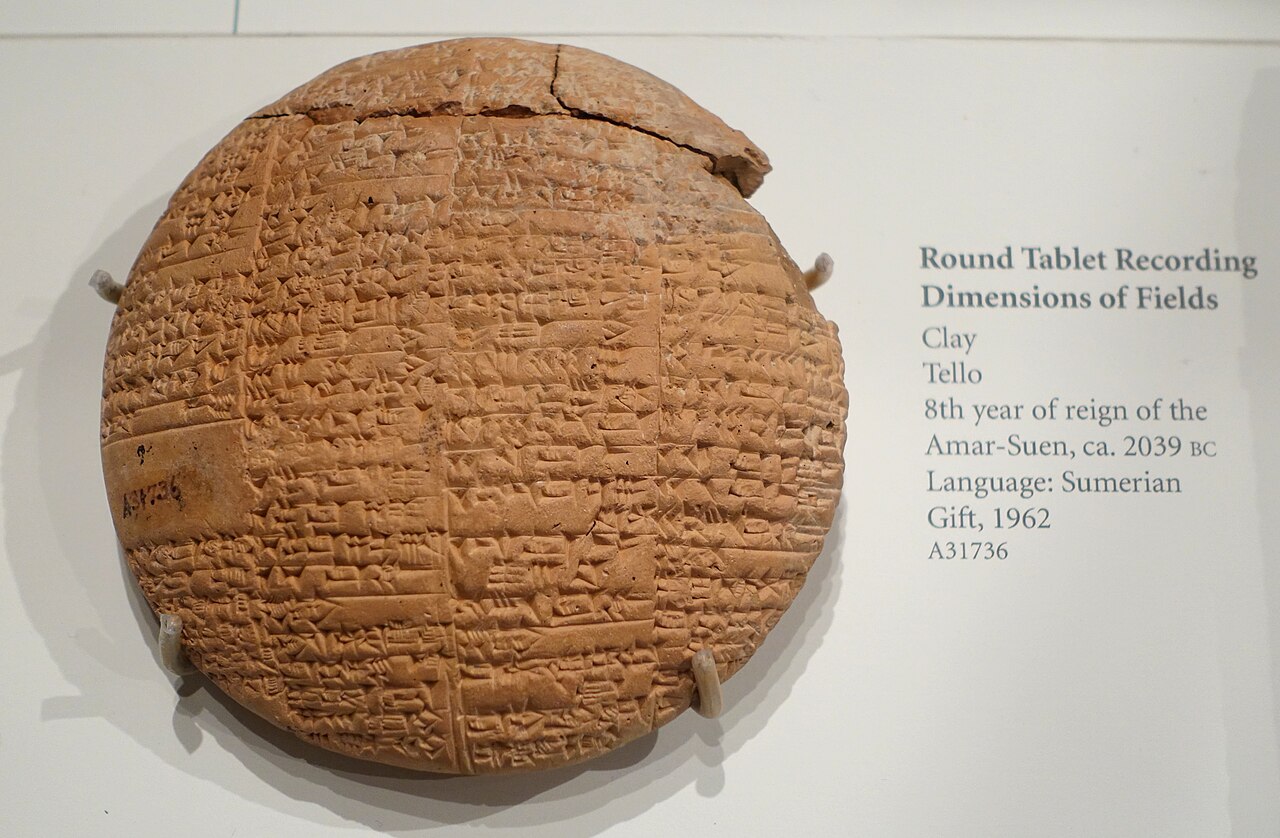
For ancient texts, inspect the edition’s sigla and notes in the same way. A restored word from a gap differs from a word visible in a witness. Oracc’s ATF tutorial marks partial damage and uncertain readings; these markers should remain connected to the translation.
Practice
Find an apparatus entry with at least two readings in a published edition. Write each reading beside its witness siglum and the editor’s chosen text. Translate both readings closely. Explain which English difference is forced by the variant and which is stylistic.
| Witness label | Opening word | What to check |
|---|---|---|
| El · Ellesmere | Experience | The reading selected as base text in the example |
| La · Lansdowne 851 | Experiment | The alternative recorded for this witness |
| Ra2 · Rawlinson Poetic 149 | Eryment | Another variant reading in the published example |
Modern-language examples on this page clarify a linguistic pattern. They do not establish unattested sounds or forms for an ancient language. Follow the cited sources below and keep editorial readings separate from the surviving trace.