Begin with the witness
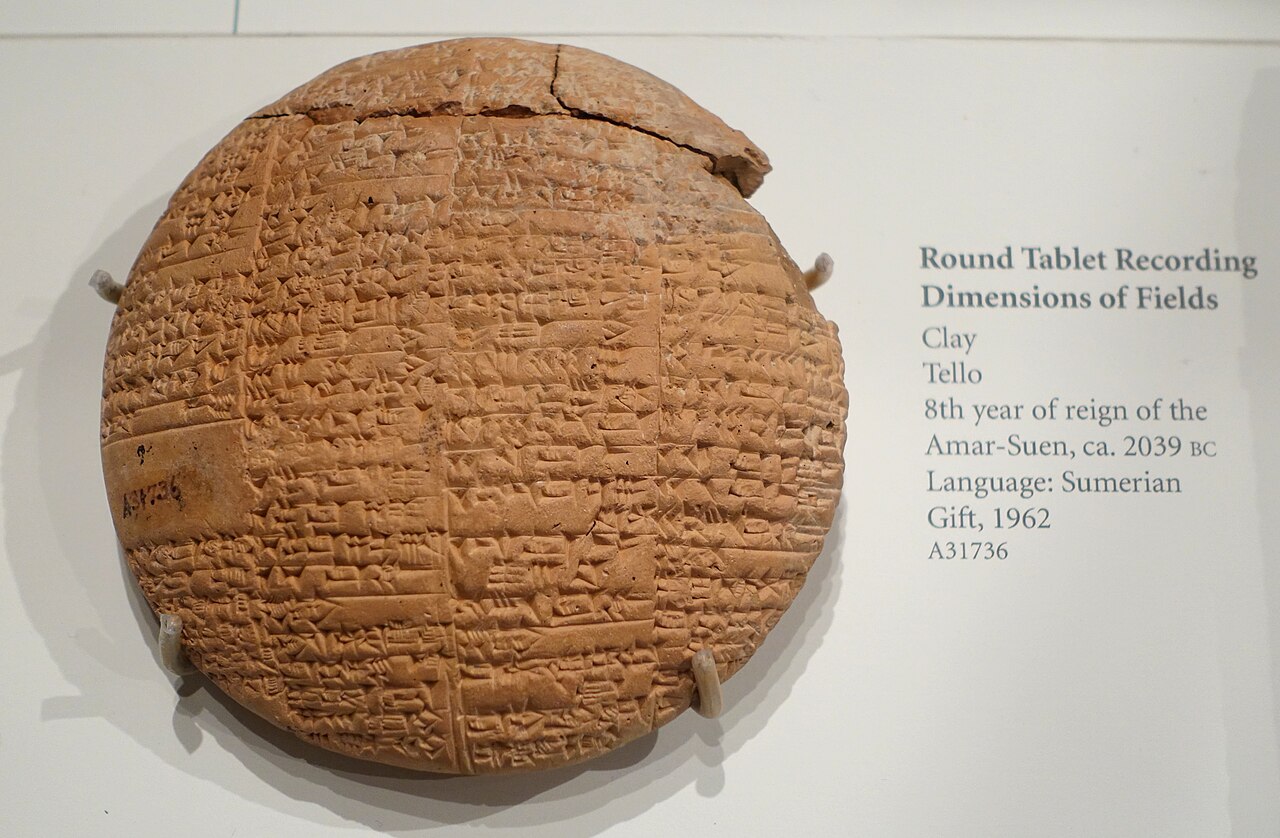
For a fragmentary language, document the object, line, find context and edition before searching for English. Separate visible signs from sign names, possible phonetic readings and linguistic interpretation. Record direction, damaged portions and joins between fragments. A short repeated formula can be more useful than a long unique inscription because it lets you test a proposed pattern against independent occurrences.
List the securely repeated elements and their positions. Identify possible numerals, names or titles only where external evidence supports them. Do not make an appealing narrative supply the missing grammar. A parser trained on a better-attested language should not be applied as if it were a grammar of the fragmentary one. Cross-language resemblance can suggest a hypothesis but needs regular correspondences and historical context.
Translate by confidence span
Create a line with three columns: observed form, proposed analysis and English. For each unit, mark secure, plausible, disputed or unreadable and cite why. A recurring sign group may be recognized without its meaning being known; label it as a recurring group rather than assigning an English noun. If only isolated names or numerals are secure, translate only those attested elements and describe the remainder as unreadable, following the notation of the cited edition.
Seek controls: another witness of the same composition, parallel formulae, a bilingual text, ancient lexical tradition or contextual archaeology. Ask whether a proposal predicts a reading in new material. Publish unresolved alternatives and the evidence that would decide them.
Practice
Take an edition of a genuinely fragmentary text and select one line. Write a source-only record before reading its translation. Then compare the editor’s reading, apparatus and translation, marking every place where the English depends on restoration or a disputed sign.
Modern-language examples on this page clarify a linguistic pattern. They do not establish unattested sounds or forms for an ancient language. Follow the cited sources below and keep editorial readings separate from the surviving trace.