Four different objects
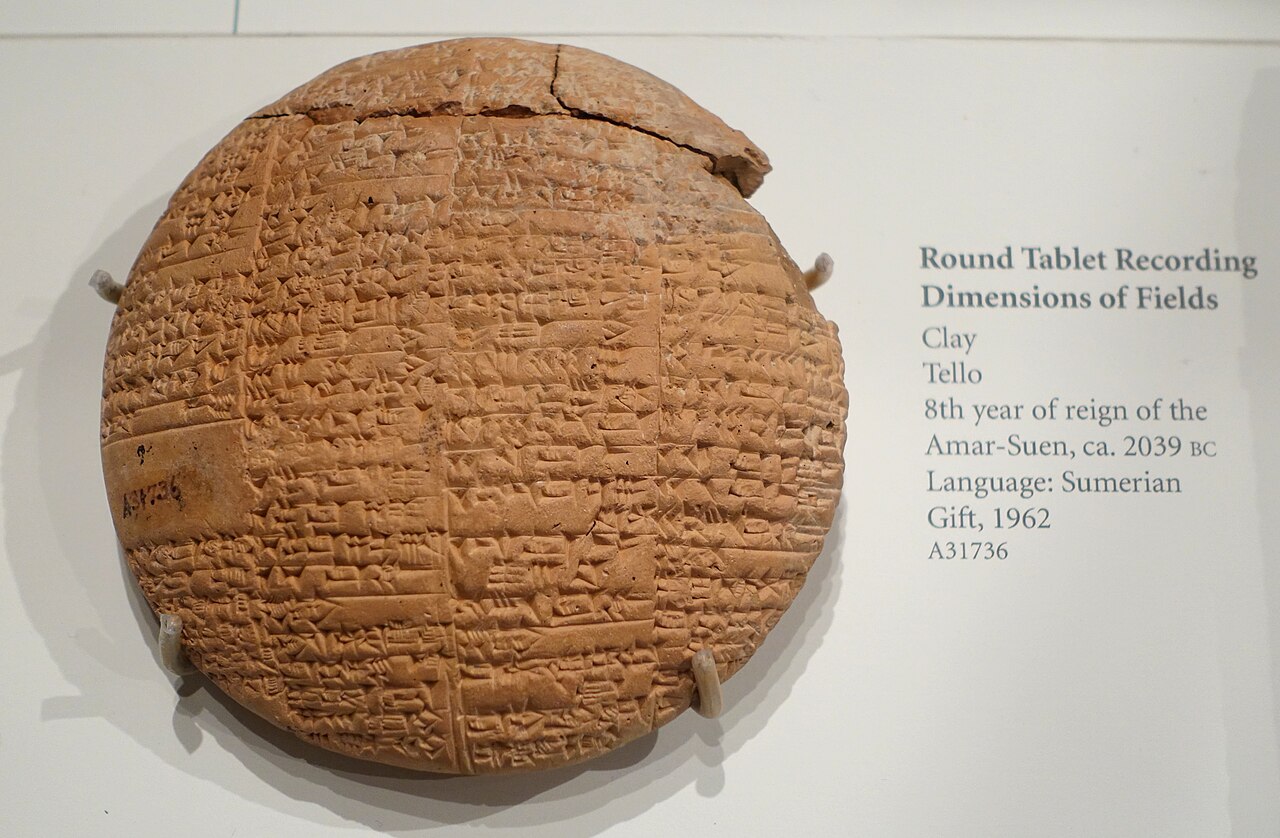
A manuscript or inscription is a physical witness. A transcription represents marks on that witness. An edition may normalize spelling, divide words, supply missing letters and choose among witnesses. A translation interprets an edited reading. When these stages are merged into a single fluent sentence, a reader cannot see where the evidence ends and an editor’s choice begins. Start every translation note with a reference to the witness or edition and its precise passage, then preserve the form you actually consulted.
A useful record has separate fields for image or facsimile, diplomatic transcription, edited text, segmentation, lemma, morphology, lexical sense, close translation and readable translation. Some projects will lack an image or a complete apparatus; write “not available” rather than silently skipping the field. Keep the original writing system and transliteration as distinct searchable strings.
One short passage
Perseus prints Caesar’s opening as “Gallia est omnis divisa in partes tres”. That is a citable edited Latin line, not a newly reconstructed ancient form. Before translating, identify the subject Gallia, the agreeing omnis and divisa, the auxiliary est, and the prepositional phrase in partes tres. The grammatical links matter more than the English order in which a tool might display dictionary glosses.
A close rendering is “All Gaul has been divided into three parts.” A readable version might say “Gaul as a whole is divided into three parts.” The two English sentences differ in verbal aspect and emphasis; neither licenses changing the Latin. Perseus also hosts an older English translation. Compare it only after making your own analysis, and cite its translator separately if you use its wording.
Practice
Open Caesar 1.1.1 in the linked Latin edition. Copy only the six-word opening into a note, with its passage citation. Add a column for each form’s function, your close rendering and a readable sentence. Underline one choice that the Latin grammar constrains and one English wording choice that remains flexible.
| Layer | Record | Question |
|---|---|---|
| Edited Latin | Gallia est omnis divisa in partes tres | Which edition printed these forms? |
| Analysis | Gallia: subject; omnis and divisa: agreeing forms | What evidence supports the links? |
| Translation | Gaul as a whole is divided into three parts. | Where did English wording add or smooth meaning? |
Modern-language examples on this page clarify a linguistic pattern. They do not establish unattested sounds or forms for an ancient language. Follow the cited sources below and keep editorial readings separate from the surviving trace.