Different uncertainty levels
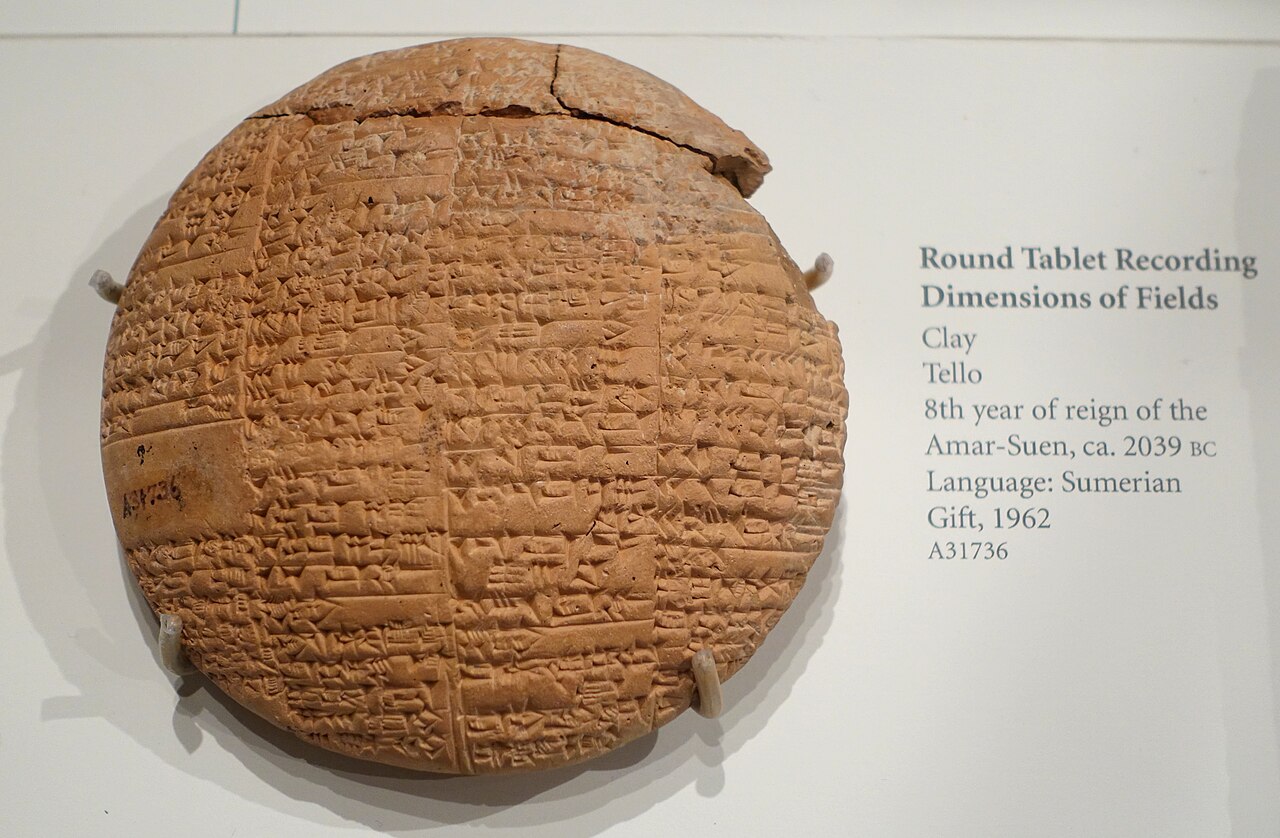
A surface can be broken, a visible sign can have an uncertain reading, an editor can restore missing text, and a clear form can still have uncertain grammar or meaning. These are different uncertainties. Oracc’s ATF tutorial uses explicit conventions for damaged and partly broken signs; its translation guidance distinguishes fully restored words, supplied English for the sense and uncertain renderings. Preserve the editor’s particular convention when quoting that edition, and explain it in ordinary words for readers.
A polished sentence can hide all four uncertainties. Attach each note to the exact source span it affects. If a proposed restoration supplies the main verb, the English clause depends on it; mark that dependency. If only a minor inflection is doubtful, a broad translation may remain secure, but the analysis should still say why.
An honest translation note
Use a concise structure: “visible trace”, “editor’s reading”, “alternative”, “effect on English”. The TEI Guidelines discuss an abbreviation in line 105 of the Hengwrt manuscript of Chaucer’s Wife of Bath’s Prologue. They show that F. J. Furnivall and P. G. Ruggiers expanded the marked letters differently, while Elizabeth Solopova represented the abbreviation mark without choosing an expansion. That is a documented disagreement about reading visible marks, and its source remains identifiable in the TEI example.
When two readings produce different interpretations, print both possible close renderings if space permits. A question mark attached only to the final English sentence may be too vague: say whether the uncertainty is in a sign, word division, grammatical parse or contextual sense.
Practice
Choose a published damaged line with its edition’s key. Copy the symbols for damage and restoration, explain what each means in that edition, then write a close translation that keeps the same distinction. Note which words of the English remain secure if the restoration is removed.
Modern-language examples on this page clarify a linguistic pattern. They do not establish unattested sounds or forms for an ancient language. Follow the cited sources below and keep editorial readings separate from the surviving trace.