A cognate is a historical claim
Cognates descend from a common ancestral form through ordinary transmission. They need not look almost identical today, and lookalikes need not be cognate. Start with comparable meanings, but do not require identical dictionary glosses: a meaning may narrow, broaden or shift. Then align segments across many candidate sets and seek consistent correspondences. Shared irregular morphology can strengthen a case because a whole patterned paradigm is harder to explain by coincidence than one short word.
The procedure is circular only if every candidate is admitted because it resembles a desired reconstruction. Keep a discovery set and independent test sets. A proposed pairing that contradicts well-supported correspondences may be a loan, a chance resemblance, a wrong segmentation, or an incorrectly understood meaning. A short kinship word alone is particularly weak evidence for a remote family connection.
Sampling relatives
Compare branches, not just two neighboring varieties. The Austronesian Comparative Dictionary requires geographically and genealogically distributed witnesses for major reconstruction levels. Its introduction also warns that Malay has lent words to other regional languages, making some apparent cognate distributions ambiguous. Thus a widespread form is useful only when its distribution and regular reflexes are interpreted against a contact history.
A correspondence table should state which source is responsible for each form, whether the form is attested or reconstructed, and whether the compared morphemes have the same function. A word translated “father” in two dictionaries can contain distinct suffixes or stem shapes. Align only the parts whose relationship is being proposed; do not turn English glosses into evidence of identical structure.
Practice
For one published cognate set, write three competing explanations: inheritance, copying by contact, and accidental resemblance. For each, identify one additional observation that would strengthen it and one that would weaken it. Explain why a single matching gloss cannot choose among them.
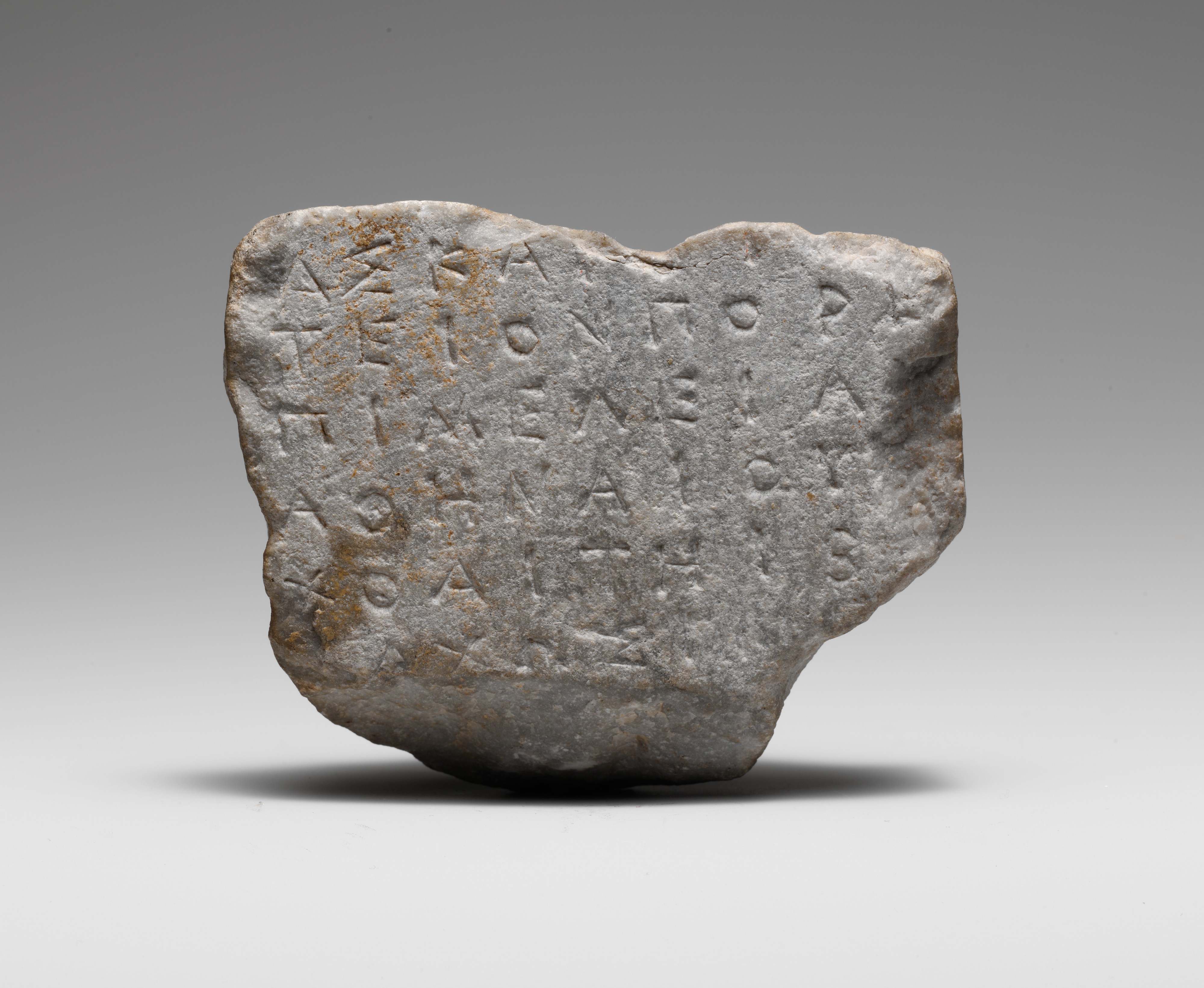
Modern-language examples on this page clarify a linguistic pattern. They do not establish unattested sounds or forms for an ancient language. Follow the cited sources below and keep editorial readings separate from the surviving trace.