From reflexes to a protoform
Once cognate sets and sound correspondences are secure, propose an ancestral sound or form that can develop into the reflexes under independently motivated changes. This is comparative reconstruction. The asterisk before a form conventionally marks that it is reconstructed, not directly read from a manuscript. The notation should also say which ancestor is meant: Proto-Germanic, Proto-Malayo-Polynesian and Proto-Indo-European are different hypotheses at different depths.
A good reconstruction explains several sets and predicts the shape of additional ones. Do not choose the majority sound by a vote of modern languages; multiple related daughters may share one innovation, while one branch retains an older contrast. Nor is the daughter closest in spelling necessarily the oldest in every feature. Reconstruct only what the evidence distinguishes. A protoform may leave stress, vowels or morphology uncertain even when one consonant is well supported.
Controls on the inference
Check whether the proposed changes are phonetically and historically plausible, whether the same rule works in different words, and whether known intermediate stages confirm or challenge the sequence. Internal reconstruction can use alternations inside one language to propose an earlier pattern, but it is a different argument from comparing sister languages. Both arguments become stronger when independently dated forms agree.
The Austronesian Comparative Dictionary labels its reconstructed forms by level and requires witnesses from specified branches. That editorial discipline prevents an attested Malay form plus a close borrowing from being printed as though it securely represented the entire family. A reconstruction is a compact explanation of evidence; it is not a claim that every ancestral speaker pronounced a single standardized spelling exactly as the notation suggests.
Practice
Using a published comparative entry, make two columns headed “attested” and “reconstructed.” Copy three reflexes with language names into the first and the published protoform with its node into the second. Explain one sound correspondence that links the columns. If the source proposes more than one reconstruction, keep the alternatives visible.
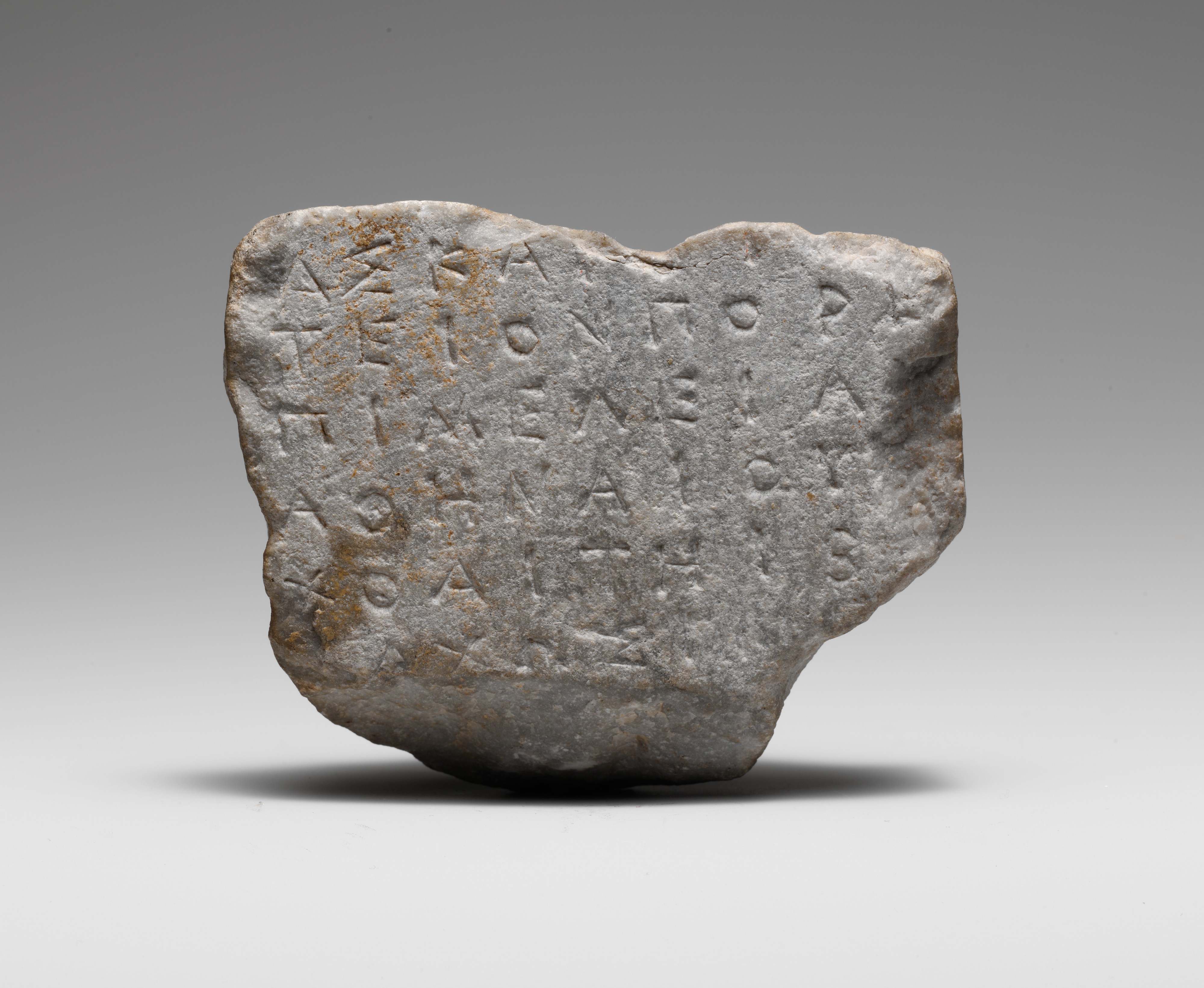
Modern-language examples on this page clarify a linguistic pattern. They do not establish unattested sounds or forms for an ancient language. Follow the cited sources below and keep editorial readings separate from the surviving trace.