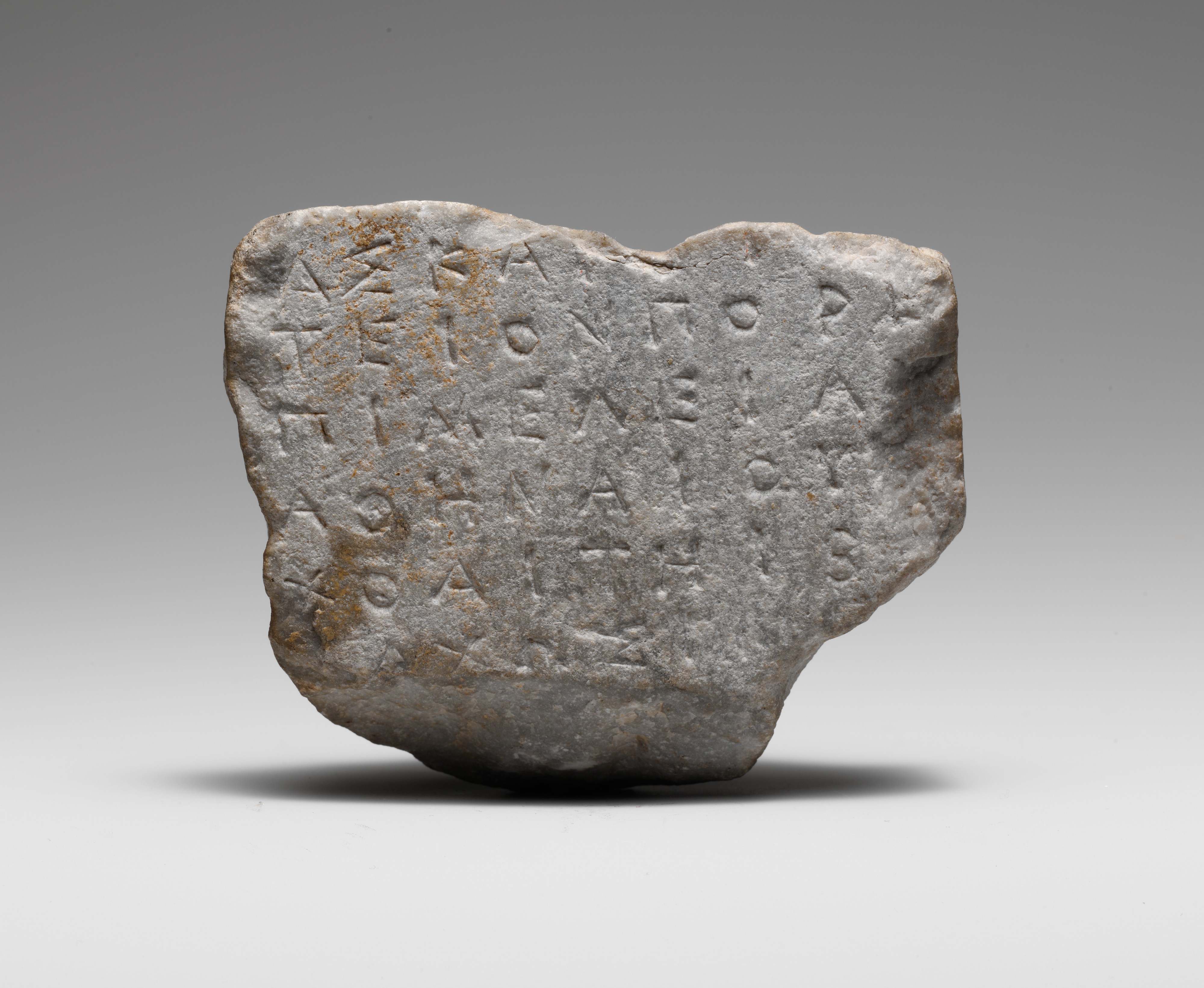
Script and language
A new script can make an older spoken distinction newly visible, while a conservative spelling can conceal a newer pronunciation. The Unicode Standard describes Coptic as a later Egyptian language written largely with a Greek-derived alphabet plus signs drawn from Demotic. A change from earlier Egyptian scripts to Coptic writing is therefore not, by itself, a change to an unrelated language. To compare earlier and later Egyptian, keep graphic signs, conventional transliterations and proposed pronunciations in distinct columns.
A copied text may preserve archaic words in a learned register. DCCLT’s Sumerian–Akkadian lists exemplify written survival across a long period of changing speech and scholarship. A late school tablet proves that someone copied or studied the material; it cannot give a population count of Sumerian speakers. Nor should a late transcription silently replace an earlier phonological reconstruction.
Confidence levels
State whether a form is visible, normalized, restored from damage, reconstructed by comparison or supplied as a teaching example. Those labels indicate different kinds of evidence. If two editions disagree about a sign, the uncertainty belongs in any downstream sound correspondence. If a corpus has only one token, say that a proposed change is provisional. If no texts survive from a region for a century, the gap limits the chronology rather than proving continuity or rupture.
Historical analysis can be strong without pretending to precision it lacks. Several independent branches may secure an ancestral contrast while its exact phonetic realization remains disputed. A dated form may establish a spelling change while speech change remains uncertain. Report the narrow result first, then the inference and its alternatives.
Practice
Take one published ancient form and tag each character or segment as visible, editorially supplied, normalized or reconstructed. Write a two-sentence historical claim that only uses secure evidence, followed by a separate sentence for the plausible but uncertain inference.
Modern-language examples on this page clarify a linguistic pattern. They do not establish unattested sounds or forms for an ancient language. Follow the cited sources below and keep editorial readings separate from the surviving trace.