Before and after
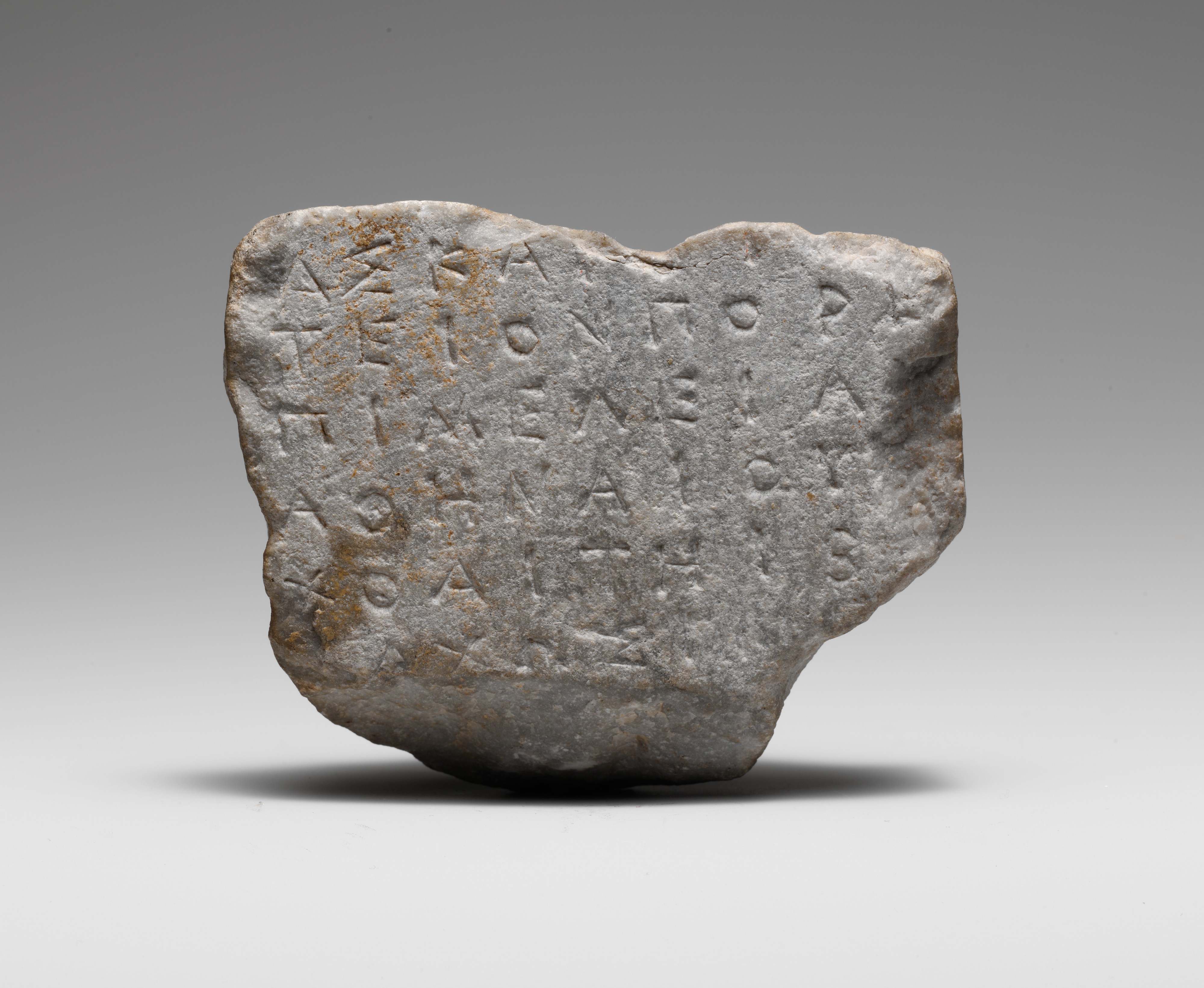
A dated inscription gives a point at which a written form is attested, subject to spelling conventions. Comparative evidence often gives relative order instead: one change must occur before another for their combined result to arise. A first change may create the environment in which a second applies, or remove it. State the input, intermediate stage and output as analytical stages; an intermediate written nowhere must be labeled as inferred, not presented as a recovered inscription.
An innovation shared by two branches may have arisen in a common ancestor, or diffused while their speech communities still interacted. Its date is constrained by the earliest relevant witness and by other changes that precede or follow it. An older manuscript copied later can complicate the earliest-witness argument; dating the physical copy is not the same as dating the author’s language.
Change and period labels
Old, Middle and Modern are convenient labels for clusters of linguistic and documentary features. They do not mark a night on which all speakers switched to a new grammar. Regional varieties can change at different rates, and learned writing can remain conservative. The Essentials of Linguistics chapter on why languages change stresses continuous variation beneath period divisions. State the forms and dates that justify a boundary in a specific analysis.
Absolute dates are often broader than the neat arrows in a teaching diagram. A first attestation shows that a variant was available by then; a last attestation in a limited corpus does not prove that nobody used it afterward. Compare independent genres and locations before claiming replacement. If the order of two changes is not recoverable, show both possible sequences.
Practice
Make a relative chronology for two documented changes in one language history. Include a dated witness before or after each if available. Draw two alternate orders and test whether each predicts the observed forms. Label every unattested intermediate stage as a reconstruction.
Modern-language examples on this page clarify a linguistic pattern. They do not establish unattested sounds or forms for an ancient language. Follow the cited sources below and keep editorial readings separate from the surviving trace.