Time and witnesses
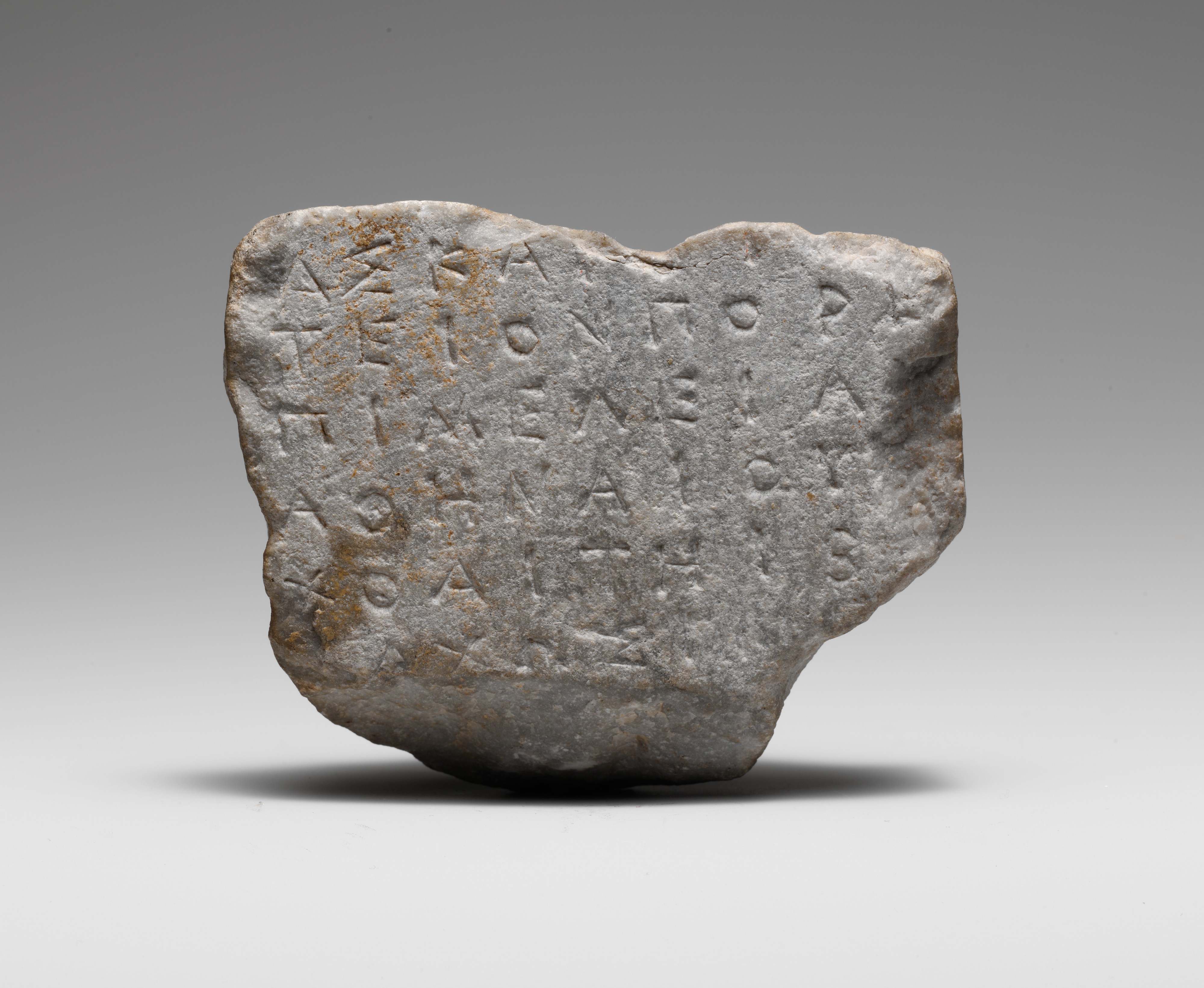
Historical linguistics explains differences among dated forms and related varieties. A surviving object has a production date or date range; a work may have an earlier composition date; and a modern edition has a publication date. These are three distinct coordinates. A copied manuscript can preserve old wording, modernize spelling, introduce mistakes, or mix forms from several periods. Record the witness and its date before treating a form as evidence for a stage of language.
An inscription often anchors a written form more securely than a work known only from later copies. It still does not give a recording of pronunciation. A writing system may omit vowels, merge several sounds under one sign, or follow a conservative convention. Metre, rhyme, transcriptions into another script, contemporary grammatical descriptions, and daughter-language reflexes can supply additional constraints, each with its own date and limitations.
The Sumerian record
The Digital Corpus of Cuneiform Lexical Texts describes Sumerian lexical lists copied and translated into Akkadian long after ordinary spoken Sumerian declined. Later copies are evidence for later scribal teaching and for the forms that scribes transmitted. They do not turn every copied Sumerian word into evidence for living vernacular use at the copy date. The corpus even records late Greek transcriptions intended to indicate Sumerian pronunciation; such spellings witness a late learned reading, which must be evaluated against older evidence.
A useful record for each form has fields for physical object or manuscript, sign sequence, transliteration, editorial normalization, language or dialect, genre, date range, and the source of each identification. Keep the transcription of visible signs separate from a proposed sound value. The absence of a form in a surviving archive is an absence in that archive, not a dated extinction of the form or its speakers.
Practice
Choose one form in an edited historical text. Build a three-line evidence note: the visible or diplomatically transcribed form, the editor’s normalized form, and any proposed pronunciation. Add the object date and any earlier composition claim. Which line can be checked against the surviving object, and which depends on analysis?
Modern-language examples on this page clarify a linguistic pattern. They do not establish unattested sounds or forms for an ancient language. Follow the cited sources below and keep editorial readings separate from the surviving trace.