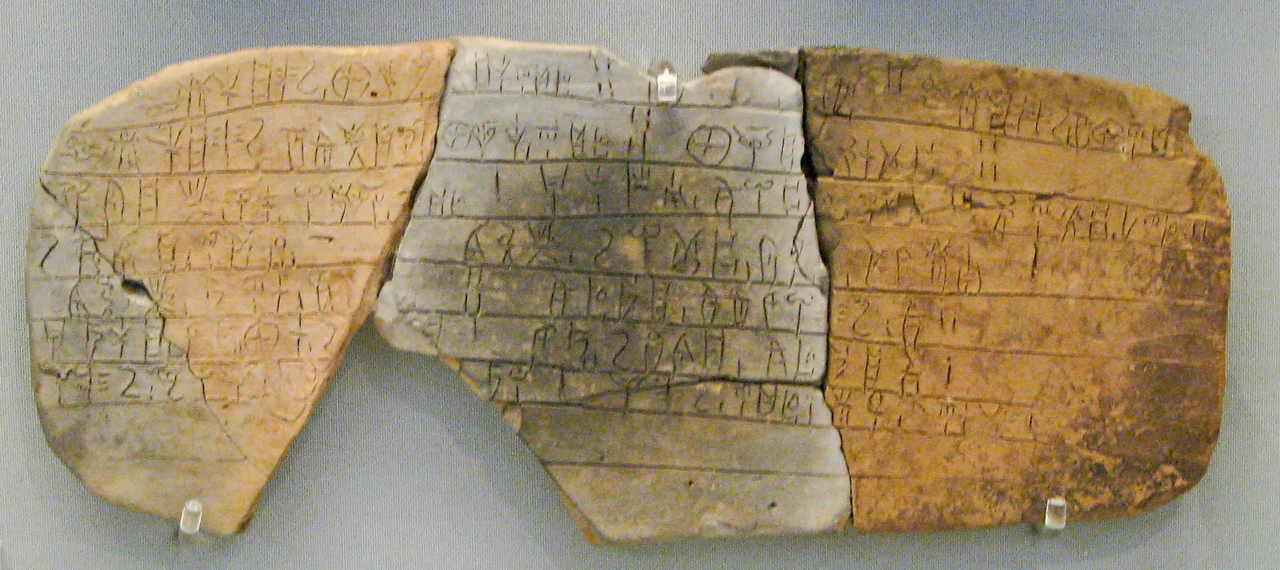
Objects and copies
Decipherment begins with objects, not a translated sentence. Record an object identifier, findspot if known, material, date or date range, image or reliable facsimile, and the edition used. An old hand copy may be the only record of a lost surface, but its strokes are a copyist’s observation. A modern photograph can improve a reading without changing the ancient object. Keep the copy and any revised reading linked to the same witness.
The Peabody Museum’s Corpus of Maya Hieroglyphic Inscriptions was founded to document carved monuments systematically. Such documentation made it possible to compare repeated signs across sites. The Rosetta Stone offers three versions of a decree, but even a famous bilingual does not remove the need to establish where each text begins, what survives, and which passages correspond. A sign on a damaged edge should not be completed from the expected translation without marking the restoration.
The working corpus
Give every sign occurrence a stable location, such as object, face, line and position. Store its visible form, proposed sign identity, transcription, uncertainty and context separately. A sign list can then be revised without rewriting the photographs. Include repeated copies and near duplicates, while identifying them as such: ten copies of one formula are not ten independent kinds of evidence. Distinguish inscriptions available when a hypothesis was proposed from later finds used to test it.
A small corpus can still yield secure observations about direction, repetition and layout. It may not reveal the language, pronunciation or genre. A corpus assembled only from the examples a theory already explains makes its success appear stronger than it is. Record exclusions, damaged portions and unpublished material that cannot be checked.
Practice
Use the Peabody Maya corpus or the British Museum’s Rosetta Stone record to select one object. Write a five-field evidence note: object identifier, physical surface, date claim, source of the image or copy, and one uncertain mark. State separately what is visible and what an editor supplies.
Modern-language examples on this page clarify a linguistic pattern. They do not establish unattested sounds or forms for an ancient language. Follow the cited sources below and keep editorial readings separate from the surviving trace.