A claim with consequences
A decipherment claim should publish its corpus, sign inventory, reading direction, sign values, segmentation rules, proposed language, translations and exceptions. Each value should have more than a single convenient example where the corpus allows it. The procedure must produce readings of objects that were not used to choose the values. A failed prediction is information: report it and revise the claim rather than adding a new one-off value that makes the failure disappear.
Assess alternatives at the same level. A recurring group may be a name, a title or a commodity. Which hypothesis predicts its positions beside numerals, people or objects? A sound resemblance to a modern word is weak if it requires several unmotivated changes; a translation that always fits the image beside it may merely describe the image. Independent linguistic and archaeological constraints are what make a reading hard to fake.
Levels of confidence
Use precise statements: sign identity secure, sound value probable, grammatical parse possible, lexical meaning unknown. A script can be partly readable and its language obscure, as with Meroitic. A major decipherment can be secure while a particular passage remains disputed. Confidence should be attached to the specific inference rather than to the reputation of a scholar or the drama of a discovery story.
The strongest demonstration is reproducible: another researcher, with the published rule and images, obtains comparable readings and can identify the same unresolved cases. Retain the original graphic data and edition references so later revisions can be audited.
Research exercise
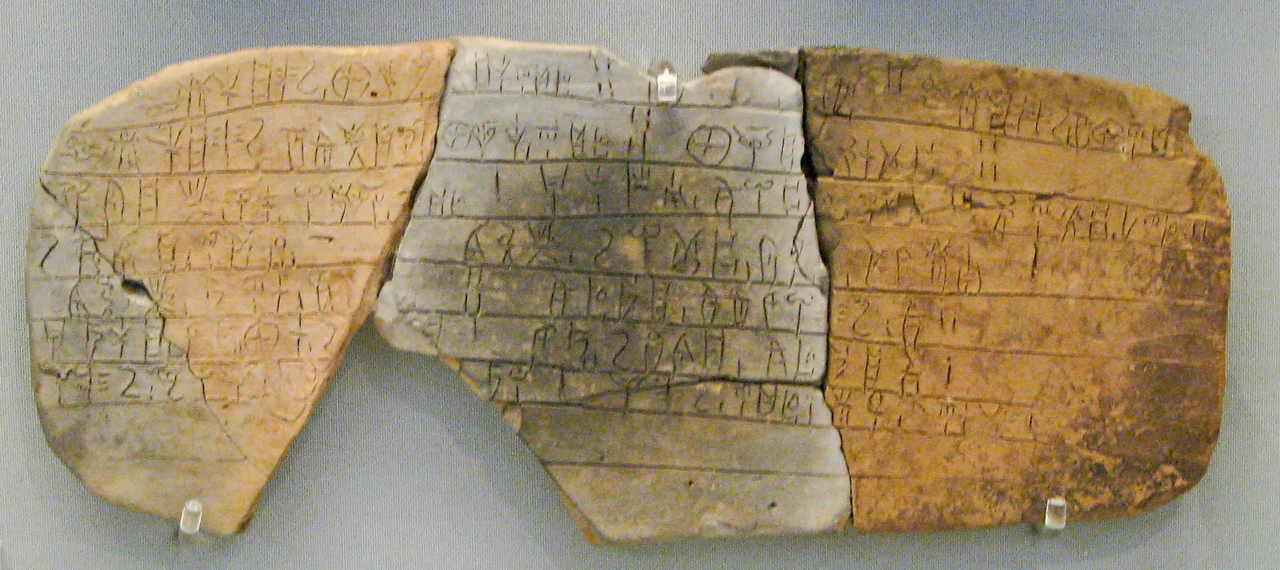
Prepare a two-page decipherment dossier for one documented inscription. Include object and image citation, dated context, diplomatic sign sequence, editorial sign IDs, one proposed reading, one alternative, a reason for each sign value, and a separate test inscription. End with three claims labeled secure, probable and unresolved. A rigorous result may conclude that the available evidence does not support a translation.
Modern-language examples on this page clarify a linguistic pattern. They do not establish unattested sounds or forms for an ancient language. Follow the cited sources below and keep editorial readings separate from the surviving trace.