A workable first passage
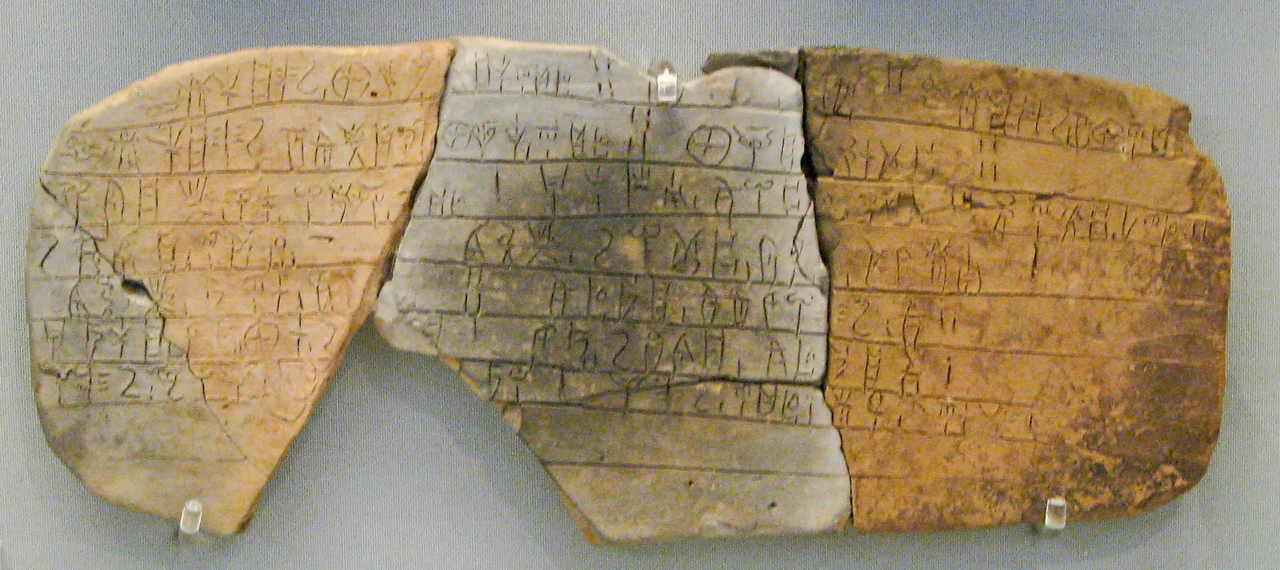
Begin with a few lines on a named object or manuscript page. Identify the physical witness and a transcription that names its editor and explains its symbols. A short passage with a photograph, location, date range and line numbers is more useful for practice than a long anonymous translation. Limit the first reading to one period and writing convention; record later comparisons as separate sources.
The Oracc ATF Primer provides named tablets and lines, including P348658 in its second example. The British Museum identifies the wooden birthday invitation from Vindolanda as writing tablet 291, collection number 1986,1001.64. The Codex Sinaiticus edition aligns page images and transcription. These are different kinds of witness; choose one suited to the language and script you are studying.
Selection checklist
Write the object or shelfmark identifier, repository, exact surface or page, and edition title. Check whether the image covers the intended line and whether the edition has a legend for damage, omissions and corrections. Check access and reuse terms before publishing an image. A catalogue description helps you find an object, but is not automatically a diplomatic transcription or critical apparatus.
If the original is not imaged, state that you are working from an edition. If a text is an editorial composite, identify the witnesses that feed it. Do not claim to have inspected a mark known only from a printed line.
Practice
Open Oracc’s ATF Primer, Example 2, and find P348658. Record its identifier, object type, named surface, line range, transcription format, and which physical evidence you can inspect. Mark any unavailable image or metadata as unavailable. Decide whether this is an appropriate passage for your current study goal, and give one reason.
Modern-language examples on this page clarify a linguistic pattern. They do not establish unattested sounds or forms for an ancient language. Follow the cited sources below and keep editorial readings separate from the surviving trace.