The reading record
Give each note a stable local ID. At the top put object identifier, repository, reported date range, surface or folio and line, image or Canvas link, edition citation and access date. Below it keep diplomatic text, normalization, morphological candidates, lexical reference, translation and unresolved questions in separate labelled fields. Credit the editor for copied readings and distinguish your proposals.
An image licence, transcription licence and dictionary licence can differ. Record provenance and rights with each reused item. A stable object record is preferable to a transient search URL; a IIIF Manifest and Canvas can help identify the viewed page when the collection supplies them.
Citation templates
For an object claim, cite repository, collection identifier and object record. For a reading, cite editor or project, text identifier, surface or folio, column and line, version or access date, and edition URL. For a translation, cite its translator separately. For a dictionary claim, cite headword, sense location and edition. Fill these fields from the source; do not invent missing metadata.
When a citation is incomplete, mark the field “not supplied” and continue the search. Never silently substitute a work title for a physical witness or an object record for a line-level edition.
Practice
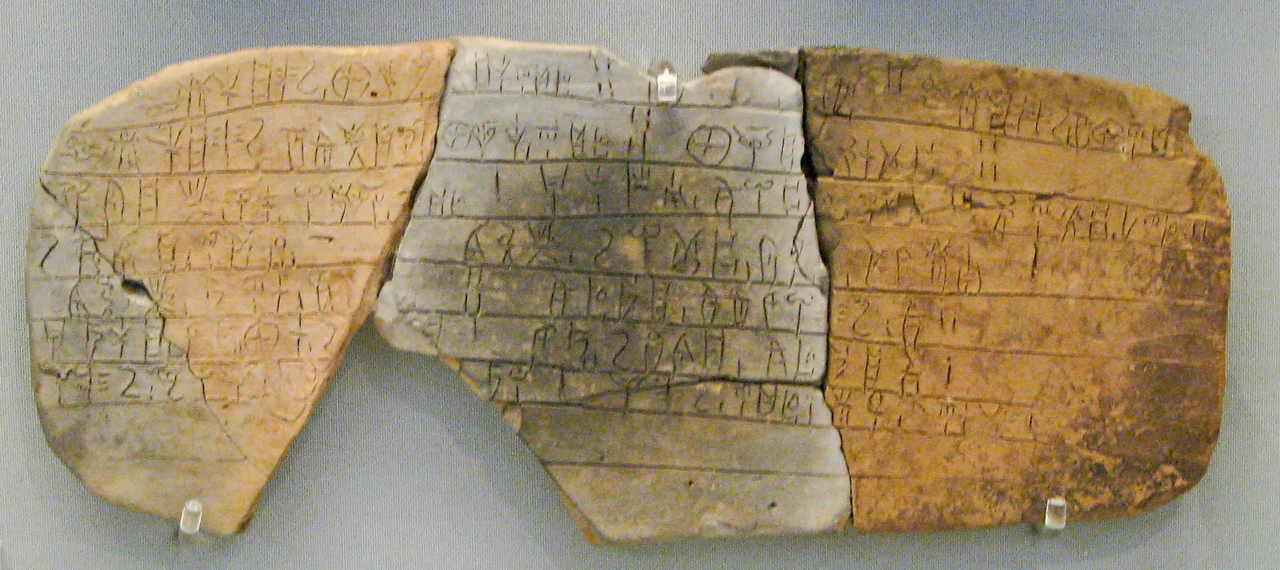
Make a note for British Museum tablet 291 using only its museum record. Fill repository, object number, material and named edition reference. Leave diplomatic line and translation fields blank until you consult the relevant edition. Explain why those fields remain blank.
Modern-language examples on this page clarify a linguistic pattern. They do not establish unattested sounds or forms for an ancient language. Follow the cited sources below and keep editorial readings separate from the surviving trace.