Three representations
A transliteration maps written signs or sign values into scholarly notation. A transcription may represent a proposed linguistic form, although disciplines use these terms differently. A phonetic transcription in IPA is a claim about sounds. An ancient spelling alone seldom licenses a complete IPA form. Write the convention and its source above every transliterated passage; retain the source-script sequence alongside it when encoding allows.
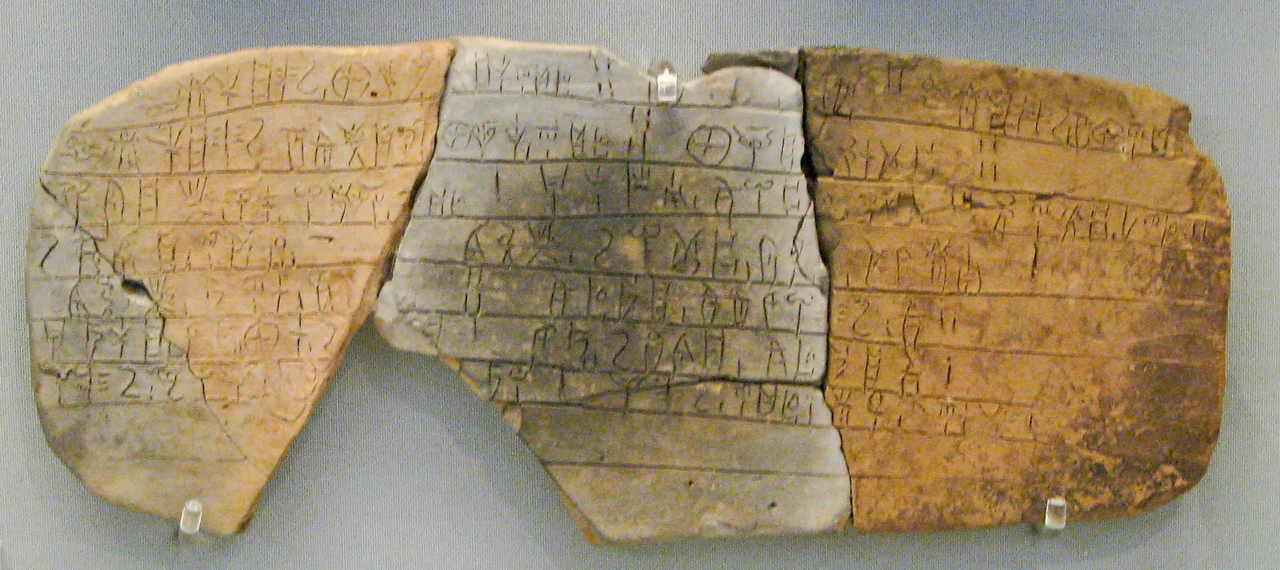
Oracc’s ATF Primer distinguishes Unicode transliteration from an older ASCII entry convention and marks determinatives, logograms and signs in defined ways. A conversion of ATF spelling is therefore not an independent observation of the tablet. Unicode encodes abstract characters, not the exact shape or damage of a stroke on an object.
Searchable text
Retain Unicode source text and transliteration as separate searchable fields where both exist. Normalize Unicode consistently for searching, but preserve original input and editorial diacritics. A browser font may make two sign forms look alike or hide a feature visible in a facsimile. A normalized word helps dictionary lookup, yet should point back to the exact written sequence and edition line.
Do not pronounce a transliteration as if each Latin letter were an IPA symbol. Identify which sound values are established, which are reconstructed, and which are classroom conventions. The IPA chart is a notation reference, not a recording of an ancient speaker.
Practice
In Oracc’s Primer, compare the Unicode and ASCII convention described near Example 1. Record one sign’s ATF form, any normalized word form supplied by a reliable resource, and a pronunciation claim only if that resource supports one. Label each line as graphic, editorial or phonological.
Modern-language examples on this page clarify a linguistic pattern. They do not establish unattested sounds or forms for an ancient language. Follow the cited sources below and keep editorial readings separate from the surviving trace.