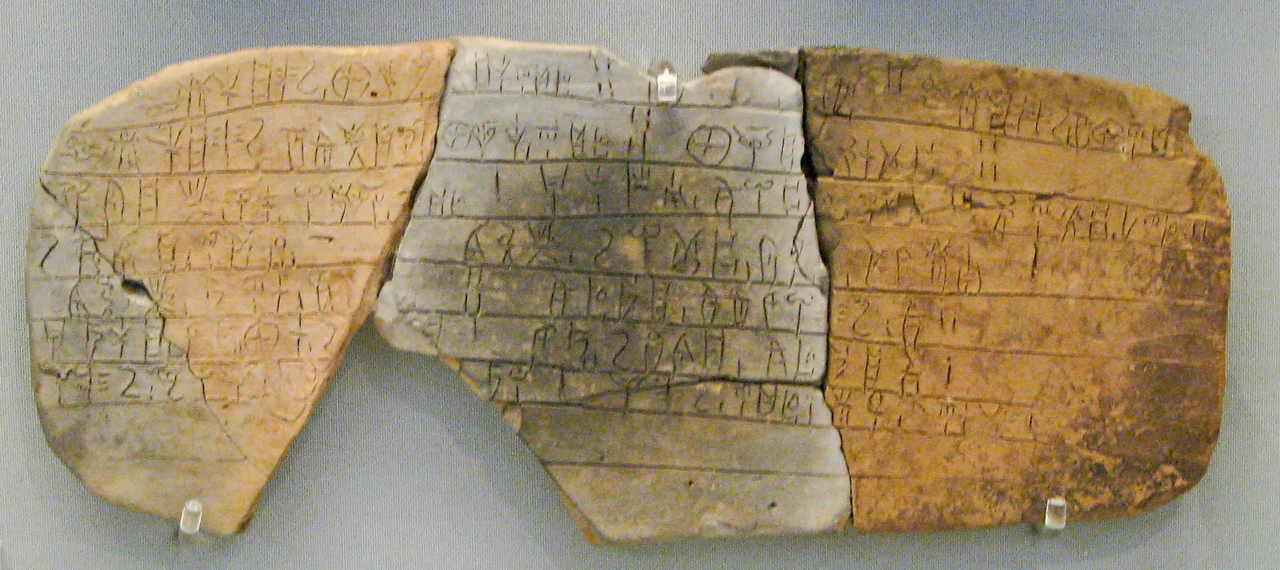
Choosing a grammar
Use a reference grammar that covers the language, period and variety of your text. Record its edition and the section cited. Find the grammar’s account of spelling conventions and whether its paradigm cells are directly attested, regularized or reconstructed. A neat table may combine forms that no single witness contains. Do not move a form from a later dialect into an earlier passage without an argument.
A paradigm aligns related forms across distinctions such as person, number, case, tense, aspect or voice. The distinctions are language-specific. An ending may express several categories at once, while one surface form may fit several cells. Read the whole form and stem alternations before hunting for a familiar suffix.
A paradigm worksheet
For each needed cell, record lemma, grammatical value, printed form, grammar page, and an attested token when supplied. Mark an unattested cell as unattested; label a constructed teaching form as such. If two printed forms differ, check spelling, period, dialect, stem class and editorial normalization.
For a new token, list every paradigm cell compatible with its form. Test candidates against surrounding words, agreement, syntax and date. The morphology exercise in Essentials of Linguistics models comparison across forms; its method is useful even when ancient data require extra editorial caution.
Practice
Use a published grammar for the language of your selected Oracc, Vindolanda or Codex Sinaiticus passage. Choose one attested token and copy its exact edition line. Record two possible analyses if the form allows them, the grammar section for each, and one contextual observation that favours or fails to distinguish them. Leave the result unresolved when the evidence does.
Modern-language examples on this page clarify a linguistic pattern. They do not establish unattested sounds or forms for an ancient language. Follow the cited sources below and keep editorial readings separate from the surviving trace.