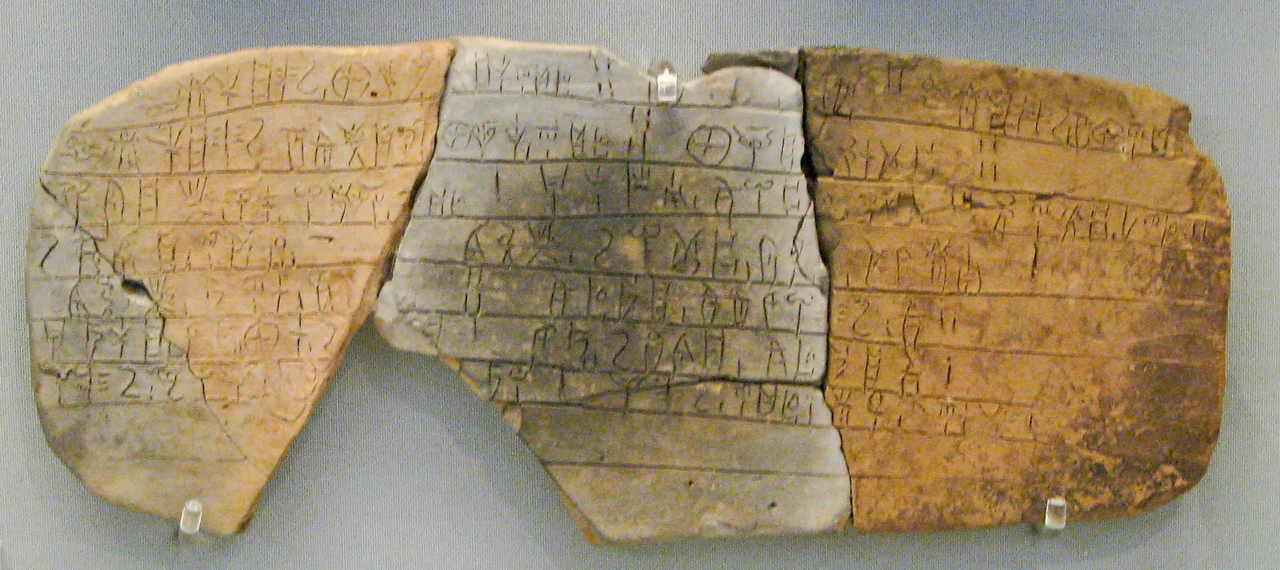
Marks that shorten text
A manuscript may contract a word, suspend it after its opening letters, use a special sign, or place a bar over letters. The convention depends on language, period and context; one horizontal mark does not have a universal expansion. Add MS 47678’s catalogue records Latin signs for per, pro, prae and est, as well as a superscript bar for m. Michigan’s Zenon exercise begins with a year sign that is not an ordinary letter. Such signs can carry meaning while remaining visually unlike a spelled-out modern word.
First transcribe the mark or a conventional symbol for it. Next give the expansion in a visibly separate layer. If two expansions fit, use surrounding grammar and same-manuscript parallels to choose, and mark the choice as editorial. A search index may include expanded forms, but the display should still let the reader see what was actually written.
A worked decision
Suppose a Latin manuscript has a small superscript bar above a final consonant. The Add MS 47678 record makes omission of m a plausible hypothesis in that particular hand; it does not license expanding every bar in every Latin document as m. Compare other bars on the same folio and test whether the candidate word’s case and syntax fit. If the mark occurs in a title or number, another function may be more likely. The sign’s location and repeated use are part of the evidence.
The TEI guidelines offer ways to distinguish abbreviation from expansion in encoded editions. A plain-language classroom equivalent is a three-column note: visible letters and mark; proposed full form; reason and confidence. That small discipline prevents an attractive expansion from masquerading as a direct reading.
Practice
Using the British Library description of Add MS 47678, prepare entries for two stated abbreviation types. Label what the record reports and what an image would still need to confirm. Then open Michigan’s Zenon line 1 and explain why its initial year sign should not be copied as the Latin letter L in a diplomatic transcription.
Modern-language examples on this page clarify a linguistic pattern. They do not establish unattested sounds or forms for an ancient language. Follow the cited sources below and keep editorial readings separate from the surviving trace.