What a correction can show
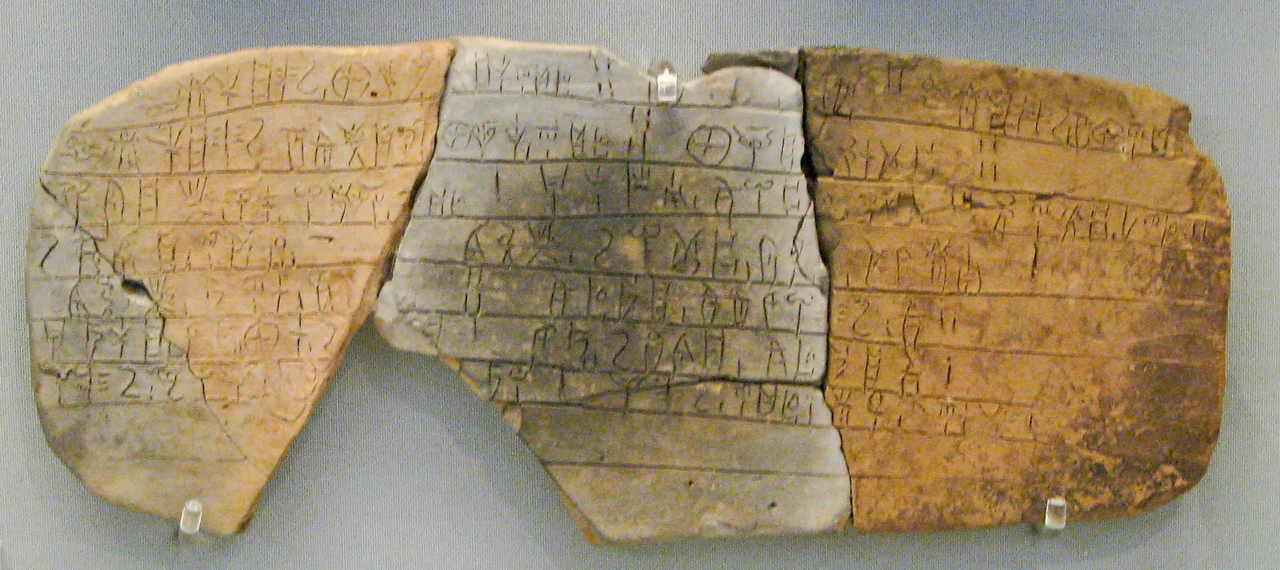
Scribes erase, scrape, strike through, dot, overwrite or insert text in margins and between lines. A correction may have been made at once by the first writer, after checking an exemplar, or much later by another person. Its position in the sequence cannot be inferred merely because it appears above the line. Compare ink, pen width, letterforms, spacing and the relation of strokes; ask whether the original reading remains visible. Record both the earlier and later states where possible.
Michigan’s P46 lesson shows actual corrections and the difficulty of identifying deleted letters on worn papyrus. The International Dunhuang Programme gives a Chinese manuscript example in which a character is blotted out and a replacement written beside it; its image-processing study explains why such marks can be mistaken for annotations. The Israel Antiquities Authority introduces scribal additions in the scrolls. These are distinct practices, and each object needs its own account.
Textual consequences
A normalized edition often presents only the corrected reading. That may be appropriate for reading the text, but it hides evidence about copying, review and later use. Keep a note of the first state, the correction sign, replacement and likely hand. Do not call a variant “an error” until the intended text and the intervention are argued. A corrector may preserve a variant reading rather than simply repair an obvious slip.
For a complex page, make a layer diagram: main writing, later additions, damage and modern restoration. The order matters. If a tear interrupts both main text and an addition, it cannot by itself distinguish their relative dates; if an addition rides over a scrape, it was made after that alteration. Record only such relative claims that the surface supports.
Practice
Open Michigan’s P46 corrections lesson. Select one illustrated correction and record the original trace, deletion method, added reading, and any evidence about the correcting hand. Compare your result with the site’s explanation. Then describe how a one-line normalized transcription would conceal the sequence of actions.
Modern-language examples on this page clarify a linguistic pattern. They do not establish unattested sounds or forms for an ancient language. Follow the cited sources below and keep editorial readings separate from the surviving trace.