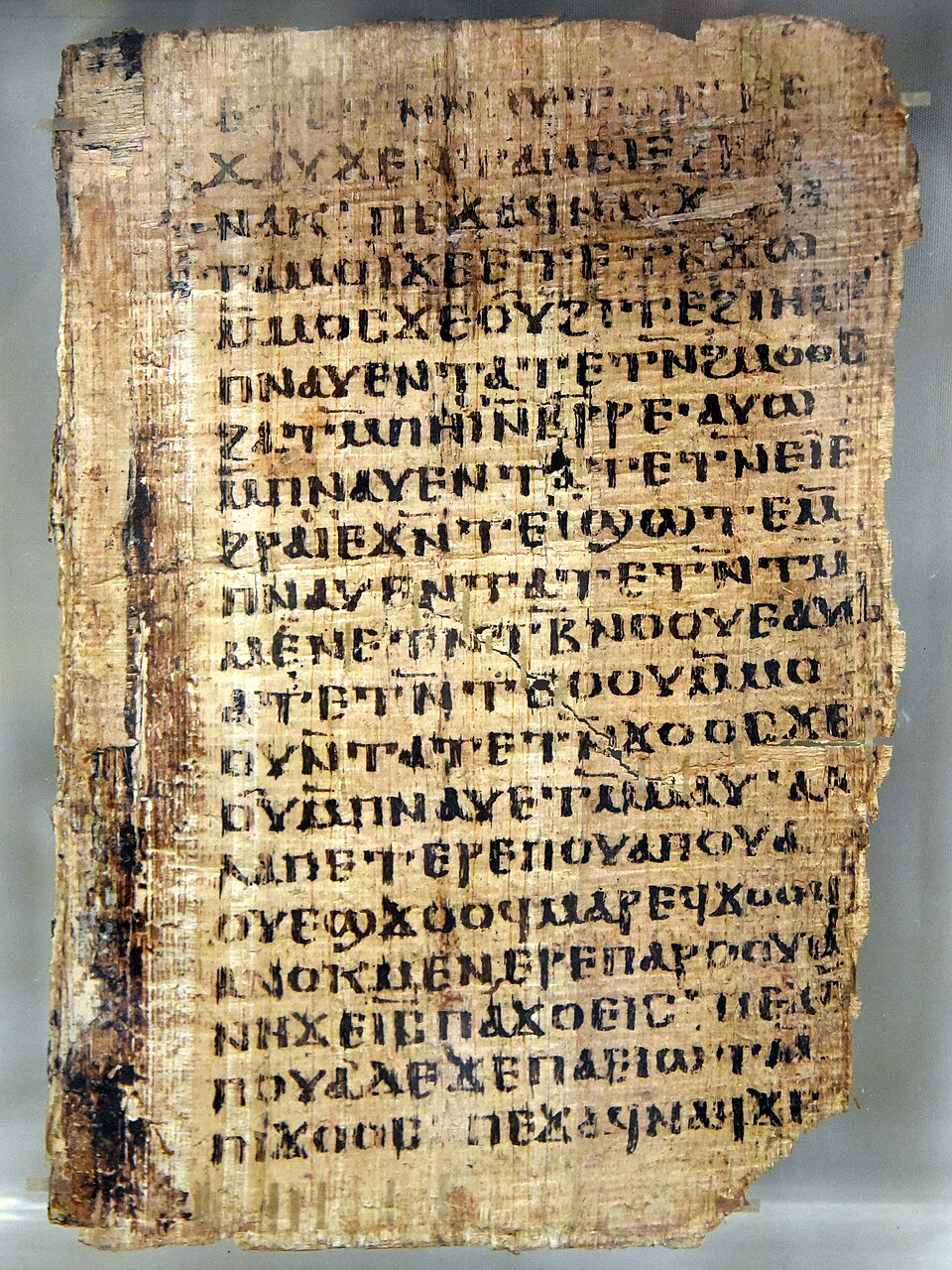
Three states of evidence
A missing surface has no visible letters at that position. A damaged surface can retain traces whose identity is uncertain. A restoration supplies text where evidence is absent or unreadable, usually from space, grammar, parallels or formula. The confidence of a restoration is not the same thing as direct visibility. Record approximately how much is lost and whether a proposed completion fits the physical space.
The EpiDoc comparison of Oracc ATF shows square brackets for lost signs, a following hash sign for a damaged sign, and a question mark within brackets for an uncertain restoration. Papyri.info’s conventions use square brackets for lost text restored by an editor and dotted letters for visible but uncertain letters. The two systems are related in purpose but have different details. Always read the edition’s own key.
An ATF example
The linked EpiDoc comparison, coauthored by Assyriologist Eleanor Robson, places Oracc ATF beside conventional display and EpiDoc notation. Its rows distinguish hash-marked damage, square-bracketed loss, a bracketed restoration, and an uncertain restoration marked by a question mark. Compare those rows before applying any symbols to an edition; the typed examples explain editorial categories and are not facsimiles of wedges.
Practice: copy two notation rows from the linked comparison, identify each mark’s evidence claim, and state what an object image would need to show to strengthen the reading.
Modern-language examples on this page clarify a linguistic pattern. They do not establish unattested sounds or forms for an ancient language. Follow the cited sources below and keep editorial readings separate from the surviving trace.