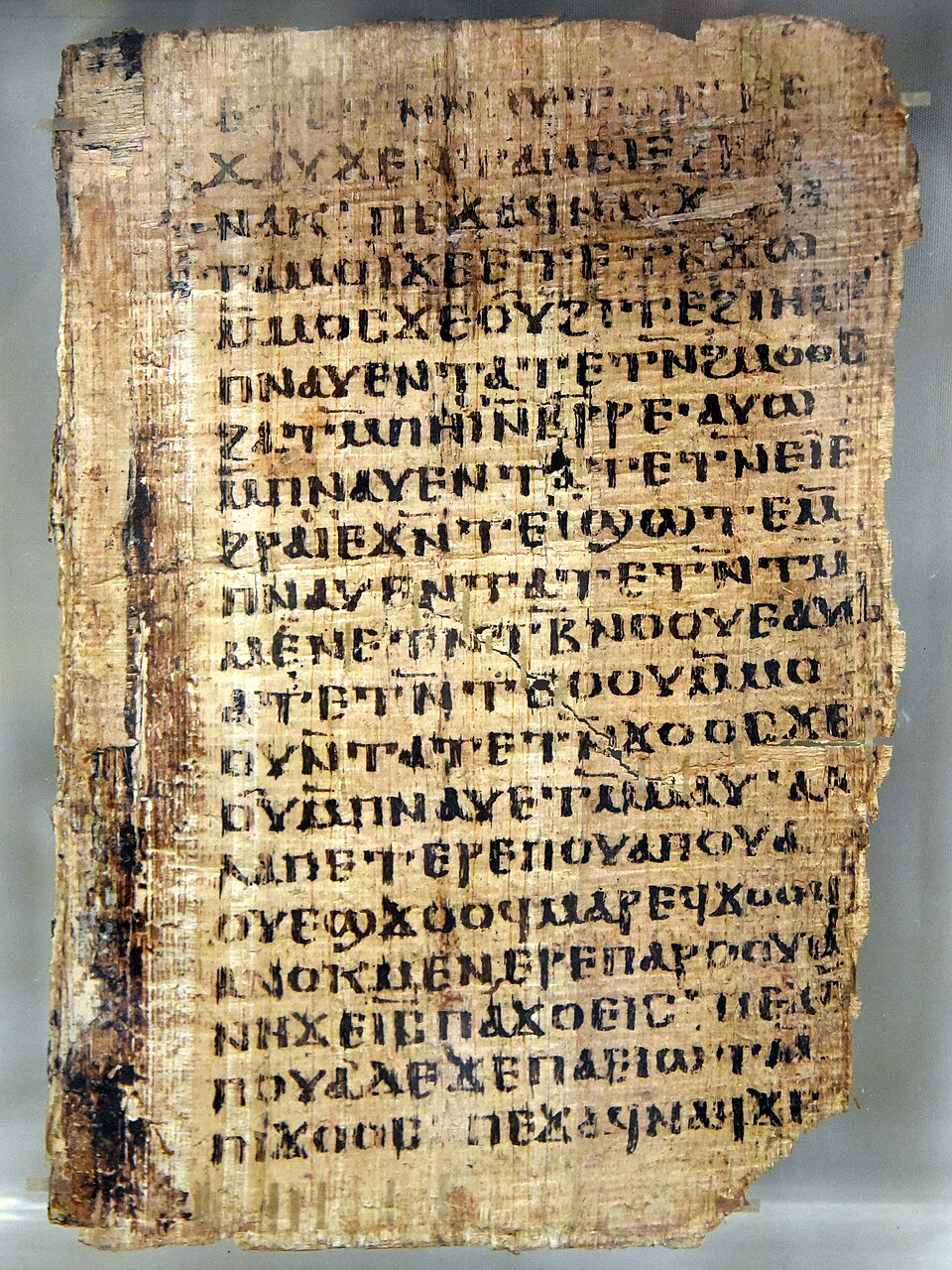
A hypothesis about copying
A stemma is a model of relationships among textual witnesses or their textual states. Shared distinctive innovations, especially errors unlikely to arise twice independently, can support a common ancestor. Agreement on a common or obvious reading is weaker evidence. A reconstructed node represents a lost intermediary proposed by the model; it is not a discovered manuscript. The archetype of a surviving branch need not be the author’s original or the earliest form of the work.
TEI’s textual-transmission example distinguishes extant, lost and hypothetical nodes. Study its labelled relationships and ask which connections are grounded in attested variants and which require a proposed intermediary. One diagram is not proof: test it against other independent variants and the dates of the objects.
When a tree fails
A scribe may consult more than one exemplar or correct a copy against another. This mixed transmission, often called contamination, can make a simple branching tree misleading. An oral tradition can likewise generate related forms without a one-to-one copying line. TEI’s graph documentation explicitly allows a contamination link in a stemma. Digital collation can expose patterns, but its alignment and normalization rules affect the pattern seen.
Practice: draw two possible explanations for a reading shared by B and C: common ancestor and independent change. Add a fourth witness whose reading would help discriminate between them. State what would remain uncertain even after the extra witness.
Modern-language examples on this page clarify a linguistic pattern. They do not establish unattested sounds or forms for an ancient language. Follow the cited sources below and keep editorial readings separate from the surviving trace.