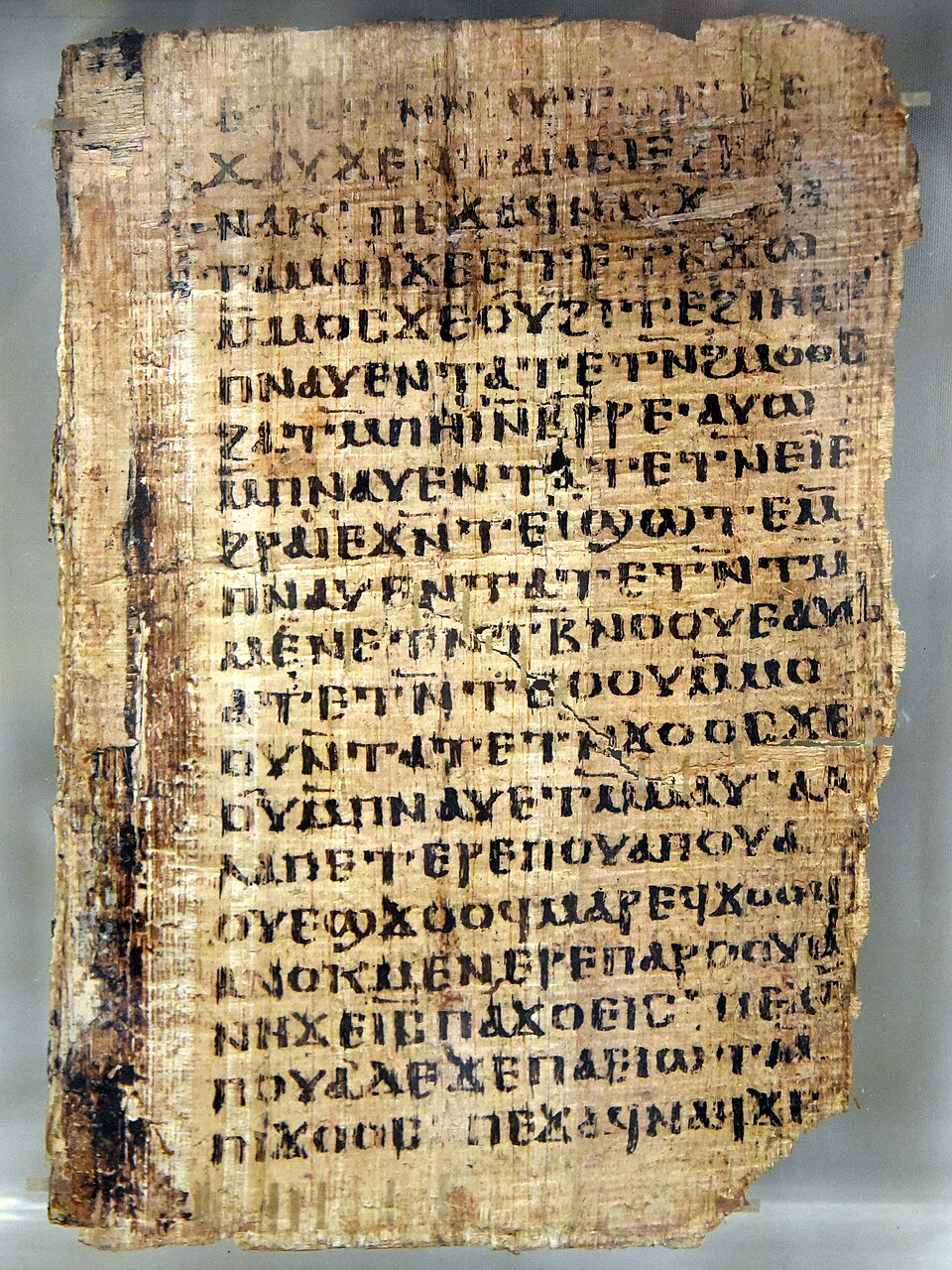
Structure behind the screen
TEI can encode source description, transcriptional features such as gaps and supplied text, and apparatus readings tied to witnesses. EpiDoc adapts TEI practice for inscriptions and papyri. IIIF Presentation API can order digital pages as Canvases and link image regions, transcriptions and other annotations. These standards provide ways to expose evidence; using the names alone does not guarantee a careful edition.
A reader should be able to reach the specific witness, surface and line from an edited reading. Preserve original-script Unicode and transliteration in separate searchable fields. Record who supplied a restoration, what image or parallel supported it, and which edition version introduced it. For a digital image, check the repository’s item-specific reuse terms before republishing it. Links to a public image do not grant a blanket licence for an edition or dataset.
A durable reference
Cite creator or editor, title, repository or publisher, witness identifier, passage or line, edition version or access date, and a stable URL where supplied. A dynamic search result is a starting point; the object and edition identifiers are the durable evidence trail. If a project updates its reading, preserve the version you used so a later student can understand a changed result.
Practice: take one digital edition and trace a normalized word to its diplomatic line and image region. Note which links work, which layers are available, and which editorial decision remains unexplained.
Modern-language examples on this page clarify a linguistic pattern. They do not establish unattested sounds or forms for an ancient language. Follow the cited sources below and keep editorial readings separate from the surviving trace.