Three kinds of difference
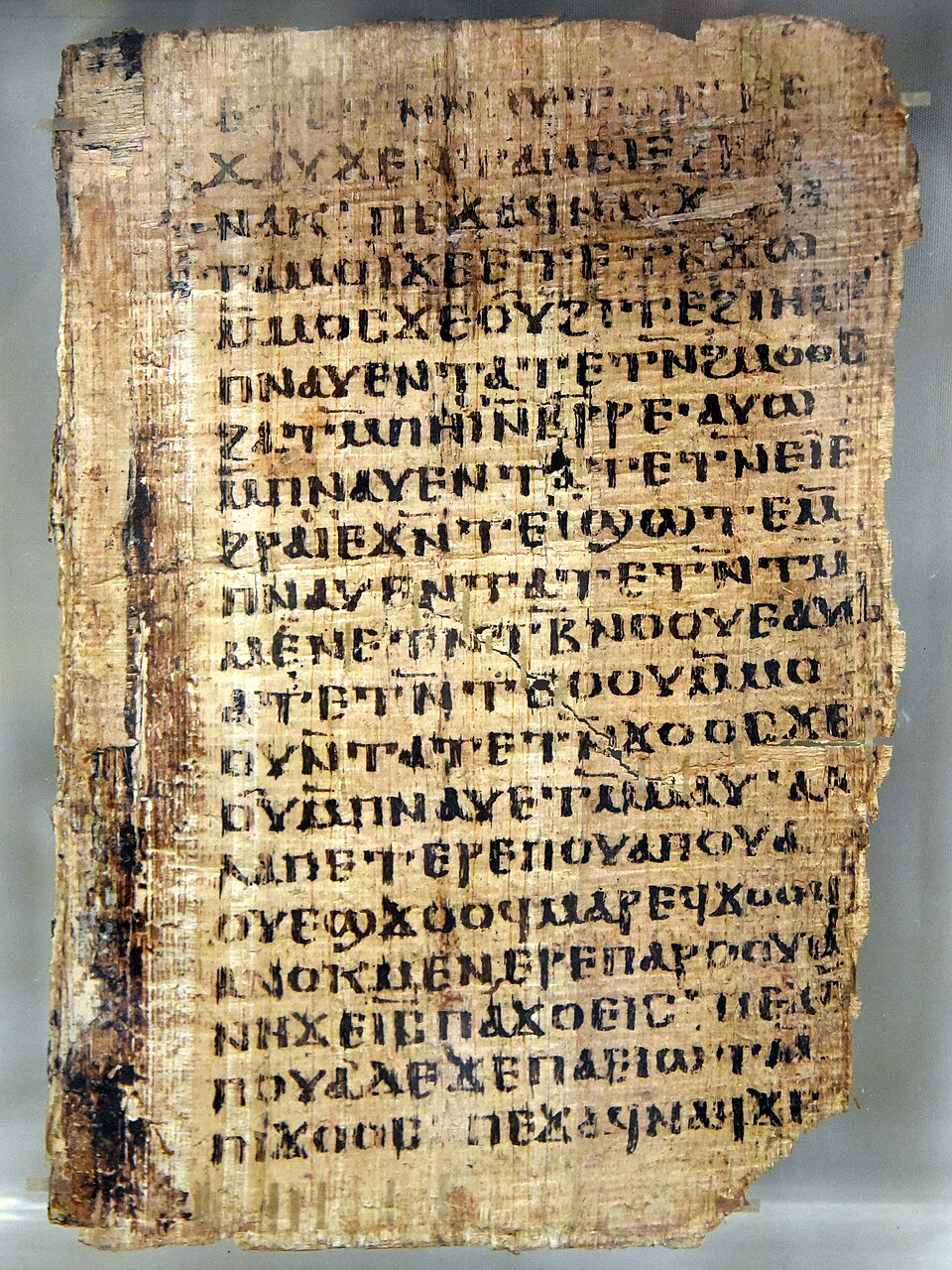
Two translations may differ because their editors printed different source readings, because they interpret the same word or grammar differently, or because they choose different English phrasing. Compare the source lines first. If one translation renders a bracketed restoration, its note should preserve the fact that the word is supplied. If a word is visible but uncertain, a translator can indicate that uncertainty without treating it as a missing word.
The TEI Wife of Bath example makes the first distinction concrete: an English rendering based on Lansdowne’s first word must be checked against that reading, while a rendering based on Ellesmere starts from another attested form. Any modern English phrasing remains a translator’s decision. The apparatus tells us what its edited witness transcriptions report; it does not supply an automatic translation.
A translation note
Cite the edited source passage, explain the significant variant or restoration, give a close rendering of each live alternative, and then choose readable wording. Do not count a translated text as independent evidence for the reading it follows. A translation can be a valuable scholarly argument, but its language is another layer.
Practice: find a translated passage with an apparatus note. Write one sentence naming the source reading and one naming the translator’s English decision.
Modern-language examples on this page clarify a linguistic pattern. They do not establish unattested sounds or forms for an ancient language. Follow the cited sources below and keep editorial readings separate from the surviving trace.