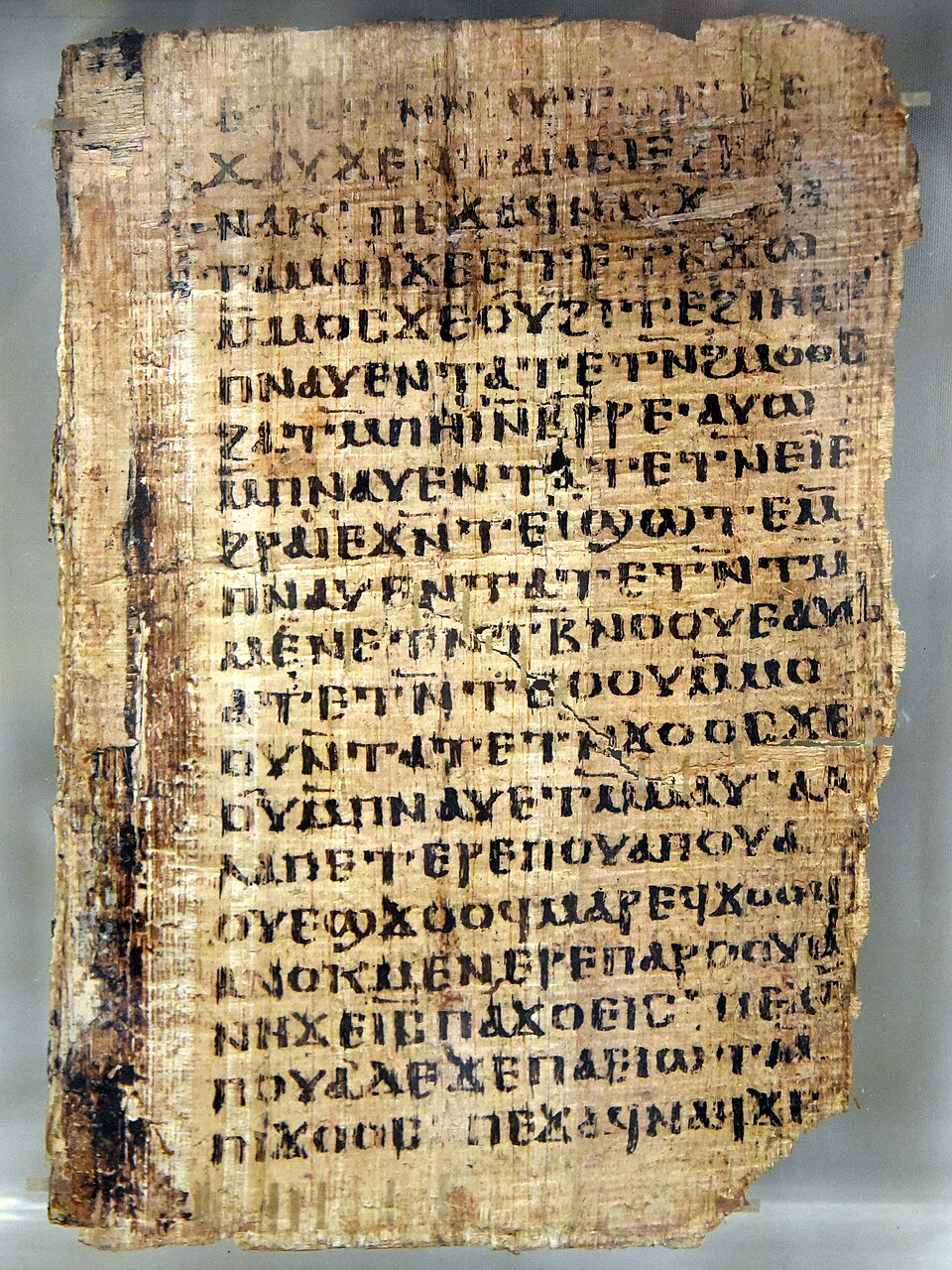
The evidence chain
Start with the object or image: surface, side, column, line, break, abrasion, erasure and later writing. A diplomatic transcription reports the editor’s reading of those traces as closely as its conventions permit. Transliteration changes writing system; normalization may regularize spelling or divide words; translation interprets a linguistic reading. Every step can be useful, but each adds decisions. Keep the original Unicode text and any transliteration in separate fields so a search of one does not silently overwrite the other.
TEI distinguishes damage, text that can be seen but cannot securely be read, gaps, and text supplied by an editor. These are different claims about the surface. An elegant translation can conceal all four unless the edition or note carries the uncertainty forward.
A six-line note
For one passage, make six labelled rows: object and location; visible trace or image region; diplomatic reading; normalized reading; grammatical analysis; translation. Add a seventh row for uncertainty and alternative readings. When the image is poor, the first two rows can say so. When an edition has no normalized layer, leave that row blank rather than supplying a form without evidence.
Practice: use the linked EpiDoc or papyri.info documentation to identify one sign for damage or uncertainty. Write the physical observation and the editorial conclusion in different rows.
Modern-language examples on this page clarify a linguistic pattern. They do not establish unattested sounds or forms for an ancient language. Follow the cited sources below and keep editorial readings separate from the surviving trace.