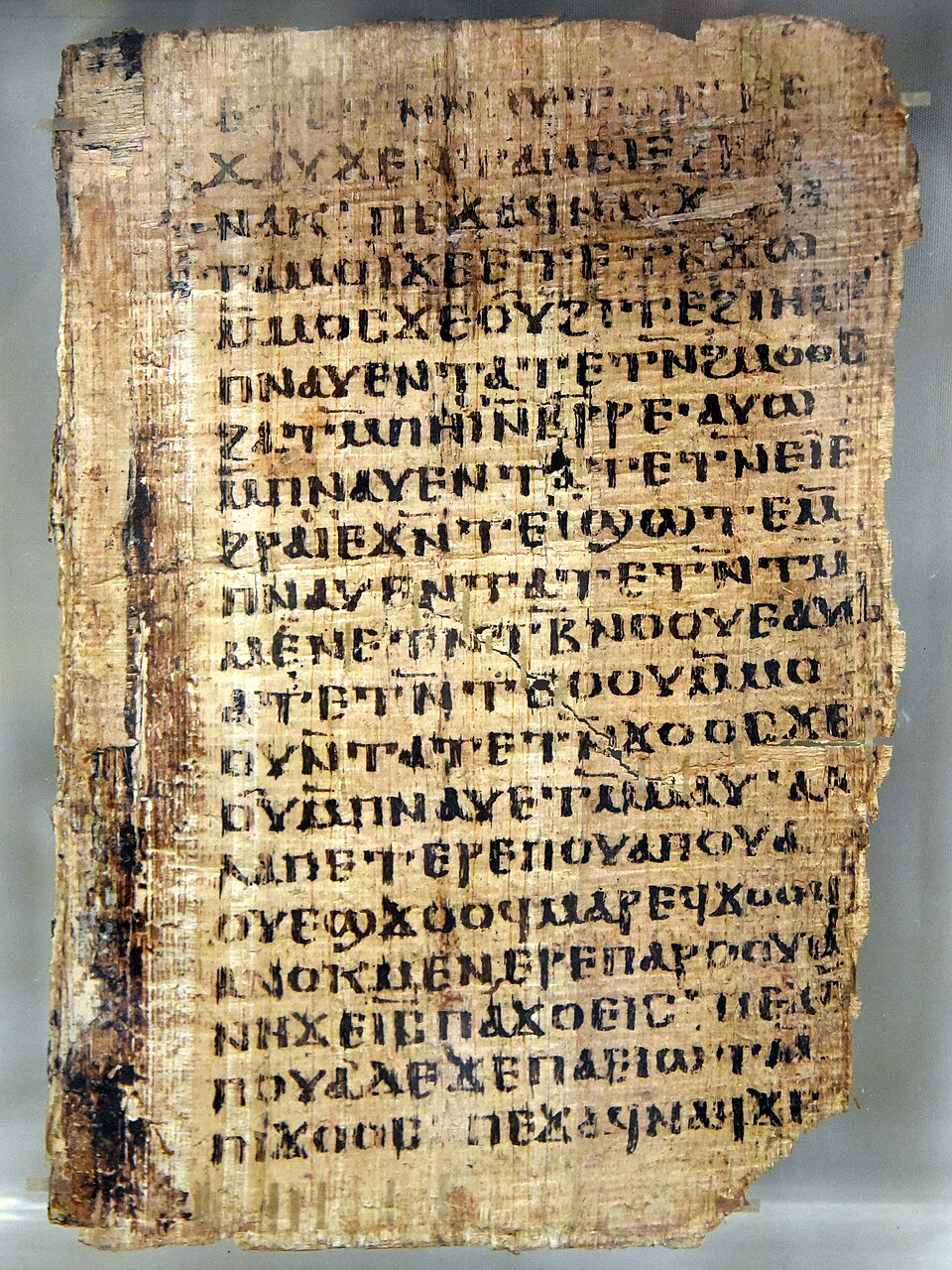
The unit that survives
A fragment can preserve only part of a line or leaf. Its shape, fibre direction, ruling, margins, ink, hand, damage and content can all help place it. A join is strongest when material edges fit and writing or ruling continues across them; a parallel phrase alone may support textual association without proving physical adjacency. Record whether the join is physical, codicological, textual or conjectural.
An edition may print fragments in a reading sequence that is useful but uncertain. Keep each fragment’s repository identifier and original line numbering alongside the assembled order. The TEI critical-apparatus guidelines explicitly provide ways to indicate the coverage of fragmentary witnesses. A missing witness at a passage is not evidence that it omitted the passage.
An honest reconstruction
The International Dunhuang Programme links catalogues and reports for dispersed manuscripts and fragments. Choose a catalogue entry that explicitly calls an item a fragment and record its identifier, material, preserved extent and any proposed text title. Then ask whether the identification rests on surviving words, a parallel text, material features or an earlier catalogue. Do not turn a suggested textual association into a physical join without a published argument for the join.
Practice: use the linked IDP references to find the item record and write down exactly which observations and inferences the catalogue states. Preserve the catalogue’s uncertainty.
Modern-language examples on this page clarify a linguistic pattern. They do not establish unattested sounds or forms for an ancient language. Follow the cited sources below and keep editorial readings separate from the surviving trace.