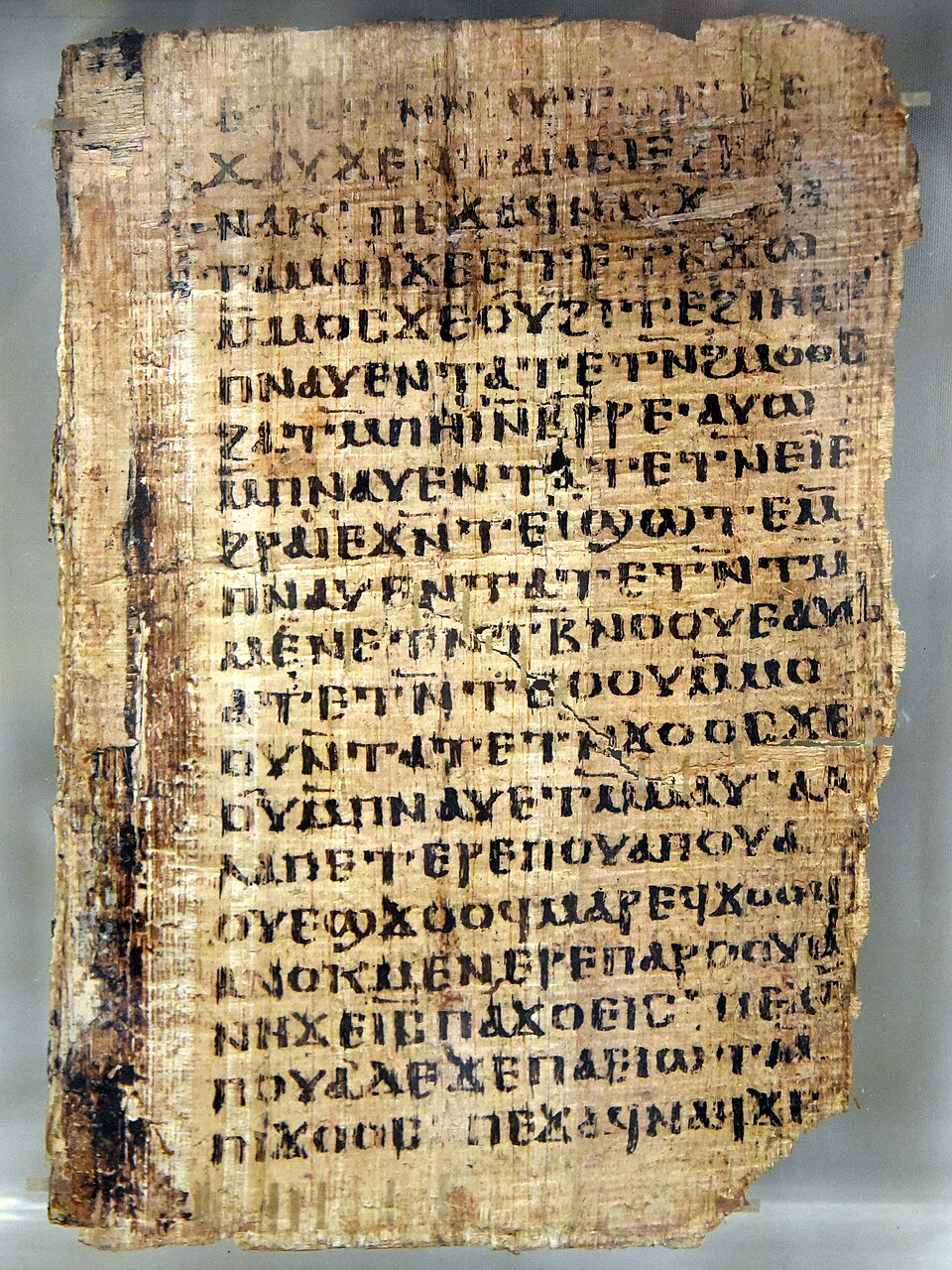
What collation does
Collation aligns corresponding places in two or more witnesses and records their readings. A variant can be a different word, spelling, omission, addition, order or division. First verify that the witnesses are aligned at the same passage and that the difference is in the source rather than in modern transcription. Then ask whether it affects grammar, meaning or the history of transmission. A spelling variant can matter for scribal practice even when a translation does not change.
A witness reading is a fact about that witness as transcribed; the cause of the difference is an argument. Do not label every unexpected form a mistake. A scribe might copy another exemplar, correct from memory, update a form, or preserve a different version. Homer Multitext foregrounds multiform witnesses of epic rather than assuming every difference is corruption of one fixed performance.
A documented collation
TEI’s critical-apparatus chapter compares the opening of Chaucer’s Wife of Bath’s Prologue in named manuscripts: Ellesmere, Hengwrt, Lansdowne 851 and Rawlinson Poetic 149. Its sample entry distinguishes the first-word readings “Experience,” “Experiment” and “Eryment.” The differing forms are readings attributed to specific witnesses in that TEI example. They should be checked against its witness list and, for a claim about a pen stroke, the manuscript image.
Practice: open the TEI example, place each siglum above its reading, and ask which differences are spelling, word choice or uncertain transcription. Record the shelfmark and edition policy before drawing a historical conclusion.
| Witness | Reading | Reading check |
|---|---|---|
| Ellesmere (El) | Experience | Compare with Hengwrt in the expanded TEI example. |
| Lansdowne 851 (La) | Experiment | Check how TEI classifies the variant. |
| Rawlinson Poetic 149 (Ra2) | Eryment | Check the scope and completeness of the sample apparatus. |
Modern-language examples on this page clarify a linguistic pattern. They do not establish unattested sounds or forms for an ancient language. Follow the cited sources below and keep editorial readings separate from the surviving trace.