Three different things
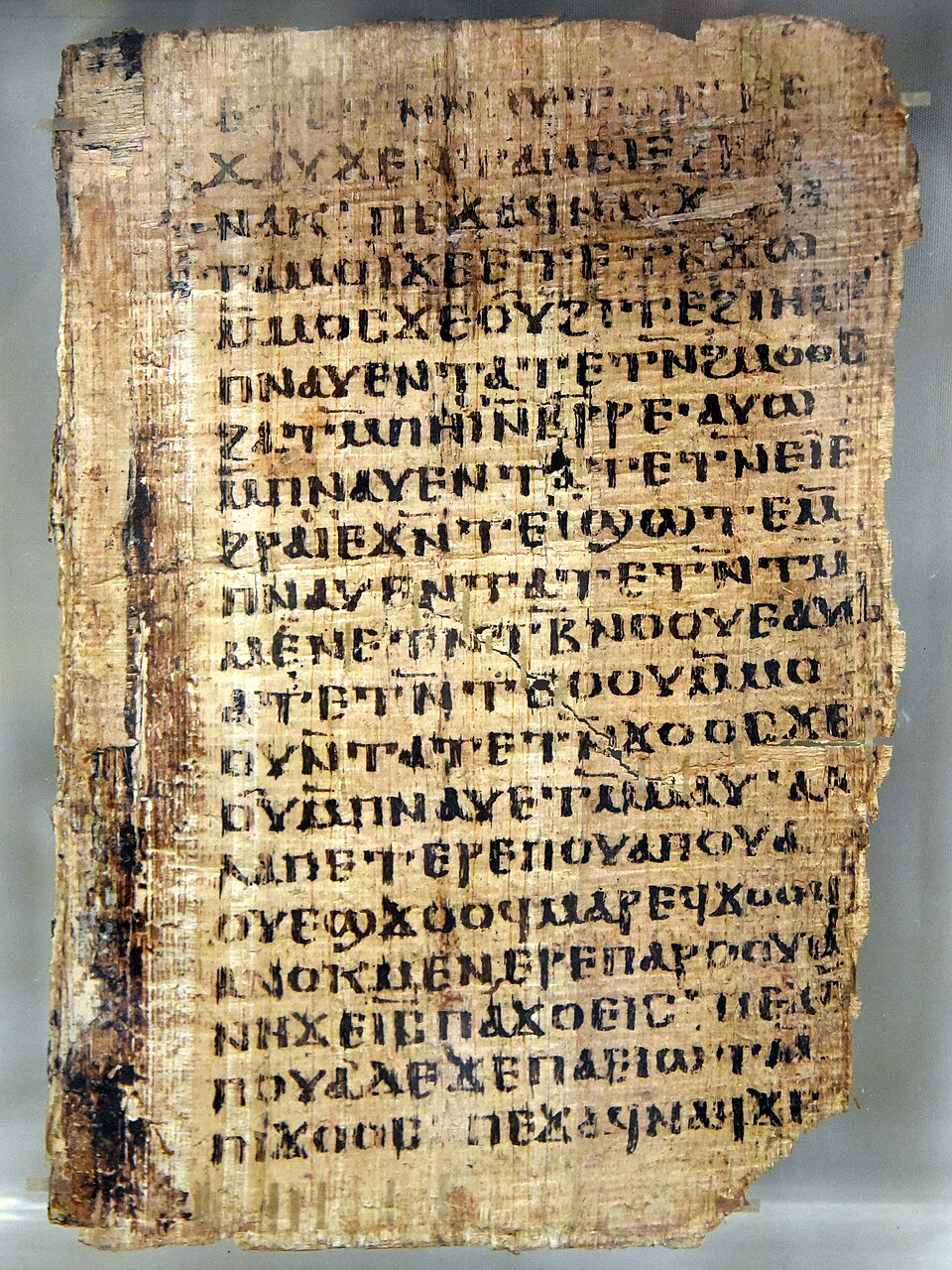
A work is the intellectual composition identified by a title or tradition. A witness is a particular source that preserves some of its text: a manuscript, tablet, inscription, papyrus, early print, quotation or recording. An edition is an accountable presentation of evidence, produced through selection, transcription and explanation. One codex may carry several works; one work may survive in many witnesses; one fragment may preserve only a few lines. Even the phrase “the text” needs a referent: a particular witness, an editor’s reading, or a hypothesized earlier state.
The Homer Multitext project publishes images and transcriptions of documents carrying Homeric poetry, including papyri and medieval manuscripts. Those documents do not become one physical object because they preserve the Iliad. A printed Iliad is also not itself an ancient witness. Ask which object supports a quoted line and which editor chose the form on the page.
A traceable citation
Record the work and passage, the witness identifier and location when available, and the edition or digital transcription with its editor and version. A repository shelfmark identifies an object; an edition citation identifies the representation you used. For a quotation from a translation, add its translator. If the image is inaccessible, say that the reading was checked against the edition rather than claiming direct inspection.
Practice: label each item in “Iliad 1.1,” “Venetus A, folio and column,” and “a modern edited line” as work location, witness location, or edition. Then find an actual project record and replace the generic labels with its precise identifiers.
Modern-language examples on this page clarify a linguistic pattern. They do not establish unattested sounds or forms for an ancient language. Follow the cited sources below and keep editorial readings separate from the surviving trace.