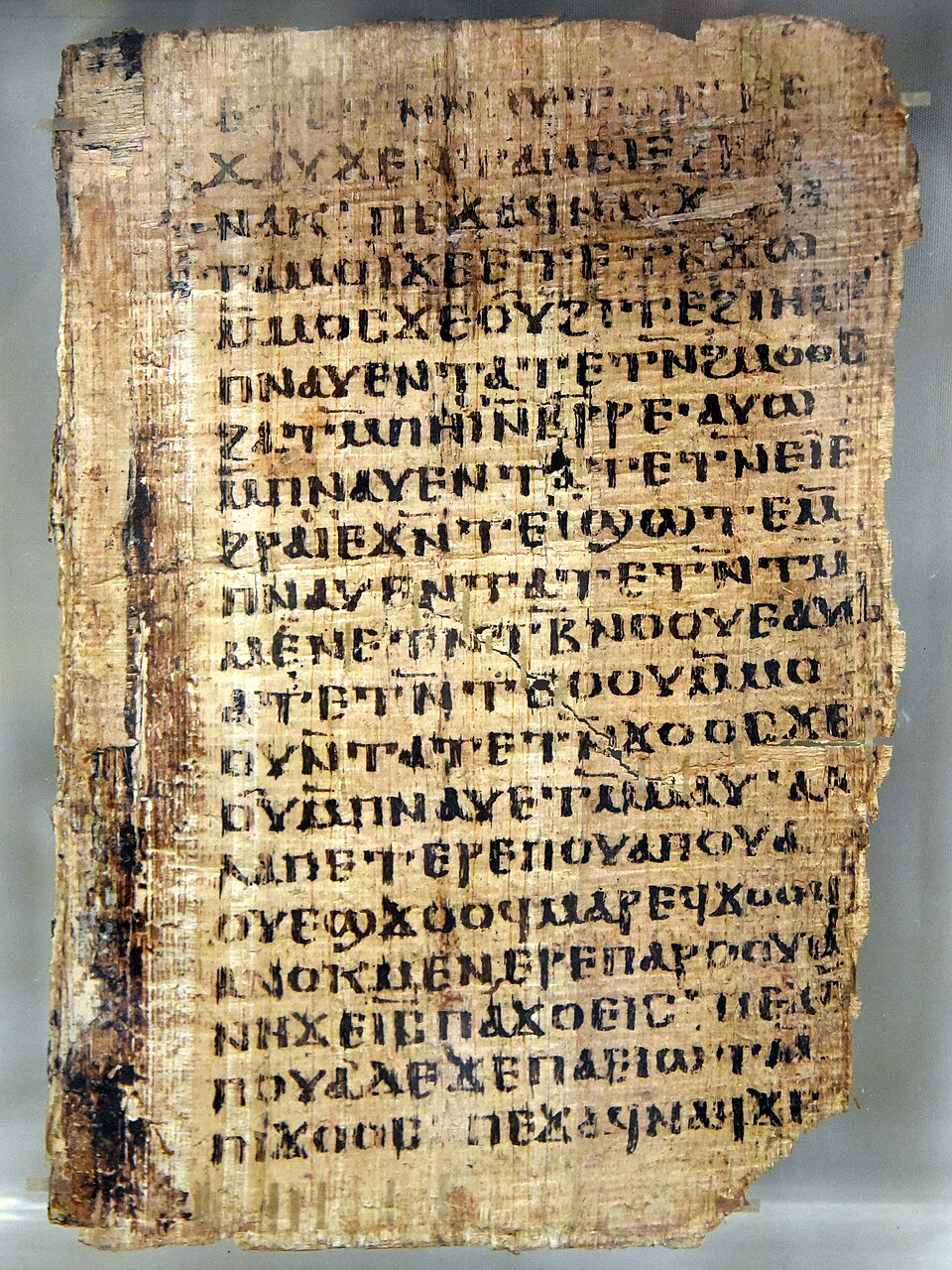
Several dates and places
A text can be composed at one time, copied centuries later, repaired later still, and acquired by a repository much later. A colophon may date a copying event; script comparison suggests a range; archaeological context may date deposition rather than composition. These methods can conflict or have different precision. Record both the evidence and the inference instead of turning a range into an exact year.
A findspot is where an object was recovered, not automatically where its text was composed or where its language was spoken. Provenance can mean origin, route of ownership, or archaeological context; specify which sense you use. TEI manuscript descriptions distinguish identifiers, physical description and history, including origin and provenance.
A manuscript history
The International Dunhuang Programme brings together records from dispersed collections. A modern collection location may be far from a manuscript’s find context, and a catalogue may revise its identification. Follow the object identifier across records and note where a claim is inferred rather than documented. Do not infer a whole community’s language from the contents of one mixed collection.
Practice: make five dated lines for one object: composition estimate, surviving copy, correction, discovery or acquisition, and modern edition. Leave dates blank when the source does.
Modern-language examples on this page clarify a linguistic pattern. They do not establish unattested sounds or forms for an ancient language. Follow the cited sources below and keep editorial readings separate from the surviving trace.