The chain of survival
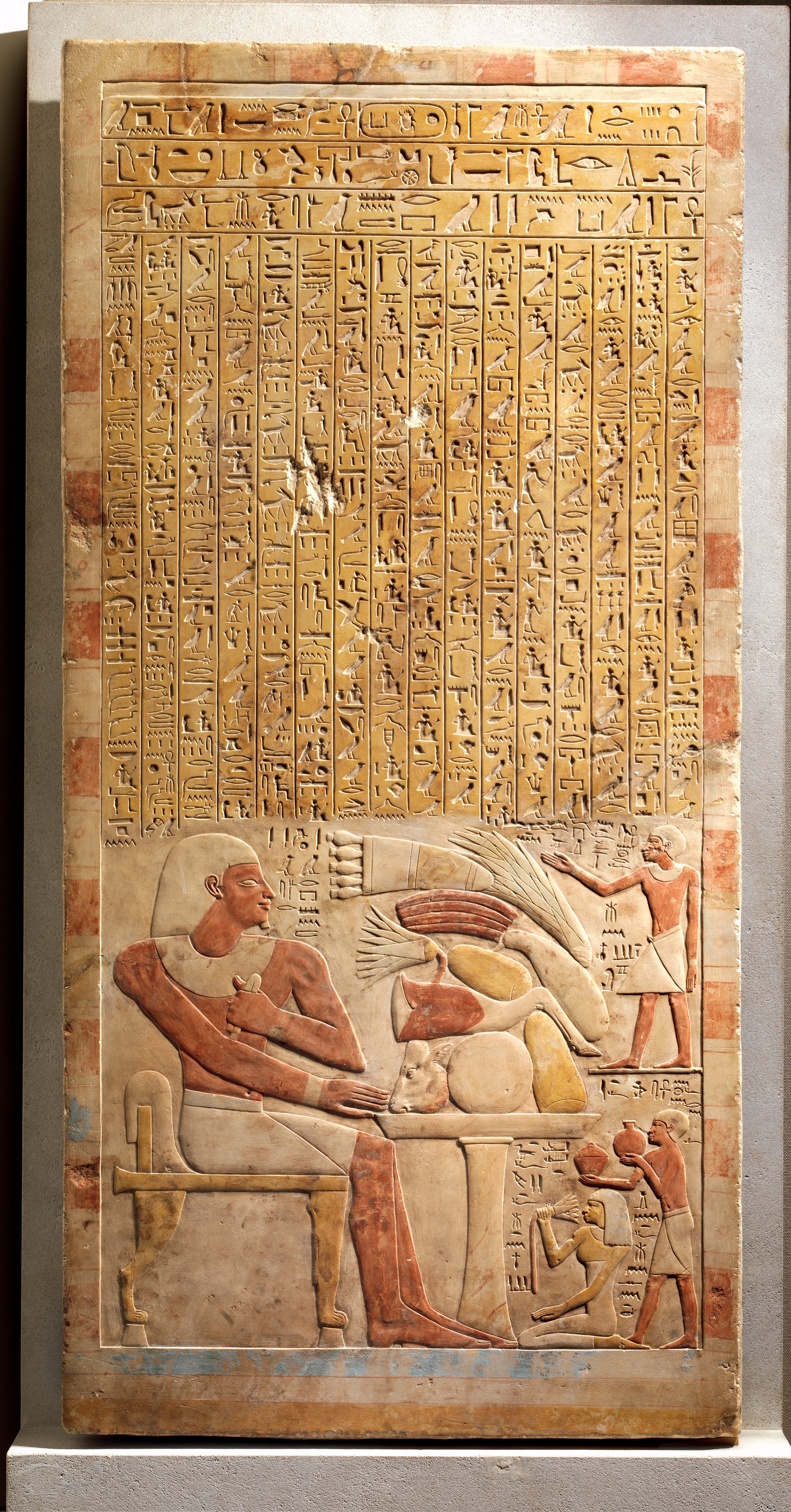
A past utterance reaches a modern learner only after a chain of selection: it had to be written; its support had to survive; the object had to be found, kept, identified, edited and made accessible. At each stage some genres and speakers are lost disproportionately. Excavation, collecting and digitization also have histories. “No attestation” means no example is known in the defined archive and search layer, not that no one ever used the form.
DCCLT’s rich school-tablet record is valuable precisely because it documents teaching; it is not a balanced sample of Mesopotamian domestic speech. Yaxchilan Lintel 24 survives as a carved royal monument, not as a complete record of Maya conversations. Cave 17 at Dunhuang preserves an unusual manuscript assemblage spanning languages and genres. None should be reduced to “the language of the people” without a defensible sampling argument.
Collecting and digitization
A digital corpus is a further selection from surviving objects. The International Dunhuang Programme describes ongoing projects that add catalogued manuscripts and images. New online availability can change search results even when no new ancient evidence has been excavated. Record repository, shelfmark, edition and access date for claims made from a changing database. A digitized photograph and a transcription can each reveal different things; neither substitutes for the other in every question.
A digitized fragment can omit the reverse, edge, color variation or neighboring leaves if capture or display is incomplete. Institutional descriptions may later be revised. Treat search counts as provisional and inspect object records. Likewise, a museum can hold a copy made after the ancient work, not necessarily an original from the date of composition. The witness’s date matters.
Negative evidence
Absence becomes informative when the corpus’s coverage is well defined and the missing form would be expected to occur in it. A formula missing from a nearly complete sequence of one inscription type is stronger evidence than a form missing from a handful of disconnected fragments. State the denominator, dates, genres, alternate spellings and damage before using absence in a historical argument.
Practice: search for an office title in a corpus, then read the corpus description. Report how many distinct objects, not just search hits, contain the term; which periods and genres are represented; whether restorations count; and what remains unavailable. Write the conclusion with its scope in the first sentence.
Modern-language examples on this page clarify a linguistic pattern. They do not establish unattested sounds or forms for an ancient language. Follow the cited sources below and keep editorial readings separate from the surviving trace.