The question
Every surviving text arose from a particular activity. Someone prepared a surface, selected a script and register, composed or copied words, and placed or kept the result somewhere. Cultural history helps explain those choices. It does not replace grammatical analysis. The label “religious” is not a translation of an unfamiliar word; the label “royal” is not proof that a king personally composed an inscription. First identify the object and the text, then ask which practices the evidence actually documents.
Separate four levels in a reading note: the visible inscription or manuscript; its edited reading; a historically documented setting; and your explanation of why that setting matters. A museum object record can identify material, provenance, date and iconography. A critical edition may offer a transcription and apparatus. A historian can then argue about commissioner or audience. These claims have different evidential status even if a website places them in one caption.
Objects and language
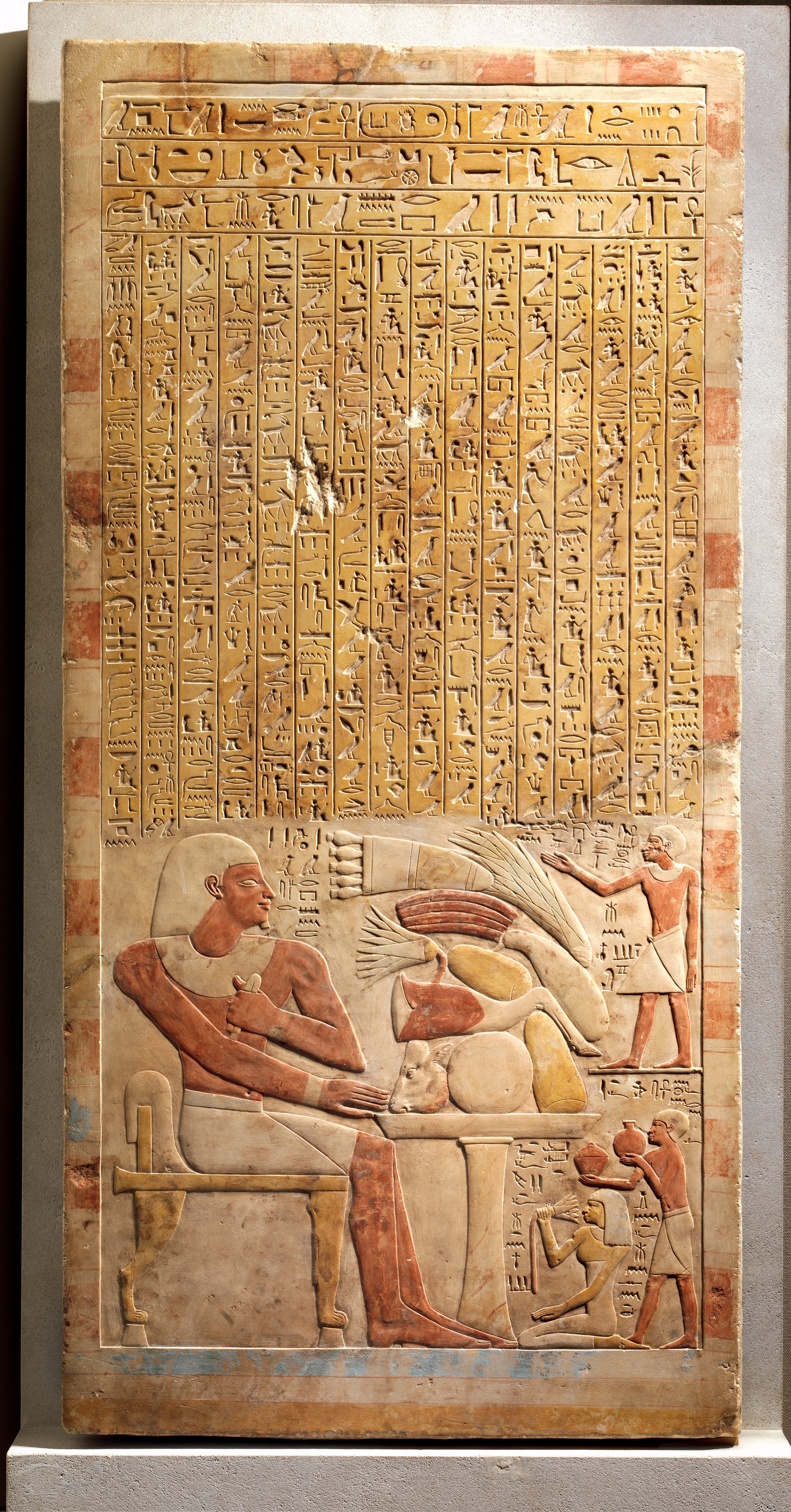
Compare three attested settings. The Digital Corpus of Cuneiform Lexical Texts describes school tablets and scholarly lists in Mesopotamia. The British Museum identifies the Rosetta Stone as a priestly decree concerning Ptolemy V. Its description of Yaxchilan Lintel 24 identifies a dated royal ritual scene and associated glyphs. Each object establishes a different slice of language: trained lists, official proclamation, and monumental record. None represents all everyday speech of its region.
The physical setting constrains interpretation. A lintel above a doorway, a stone stela meant for public display, and a clay exercise handled by a pupil have different scales, durability and likely readership. It is a reasonable inference that these factors shaped composition and survival; it is not a licence to invent what a passer-by, priest or pupil privately thought.
A reading procedure
Record the object identifier, date range, findspot and current collection separately. Then state its genre using a source, not the appearance of a modern translation. List the features of the text that the genre could plausibly affect: address, formula, titles, technical nouns, poetic patterning, omission of ordinary context or choice of script. Return to attested forms to test each suggestion. If the text is fragmentary, preserve that fact in every subsequent interpretation.
Practice: write two sentences on Rosetta Stone EA24. In the first, report only directly documented facts from the object record. In the second, explain how its decree genre and intended temple display may affect interpretation. Mark the second sentence as interpretation. This distinction is the foundation of cultural analysis throughout the course.
Modern-language examples on this page clarify a linguistic pattern. They do not establish unattested sounds or forms for an ancient language. Follow the cited sources below and keep editorial readings separate from the surviving trace.