Orality and text
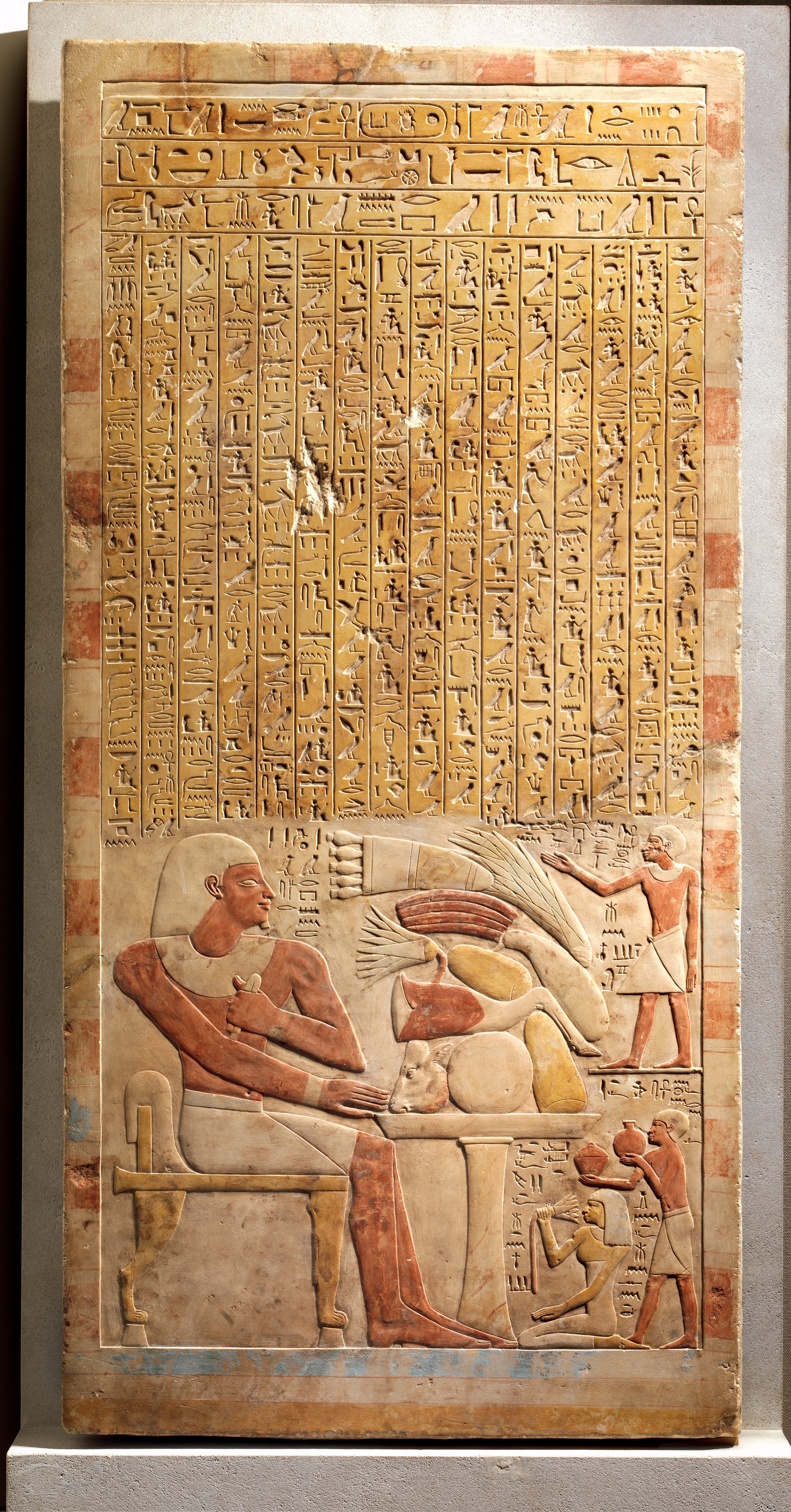
A text can be composed for recitation, transmitted orally, written down, copied, and performed again. These are different events that may occur centuries apart. A manuscript is evidence for the words and notation in that witness; by itself it is not a sound recording of its first performance. Conversely, a living recitation tradition is evidence for the knowledge and practice of its present community; it should not be projected unchanged into every earlier period.
UNESCO documents Vedic chanting as a living oral tradition with taught recitation techniques and tonal accent. This is an exceptionally important source for understanding transmission and present practice. It does not remove the need to compare dated Vedic witnesses and linguistic scholarship when reconstructing an ancient performance. The familiar printed form of a hymn may conceal the ways learners memorized, recited and checked it.
Memory and learned repetition
DCCLT describes school exercises and later Sumerian songs, prayers and liturgical lamentations. Repetition can be pedagogical, poetic or ritual. A formula may preserve an older word while other parts of the tradition change. Its survival does not prove that all speakers continued to use the older word in daily conversation. Ask whether a repeated passage is a performance script, an exercise, a later copy or an editor’s reconstruction from several witnesses.
Dunhuang manuscripts include Buddhist and other writings in multiple languages and formats. Some texts were associated with recitation, but the physical manuscript alone cannot tell us how every line sounded or who performed it. When comparing versions, record the witness’s date, language, script and format before attributing a difference to oral variation. Copying, translation and editorial intervention are alternatives.
Poetic form as evidence
Meter, rhyme, alliteration and parallelism may constrain syllables, word order or pronunciation hypotheses. Their strength depends on knowing the tradition’s conventions and the witness’s reliability. A modern rendering that loses the pattern cannot be used as direct evidence for the source’s sound system. Keep the original line, a careful transliteration and the metrical analysis side by side.
Practice: select a short ritual or poetic passage in a scholarly edition. Mark repeated phrases and any documented meter. State what those features support, and what they do not establish about an individual ancient performance. Do not write IPA sounds where the evidence only supports a spelling or metrical slot.
Modern-language examples on this page clarify a linguistic pattern. They do not establish unattested sounds or forms for an ancient language. Follow the cited sources below and keep editorial readings separate from the surviving trace.