Movements and contacts
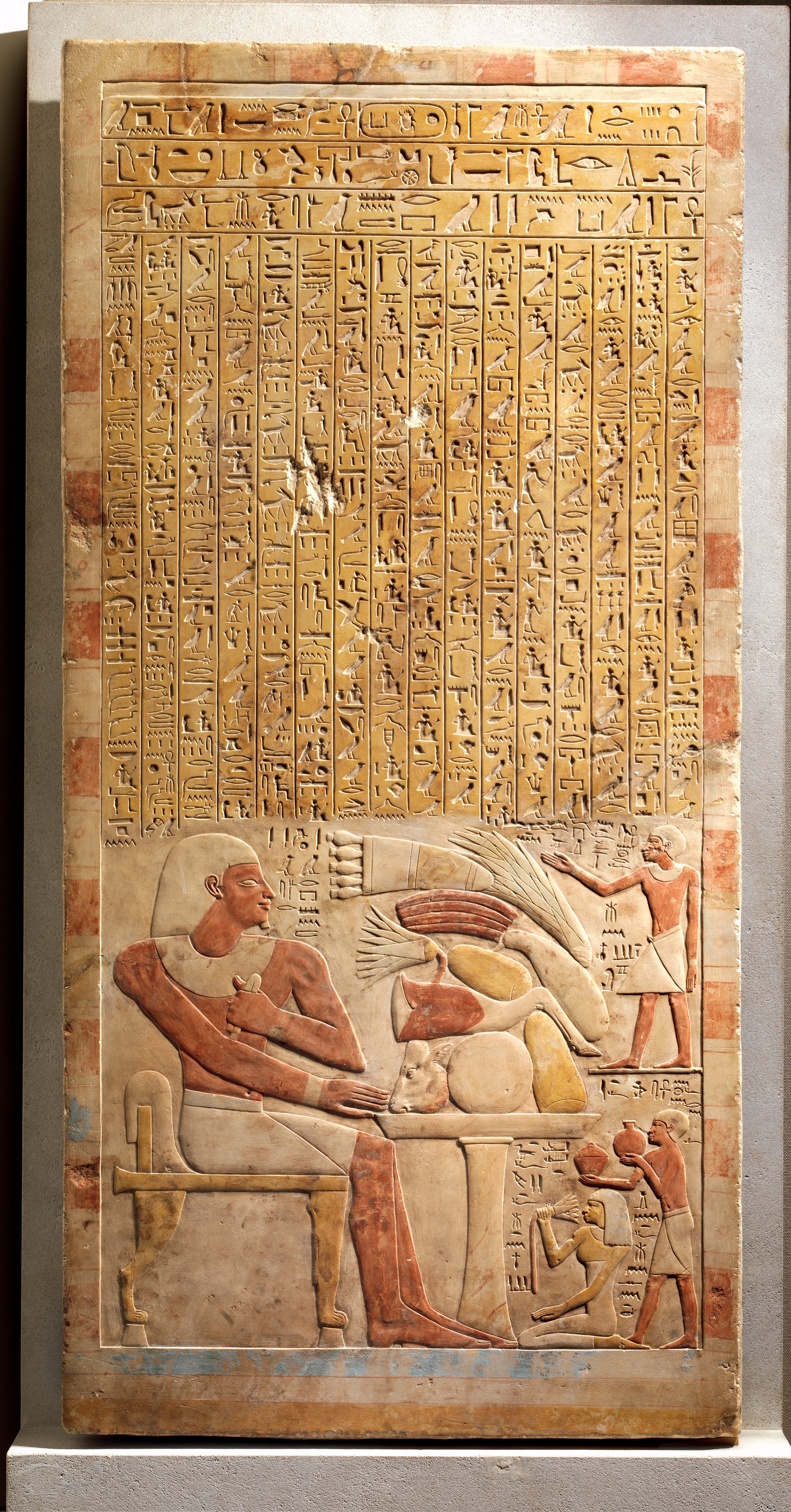
Trade, migration and travel create occasions for contact among speakers and writing practices. An imported object shows movement of an object. An inscribed personal name may show who marked it, who owned it or how it was catalogued, depending on context. Neither alone proves that its carrier spoke the inscription’s language, nor does it map a whole population’s ancestry. Keep archaeological movement, linguistic borrowing and social identity as separate questions.
The Metropolitan Museum of Art discusses inscribed Phoenician finds associated with the Bajo de la Campana shipwreck off Spain, including marked ivory. Its account distinguishes finds, suggested functions and hypotheses about the ship’s activity. Teixidor’s publication of Phoenician inscriptions in the Cesnola Collection separates votive bowls and stelae from inscribed vases. Object type and find context can therefore matter more than an isolated string in assigning communicative purpose.
Loans and bilingual texts
A loanword is a linguistic claim about transmission of a form or construction. To argue for one, compare sound correspondences, meaning, dates and plausible routes, while considering inheritance and chance. A bilingual text shows that someone prepared two written versions; it does not reveal every individual speaker’s repertoire. DCCLT’s Sumerian–Akkadian lists document a particular learned bilingual tradition whose paired words can be studied directly, but the pairings need not be interchangeable in every genre.
Dunhuang’s multilingual manuscripts likewise document a crossroads of textual traditions. They do not justify a simple story in which every language in the collection was spoken side by side in the cave. Each manuscript has its own date, route of transmission and eventual deposition. The archive is a historical collection, not a snapshot of a single multilingual conversation.
An evidential ledger
For a proposed contact claim, write four lines: object or passage, date and place; exact form; comparison form with source; and the historical route proposed. Mark whether each line is attested, edited, reconstructed or inferred. If chronology makes borrowing in the proposed direction impossible, revise the claim. If the route is merely conceivable, state it as a hypothesis rather than an established fact.
Practice: take an inscribed traded object. Write separately what its material provenance, archaeological context, inscription language and onomastics establish. The exercise is complete when those statements remain distinct even if a coherent social interpretation is possible.
Modern-language examples on this page clarify a linguistic pattern. They do not establish unattested sounds or forms for an ancient language. Follow the cited sources below and keep editorial readings separate from the surviving trace.