Words and worlds
Plant, animal, weather and material terms can be evidence for what a tradition classified or discussed. They are not an automatic field guide to every species present in a landscape. A word may be figurative, inherited, imported, learned or copied from an older list. Identification may remain uncertain even when the spelling is clear. Ask whether the text is an account of actual goods, a literary image, a technical handbook or a training list.
DCCLT’s archaic lexical material includes thematic lists of occupations, vessels, birds and fish. Its analysis warns that many listed items are rare or absent in surviving contemporary administrative records. A list can teach possible signs and organize knowledge without serving as a census of what people saw or traded. That distinction is especially important when a rare animal name is the only evidence used for a claim about local ecology.
Medium and preservation
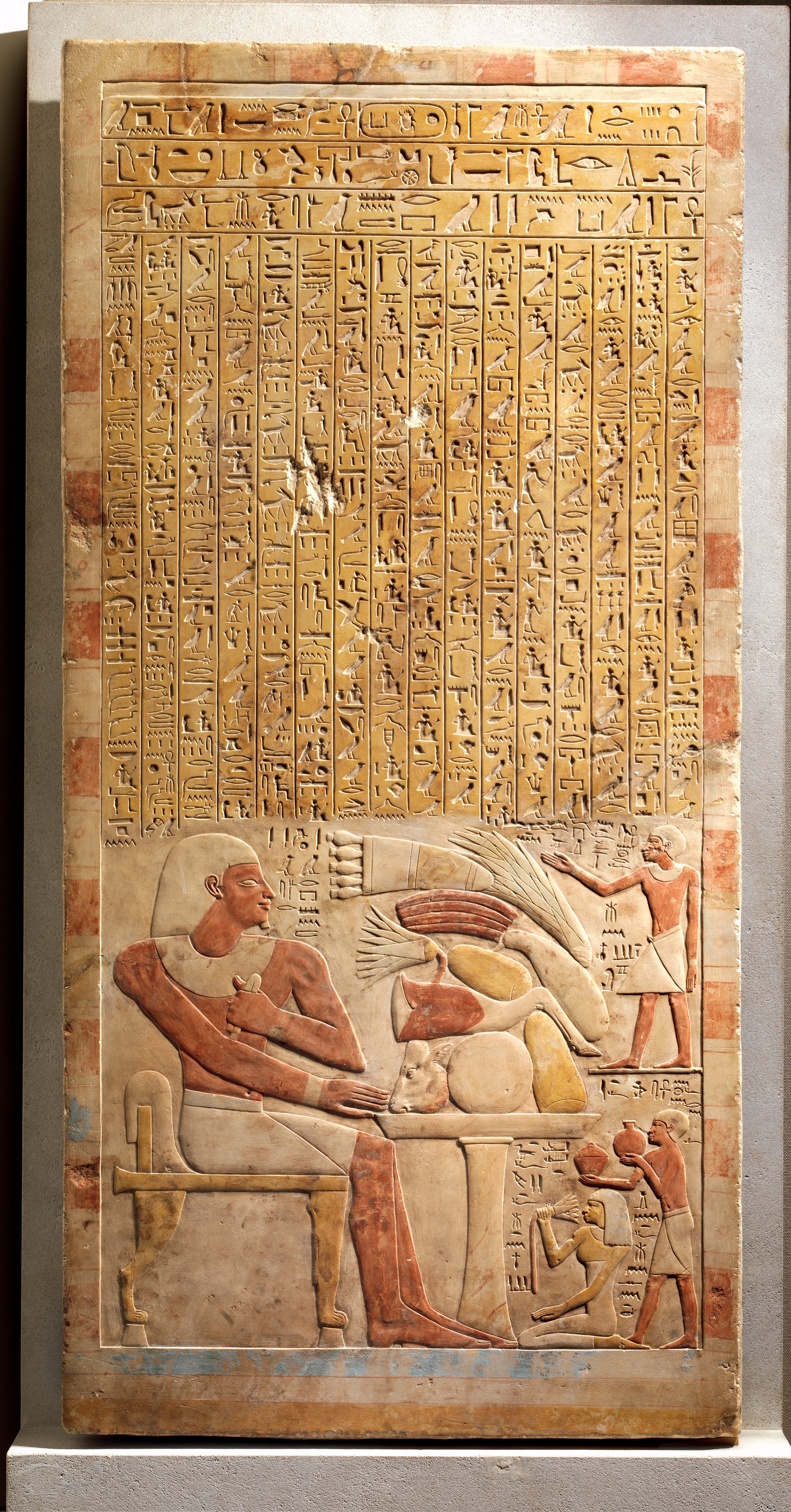
Clay, stone, papyrus, paper, palm leaf, wood and bone are not equally likely to survive, be excavated or be digitized. Stone inscriptions can overrepresent official or commemorative language; fragile notes may vanish in one climate and survive in another. The British Museum’s Hamadab stela is a durable royal monument. The International Dunhuang Programme works with surviving manuscripts on paper and other formats. Comparing their lexical frequencies without attention to material survival would confuse archives with speech communities.
The medium can shape text length, layout and correction. On a stone face, a carved title may occupy visible space; on a school clay tablet, erasure and reuse can be part of the writing process; on a folded letter, address and seal information may lie outside the running text. Record these physical features before normalizing the inscription into a plain paragraph.
Geography and uncertainty
Findspot, place of production and place named by a text may differ. A merchant’s object can travel; a manuscript can be copied centuries after its underlying composition; a museum acquisition location may only be the modern market. Use the catalog’s distinct fields. When provenance is insecure, the correct regional claim may be a range or “unknown.” This affects etymology and cultural interpretation as much as a map pin.
Practice: choose one commodity noun from an administrative tablet and one animal noun from a lexical list. Compare contexts, object dates, written forms and proposed identifications. Explain why the two attestations support different kinds of claim about economic or ecological life.
Modern-language examples on this page clarify a linguistic pattern. They do not establish unattested sounds or forms for an ancient language. Follow the cited sources below and keep editorial readings separate from the surviving trace.