Correspondence
A letter may name a sender and recipient, convey a request, preserve a greeting or expose a family relationship. It is still crafted writing, often using conventional openings and a trained hand. A scribe might write for someone else. Therefore a letter can give access to concerns and interaction absent from monumental inscriptions without becoming a transparent recording of spontaneous speech.
British Museum papyrus EA10284 is catalogued as a letter in which Butehamen expresses concern about his father. Its address was written on the verso so it showed when the sheet was folded and sealed. That material arrangement is part of the communicative event: the address and message have different audiences and positions. The object record also gives a date and findspot, which should precede any linguistic generalization.
A fragment and an address
The British Museum describes EA10922 as an early Demotic letter torn at top and bottom, with an address trace on the reverse and the sender’s name lost. A modern transcription may present a continuous line of words, but the object does not supply all of them. Keep lost names, margins and damage visible. A polite blessing at the opening may be a conventional epistolary formula rather than evidence that every private exchange used that wording.
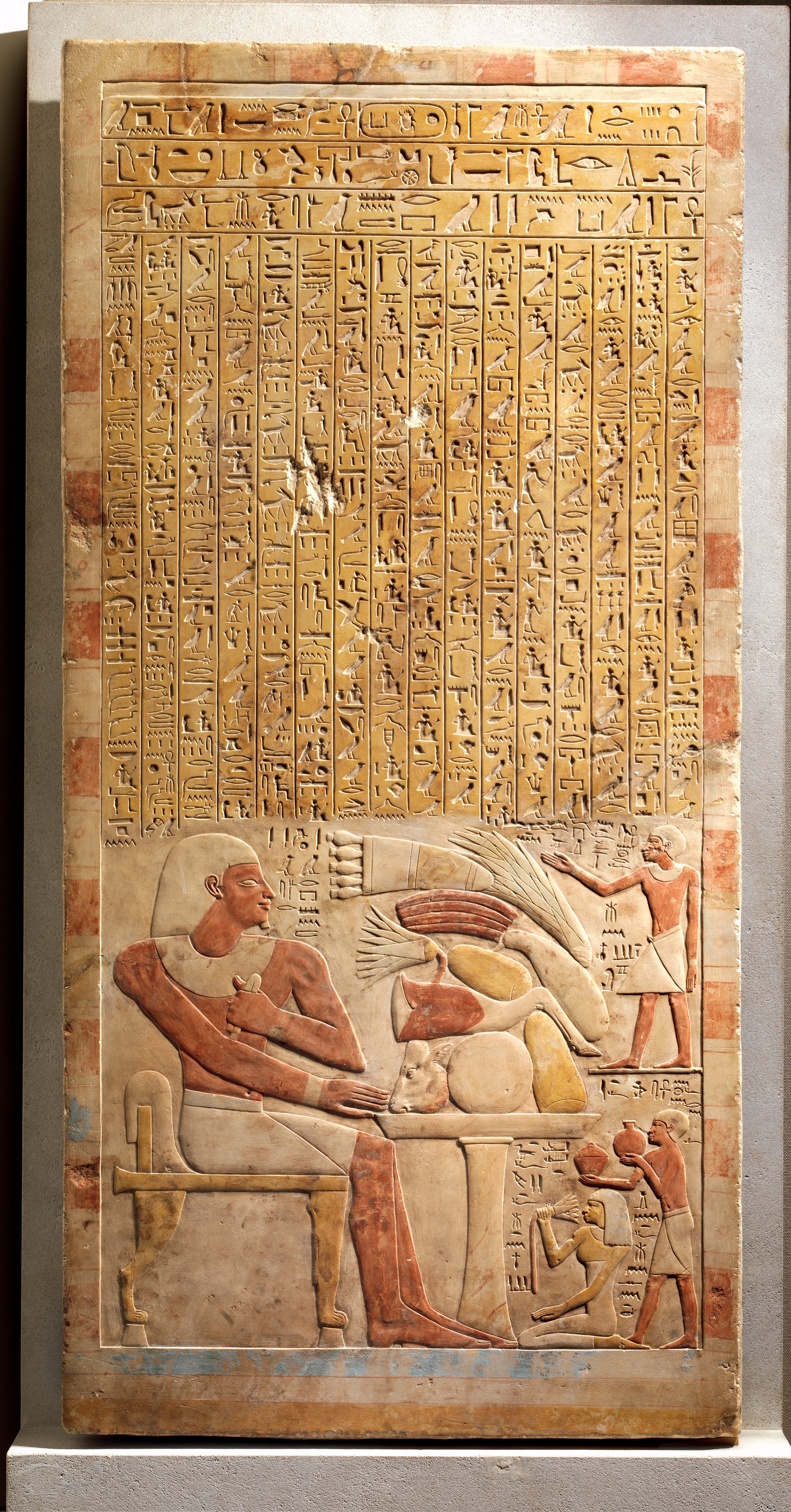
Compare the letter to a priestly decree or funerary stele from a similar broad region. Differences in pronouns, titles, requests or address may reflect genre, date, script or audience. One letter and one decree do not establish a statistical register contrast; they provide a hypothesis to test against a larger dated sample.
Social inference
A surviving letter identifies at least one written interaction. It need not prove that sender or recipient personally penned it, that they shared a home language, or that all households had access to the same writing practice. The people least able to commission durable writing can be hardest to recover. Preserve this bias when a narrative about “ordinary life” rests on a selective archive.
Practice: make a two-column note for EA10284. Put the catalog’s observable or reported object facts on one side and interpretations of relationship, audience or register on the other. Cite an edition for any grammatical analysis; a collection description is not a full text edition.
Modern-language examples on this page clarify a linguistic pattern. They do not establish unattested sounds or forms for an ancient language. Follow the cited sources below and keep editorial readings separate from the surviving trace.