The setting of a formula
A ritual text may use repeated names, parallel lines, fixed openings, unusual vocabulary or deliberately preserved old forms. Those are observations to test, not automatic properties of every religious tradition. The function of an expression depends on its local practice: a petition to a deity, a commemoration of a vow, a divination question and an instruction for the dead do different work. Avoid translating all of them as generic “prayer.”
Inscribed acts
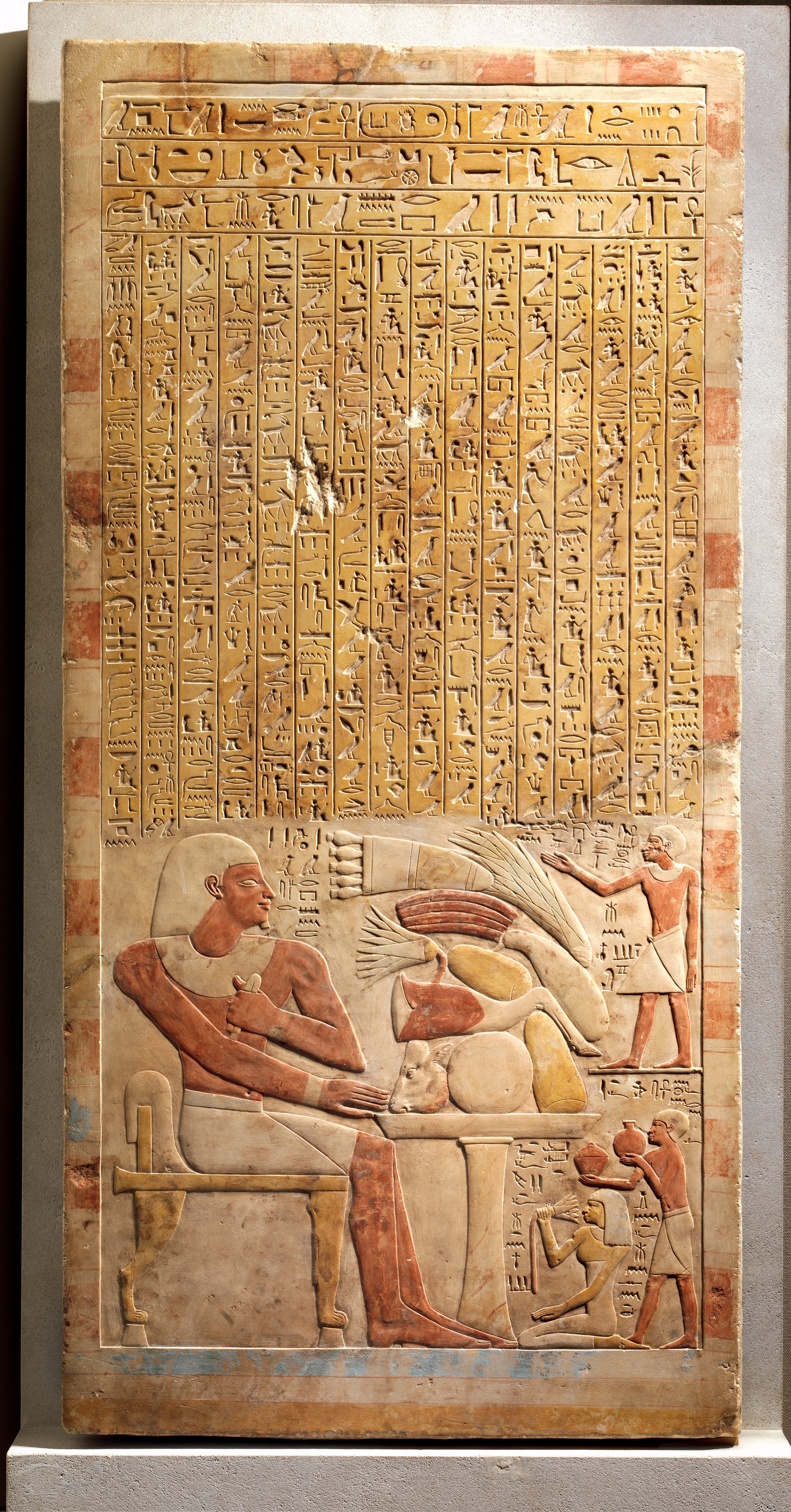
The Metropolitan Museum of Art identifies Shang oracle bones as records associated with royal divination ceremonies on bone or turtle shell. The British Museum’s Punic stela SOC.102 is catalogued as a votive object from Carthage with a short inscription and named deities. Its Greek gold tablet from Petelia carries a text guiding the owner in the underworld. These objects document different speech acts and audiences. A divinatory question is not a conversation transcript; a votive formula is not a count of everyday uses of a divine name.
The material and visual program matter. A short inscription beside images on a stele can leave relationships implicit that the ritual setting supplied. A tablet intended to be buried or worn has a different circulation from a public decree. Where a museum record offers a cultural label but no full reading, stop at the record’s documented facts and consult an edition before analyzing grammar or translating a disputed phrase.
Transmission of sacred texts
The International Dunhuang Programme describes Cave 17 manuscripts in multiple languages, including Chinese, Sanskrit, Khotanese, Uyghur and Sogdian, with Buddhist and other materials. The diversity shows that a site of religious manuscript preservation can contain several linguistic and textual traditions. It does not prove identical reading practices across all communities represented. A translated scripture, a copied commentary and a personal devotional text require their own bibliographic identification.
Practice: compare one votive object and one manuscript witness. List what can be inferred from text, material, findspot, catalog description and later scholarly edition. For each proposed “religious meaning,” identify the words and construction that carry it, then the contextual evidence that narrows interpretation.
Modern-language examples on this page clarify a linguistic pattern. They do not establish unattested sounds or forms for an ancient language. Follow the cited sources below and keep editorial readings separate from the surviving trace.