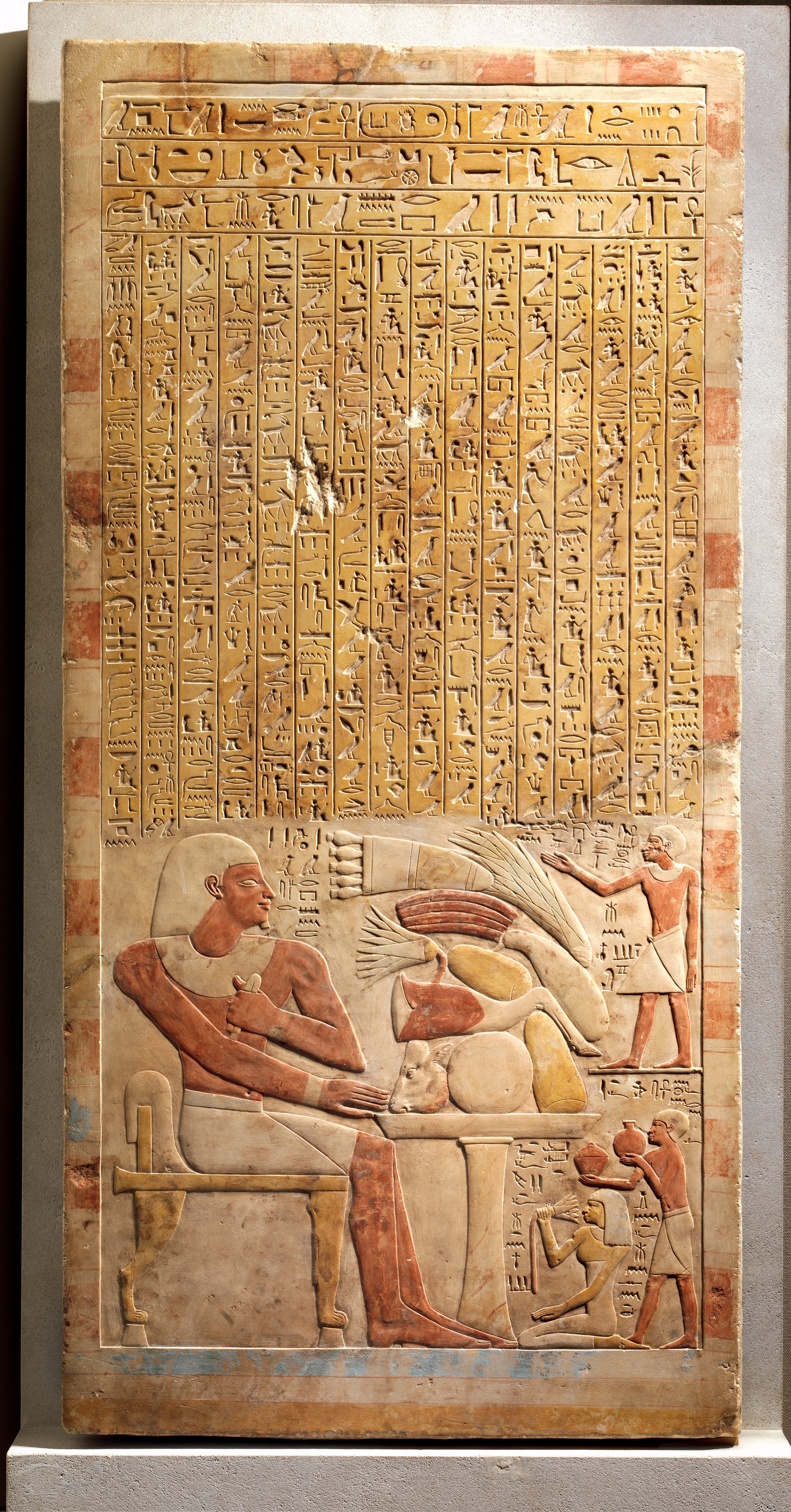
Source packet
Choose one object with a stable institutional identifier and a published edition. Assemble an image or facsimile, the object record, an edition with transliteration or transcription, a grammar, a dictionary, and at least one relevant comparison from the same genre. Write the date and source of each item. If rights do not permit republishing an image, link to the institution rather than copying it. Keep collection description and scholarly interpretation separately cited.
Analysis
Transcribe what is visible, marking damage and restoration. Segment words or signs only after identifying the edition’s conventions. Parse forms, compare dictionary senses in attested contexts, and produce a close gloss before a fluent translation. Next identify genre, patronage, probable audience, material and place. Test each cultural suggestion against the linguistic analysis: a context can favor one plausible parse but cannot create an unattested ending.
Comparative questions
Try this with DCCLT school tablet UM 29-16-31, Rosetta Stone EA24, British Museum Yaxchilan Lintel 24, Met oracle bone 67.43.14, Punic votive stela SOC.102, or Hamadab stela EA1650. These are not interchangeable “ancient texts.” Each has a distinct evidence packet and may require specialist editions beyond its museum record. For the oracle bone or Punic stela, a catalog entry alone is insufficient to translate a sign sequence; the responsible first result may be a contextual description and a list of editions to consult.
Finish with an evidence table: attested form, edited reading, contextual fact, interpretation and remaining uncertainty. For every interpretive sentence, note which line or feature supports it and which alternative reading remains possible. A good result may be narrower than an attractive historical story, but a later student can test it.
Revision
Revisit the interpretation when a new edition, image or parallel text appears. Record what changed: sign identification, morphology, date, provenance or genre. If only the historical frame changes, do not rewrite the visible text. If a sign reading changes, rerun the grammar and dictionary analysis. The point of contextual reading is not to produce one irreversible answer but to keep every layer accountable.
Modern-language examples on this page clarify a linguistic pattern. They do not establish unattested sounds or forms for an ancient language. Follow the cited sources below and keep editorial readings separate from the surviving trace.