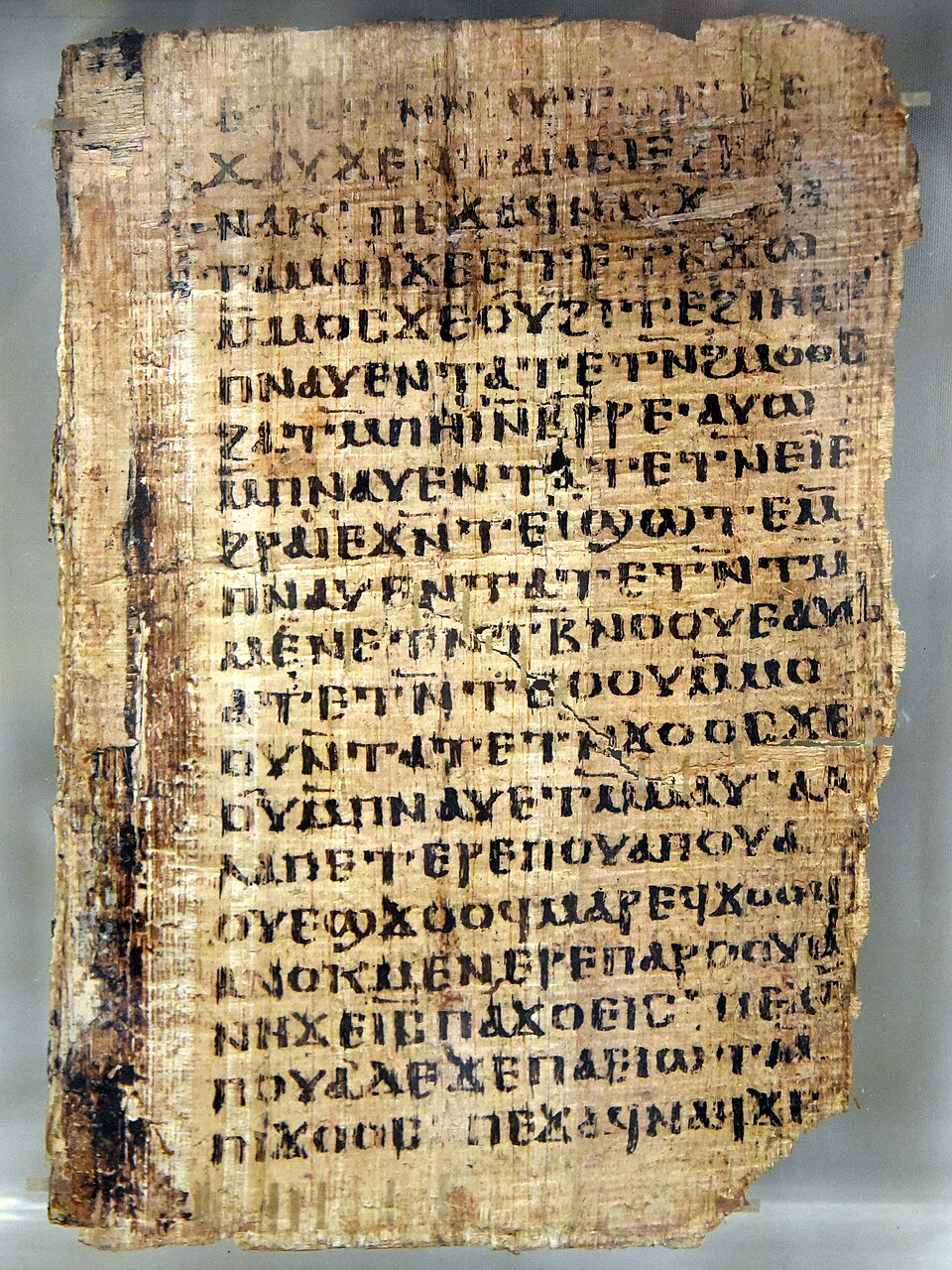
An object’s address
A shelfmark or call number identifies an item within a repository’s system. It is not usually a work title, date or page number. The same composition can have different shelfmarks in different libraries, and a manuscript may acquire an earlier and a current shelfmark. Record the institution with the identifier. Cambridge “MS Add. 1643” and Vatican “Vat. gr. 1209” are examples of repository-specific identifiers.
A catalogue record can describe contents, physical form, hands, origin, provenance, bibliography and digital surrogates. TEI’s manuscript description model keeps identifiers, contents, physical description and history in distinct structures. A short discovery record may omit much of this information; absence from a field is not evidence that the feature is absent from the object.
A citation that survives
For a passage, cite holding institution, current shelfmark, folio or page and side, and line or column if useful. Add the stable object URL, consultation date when relevant, and edition or transcription if your reading depends on it. Image 47 may correspond to folio 21r because covers, flyleaves and blank pages also occupy images. Do not substitute viewer numbering for foliation without stating it.
Practice: find an object record in DigiVatLib or Cambridge Digital Library. Write a full citation and mark which number is a shelfmark, which is a folio, and which is merely a viewer position.
Modern-language examples on this page clarify a linguistic pattern. They do not establish unattested sounds or forms for an ancient language. Follow the cited sources below and keep editorial readings separate from the surviving trace.