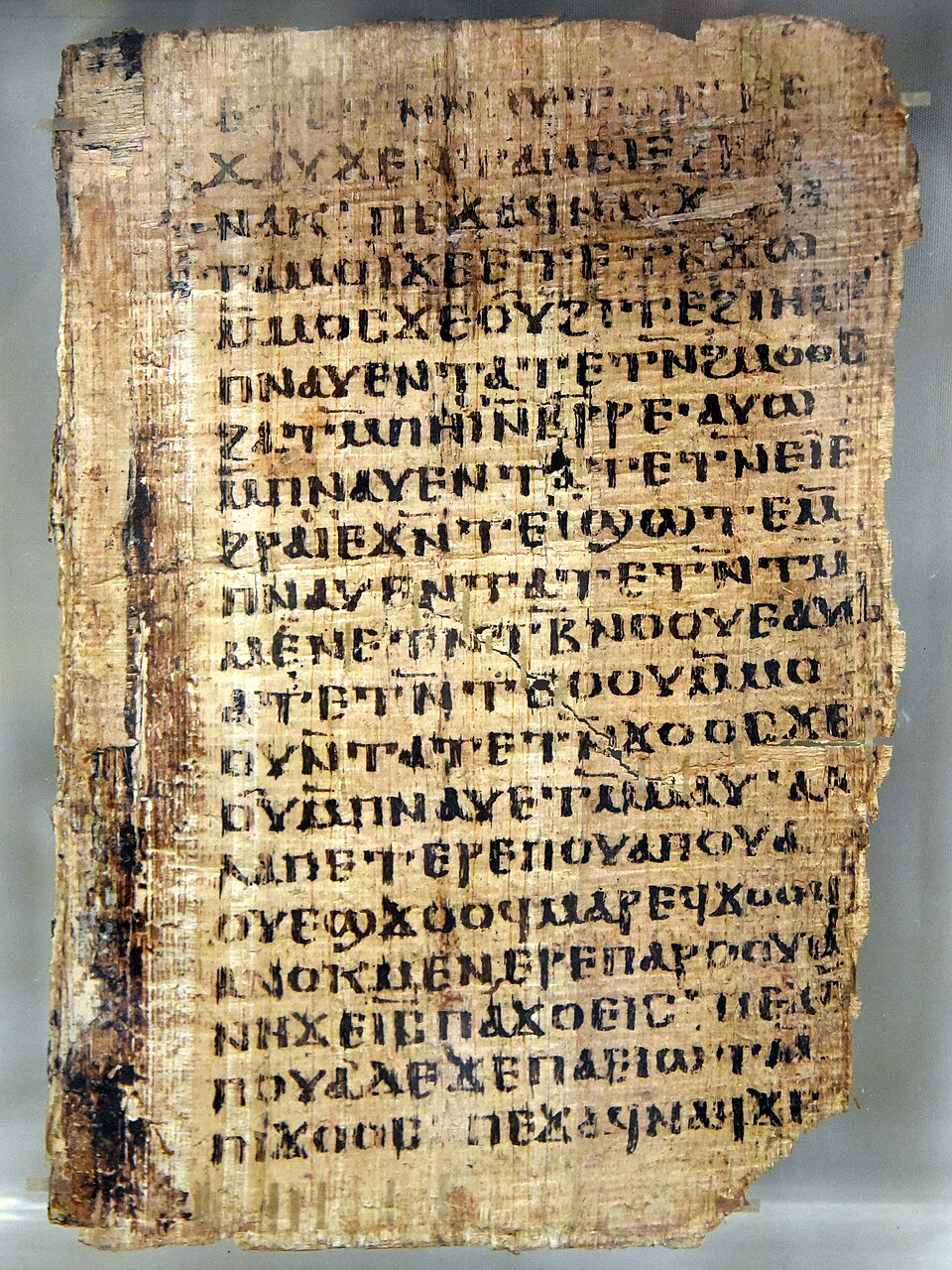
Condition is evidence
Tears, abrasion, water damage, pest loss, flaking ink and a tight binding can all hide text. An apparent gap in a digital image may be a missing piece of support, a fold, an occluded inner margin or a failed exposure. State which problem the image shows. A conservation repair can stabilise an object but may cover, rearrange or visually alter earlier evidence.
The Library of Congress advises supports for bound objects and rejects pressure to flatten fragile books for a cleaner image. Difficult formats such as scrolls and palm leaves require a handling plan. A student should not infer that an unreadable gutter should have been forced open.
Care and research
Conservation aims to preserve the object and its evidence, not to make every line look new. A catalogued treatment history may explain why two photographs of the same leaf differ. Digitisation can reduce repeated handling, but the capture process itself needs a condition assessment and trained staff.
Practice: find a catalogue condition note. Separate physical damage, treatment, and the limit each imposes on your reading.
Modern-language examples on this page clarify a linguistic pattern. They do not establish unattested sounds or forms for an ancient language. Follow the cited sources below and keep editorial readings separate from the surviving trace.