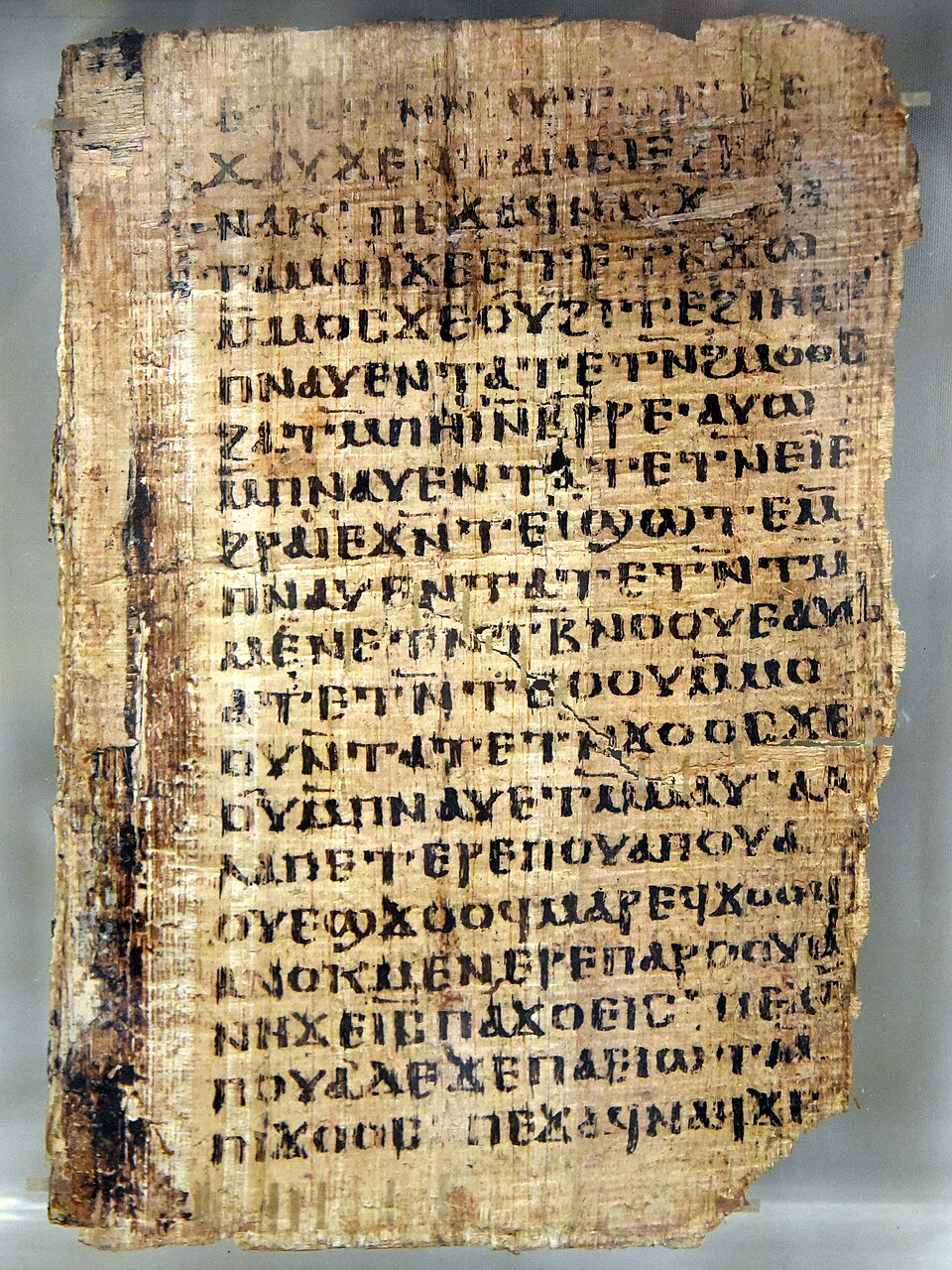
Object, text and witness
A manuscript is a text-bearing object written or drawn by hand. It may be a book, a single document, a roll, a loose leaf or a fragment. A work is the composition that a manuscript may transmit; a witness is one surviving object that carries it. One codex can contain several works, and one work can survive in many witnesses. A digital photograph is a representation of a witness, while a transcription and an edition add reading and editorial decisions.
Begin with a stable object identifier and its present repository. Then record the support, format, dimensions, writing surface, number and order of leaves, language, script, hands, date evidence and later additions. A catalogue may not know every answer. “Unknown” is more informative than an attractive but unsupported guess.
A first reading of the object
Open an institutional record and locate the image of its cover or first surface. Identify where the writing starts and the direction in which the object is handled. Compare the image labels with any folio numbers written on the object. Note the difference between a modern viewer sequence and the manuscript’s own sequence.
Practice: choose one Cambridge or Library of Congress record and write three separate references: the object shelfmark, one physical leaf or surface, and the digital image or viewer link. Explain which of the three would still locate the item if the website layout changed.
Modern-language examples on this page clarify a linguistic pattern. They do not establish unattested sounds or forms for an ancient language. Follow the cited sources below and keep editorial readings separate from the surviving trace.