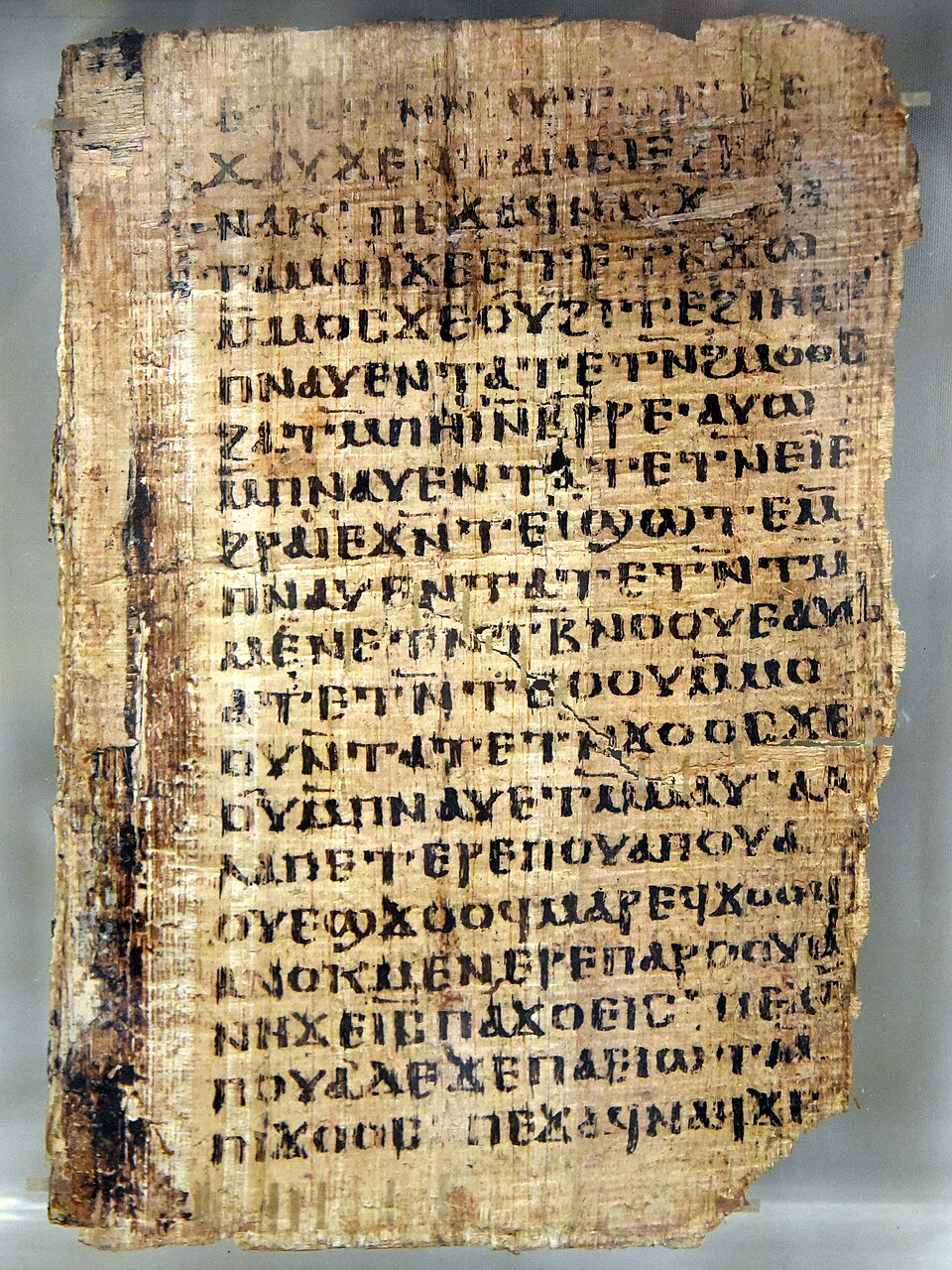
Material and preparation
Parchment is prepared animal skin; paper is a sheet formed from fibres; papyrus is made from prepared plant strips. Palm leaves are cut, treated and often assembled in long, narrow books. Birch bark can preserve writing on layered sheets or strips. The words name supports, not dates or languages: paper and parchment were both used in many places, and a book may include replacement leaves of another material.
Look for evidence that a record can actually support: sheet size, fibre or hair and flesh sides, ruling, holes for string, seams, repairs, stains and trimmed edges. An image may suggest a support, but a confident identification often depends on an institutional examination. A digital zoom cannot show thickness, texture or flexibility reliably.
Ink, pigment and later intervention
Ink and pigment can fade, flake, soak through or be obscured by repairs. A dark mark is not always original writing; it may be a correction, a later owner’s note or damage. Undertext in a reused support requires special imaging or examination before it can be read. When a catalogue says “palimpsest,” identify which layer the claim concerns.
Practice: inspect two images of unlike supports. Record what is visible, what the catalogue states, and what remains an inference. Keep those three columns apart.
Modern-language examples on this page clarify a linguistic pattern. They do not establish unattested sounds or forms for an ancient language. Follow the cited sources below and keep editorial readings separate from the surviving trace.