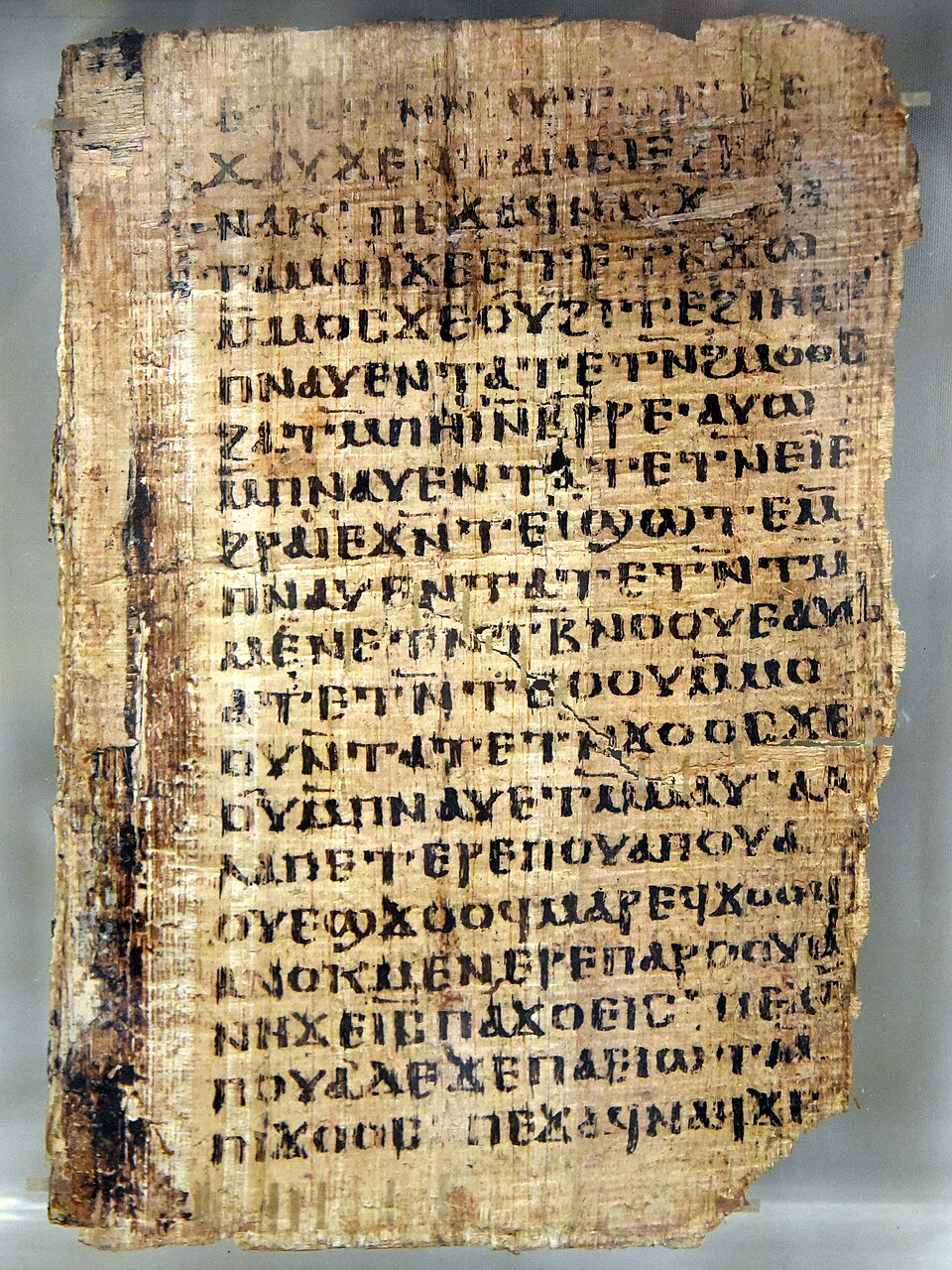
Describing the item
Descriptive metadata identifies an object and records what is known about its contents, support, extent, language, script, date and history. Structural metadata records how parts and images relate. Administrative metadata can record capture, rights and preservation information. A single title field cannot replace all three. Date of composition, copy, acquisition and digitisation should have distinct labels.
A transcription is an editor’s reading of marks, not the marks themselves. A diplomatic transcription preserves the witness’s spellings, lineation and corrections as far as its conventions permit. Normalization may expand abbreviations, regularize spelling or segment words. Translation adds interpretation. Keep Unicode original script and transliteration as separate searchable fields where relevant.
Linking layers
TEI provides elements for manuscript description and for visible damage, uncertain readings, gaps, additions and deletions. IIIF annotations can associate a transcription with a canvas or image region. A strong record lets a student move from a translated phrase to the normalized text, diplomatic line and exact surface. If one layer is unavailable, state the gap rather than inventing it.
Practice: build a five-row note for one line: object and shelfmark; folio and image; diplomatic reading; normalization; translation. Add a sixth row for uncertainty and source of each reading.
Modern-language examples on this page clarify a linguistic pattern. They do not establish unattested sounds or forms for an ancient language. Follow the cited sources below and keep editorial readings separate from the surviving trace.