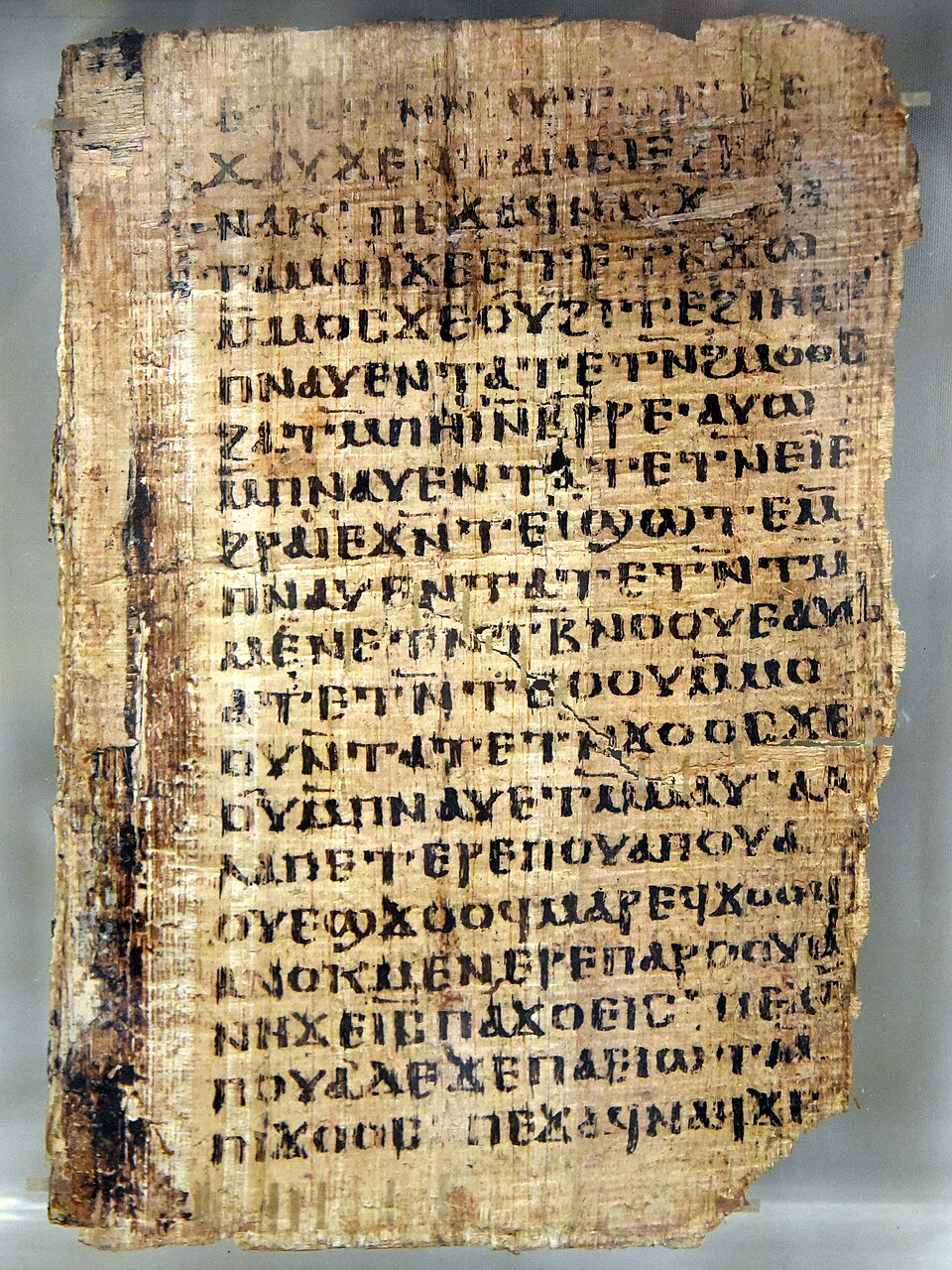
Making the page
A scribe may rule writing lines, reserve a margin, mark sections with colour, leave space for an illustration, or add a catchword to help the binder. Page design is evidence of planning and use. The number of lines, columns and characters per line can change within a codex. A neat modern transcription often removes these features and makes the text appear more uniform than the witness.
Look for changes in ink, ductus, letter shape and spacing before assigning a new hand. A heading, correction or marginal note may belong to the principal scribe, an assistant or a later reader. “Different hand” is an analysis grounded in repeated forms, not simply a change of colour.
Corrections and annotations
A correction can be made while copying, after comparison with another exemplar, or centuries later. Deletion, insertion marks and interlinear text should be reported without silently merging them into one line. A gloss may translate a word, explain it, or dispute the text. Record the physical location and plausible sequence of layers before deciding which layer an edition prints.
Practice: select one page with a visible addition or marginal note. Describe where it sits and how you know it differs from the main line. Keep a tentative date or attribution separate from what the photograph proves.
Modern-language examples on this page clarify a linguistic pattern. They do not establish unattested sounds or forms for an ancient language. Follow the cited sources below and keep editorial readings separate from the surviving trace.