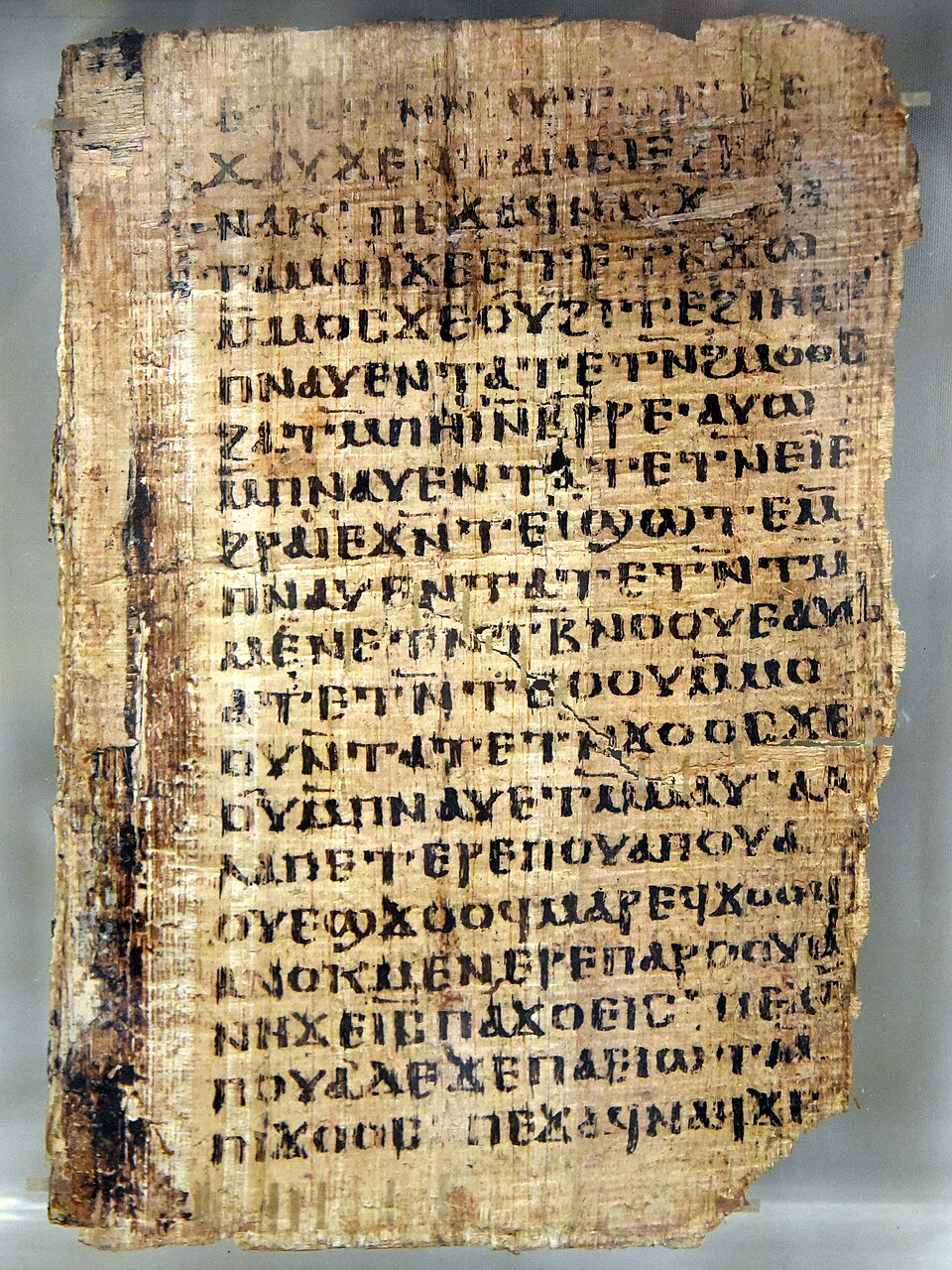
What the systems do
Optical character recognition is commonly used to derive text from images of print. Handwritten text recognition attempts the harder task of transcribing handwriting; success depends on script, hand, layout, image quality and appropriate training data. The Library of Congress notes that batches dominated by handwriting can give poor conventional OCR results. A model trained on one hand or period may fail on another.
Character error rate is a useful measure against a checked transcription, but a low average can hide serious errors in names, numerals, abbreviations or damaged lines. Layout analysis can merge columns or marginalia in the wrong order before character recognition even begins. A fluent machine output is not proof that the letters are visible.
Using machine text responsibly
Use automatic output for discovery and tentative search, then inspect the image and a trustworthy edition before citing a reading. Keep the raw output, corrected transcription, model or method, and correction date separate. Mark words that cannot be confirmed. For unfamiliar scripts and mixed-language pages, a human transcription may be the safer starting point.
Practice: compare ten words of machine text with the corresponding image. Count character differences, but also classify the errors by name, abbreviation, line order and damage. Explain which error would most affect a historical claim.
Modern-language examples on this page clarify a linguistic pattern. They do not establish unattested sounds or forms for an ancient language. Follow the cited sources below and keep editorial readings separate from the surviving trace.