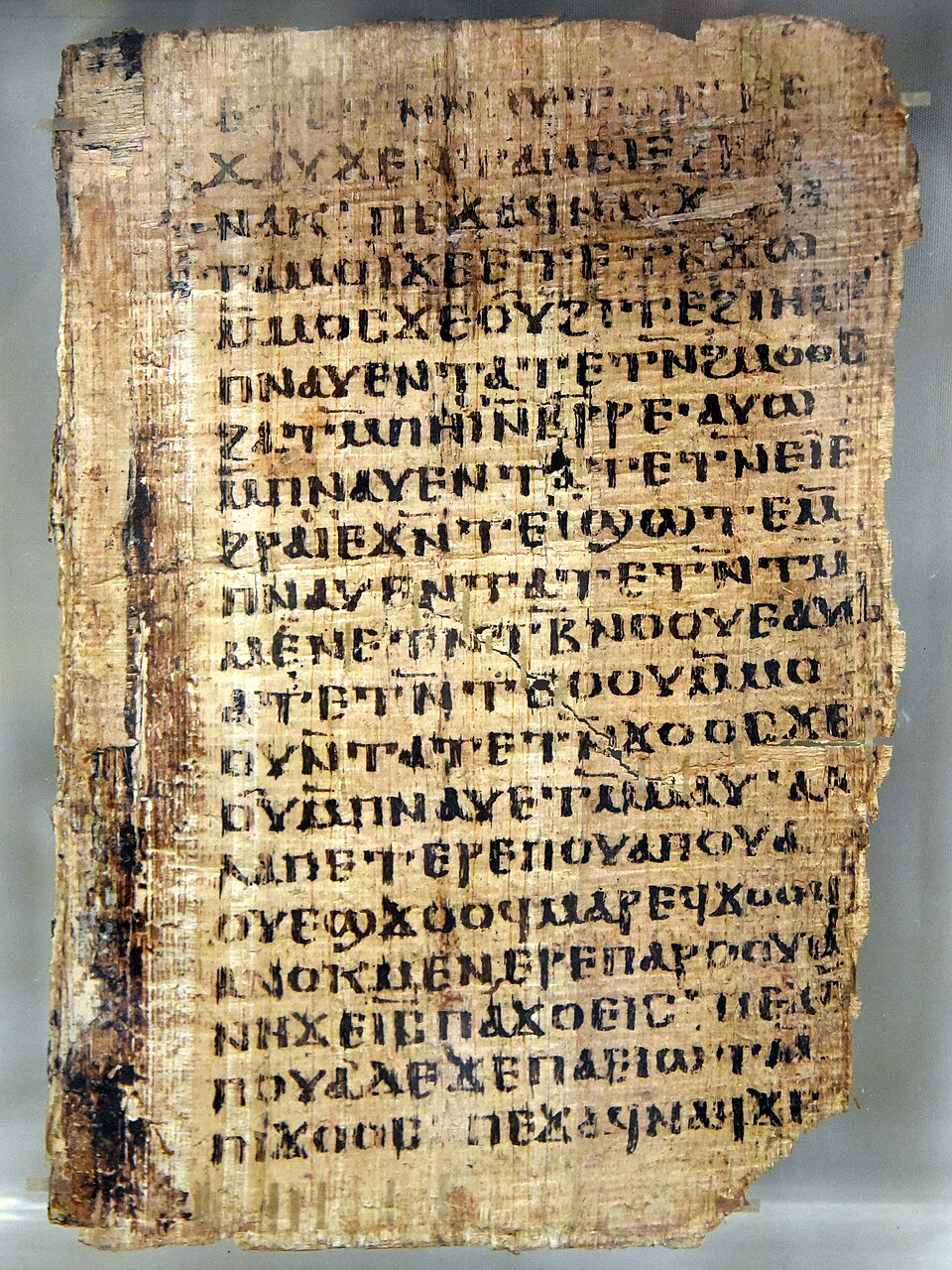
Before capture
A digitisation project identifies the object by repository and shelfmark, records its condition and decides what can safely be imaged. Staff plan supports, opening angles and sequence. Fragile folds, loose leaves or a restricted binding may require a conservator. Capture should document covers, significant blanks and fragments as well as text pages; if the result is selective, the object record should say so.
Selection also has intellectual consequences. A portal may digitise famous illuminated pages before ordinary documents, or image only a small portion of a large collection. Researchers should not treat what is online as a random sample of what survives.
Capture to access
Make calibrated images with an identification and order check. Review focus, cropping, colour and missing exposures. Store preservation files with fixity checks and backup copies, then derive delivery images. Describe the item, connect images to physical surfaces, attach rights and access terms, and publish stable object records and, where possible, IIIF manifests.
A workflow is not complete when a photograph appears in a viewer. Long-term storage, links that remain resolvable, correction of metadata and clear notices when access changes are part of stewardship. A repository may hold a complete preservation file while showing only selected or restricted web images.
Practice: write a capture checklist for a fragile four-leaf manuscript with a loose cover. Include one conservation decision, one sequence check and one item-level rights check.
Modern-language examples on this page clarify a linguistic pattern. They do not establish unattested sounds or forms for an ancient language. Follow the cited sources below and keep editorial readings separate from the surviving trace.