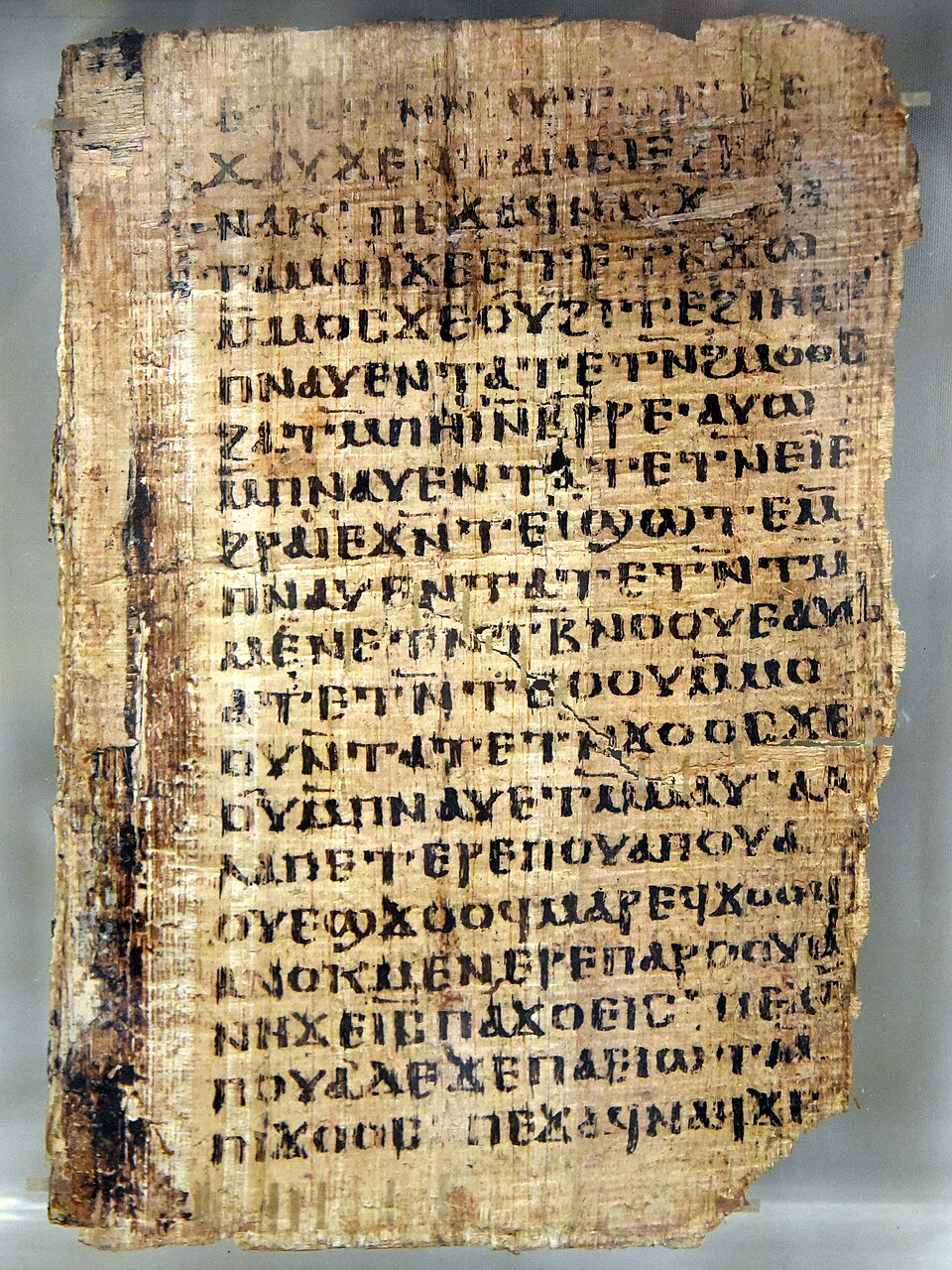
A biography of the object
A manuscript can be made in one place, used in another, sold or displaced, acquired by a collector, and finally deposited in a library far away. Origin is the claimed place of production; findspot is where it was found; provenance can mean a chain of custody. State which sense is intended. Ownership notes, seals, catalogue entries and acquisition records can establish different segments of that chain.
A present repository location must not be mistaken for the manuscript’s cultural origin. The Library of Congress publishes digital images of manuscripts held by partner libraries in Timbuktu; its online presentation does not make those objects American manuscripts. Similarly, a collection in Cambridge can contain a manuscript made in Nepal.
Ethical description
Catalogue records may reproduce older attributions or incomplete acquisition histories. Do not smooth uncertainty into a confident narrative. Note documented transfers, missing intervals and contested claims, using the institution’s current object record and relevant community scholarship. A digitised surrogate can improve access while the original remains with a local custodian.
Practice: draw a custody timeline for one portal item. Use a different label for each documented holder, inferred place and modern digital host.
Modern-language examples on this page clarify a linguistic pattern. They do not establish unattested sounds or forms for an ancient language. Follow the cited sources below and keep editorial readings separate from the surviving trace.