Reading a colophon
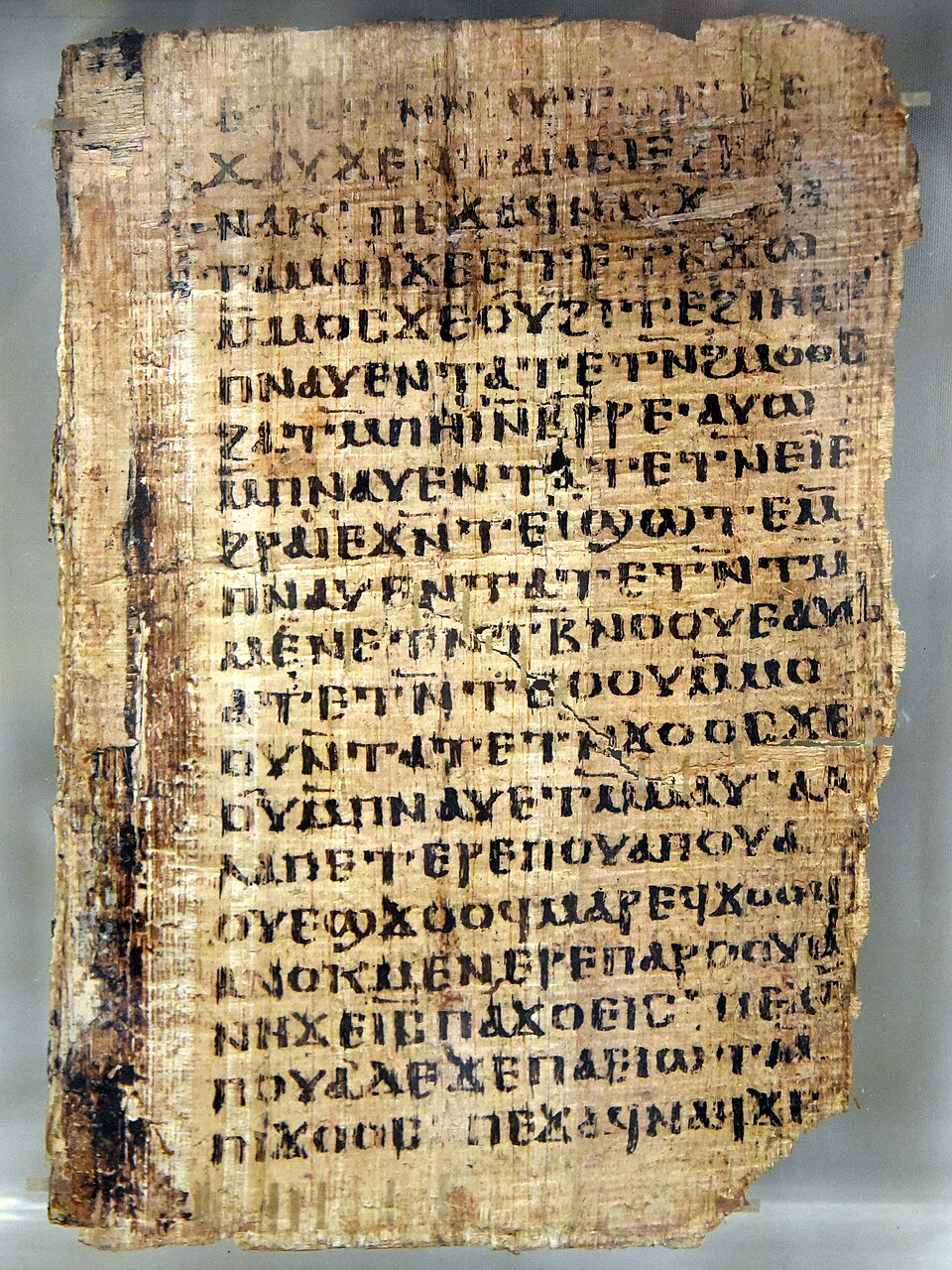
A colophon is a statement often found at the end of a work or copy. It may name a scribe, patron, place, date, exemplar or purpose. It may also be copied from an earlier exemplar. Its wording must be read and placed in its own physical layer: the date of the colophon is not automatically the date of every leaf, and a named author need not be the scribe.
Cambridge University Library identifies MS Add. 1643 as an illustrated Perfection of Wisdom manuscript dated 1015. That is an unusually concrete case for asking exactly which line supplies the date, how its calendar is interpreted, and whether other leaves or later binding share the same date. Consult the object record and image rather than repeating a year without its basis.
Separate timelines
A useful manuscript timeline has at least four entries: composition of the work, copying of this witness, later corrections or rebinding, and modern acquisition and imaging. Dates can be exact, approximate or unknown. An undated witness is not necessarily recent; a dated witness does not date the work’s first composition.
Practice: make the four-entry timeline for MS Add. 1643 using only documented facts. Label any chronological inference as an inference.
Modern-language examples on this page clarify a linguistic pattern. They do not establish unattested sounds or forms for an ancient language. Follow the cited sources below and keep editorial readings separate from the surviving trace.