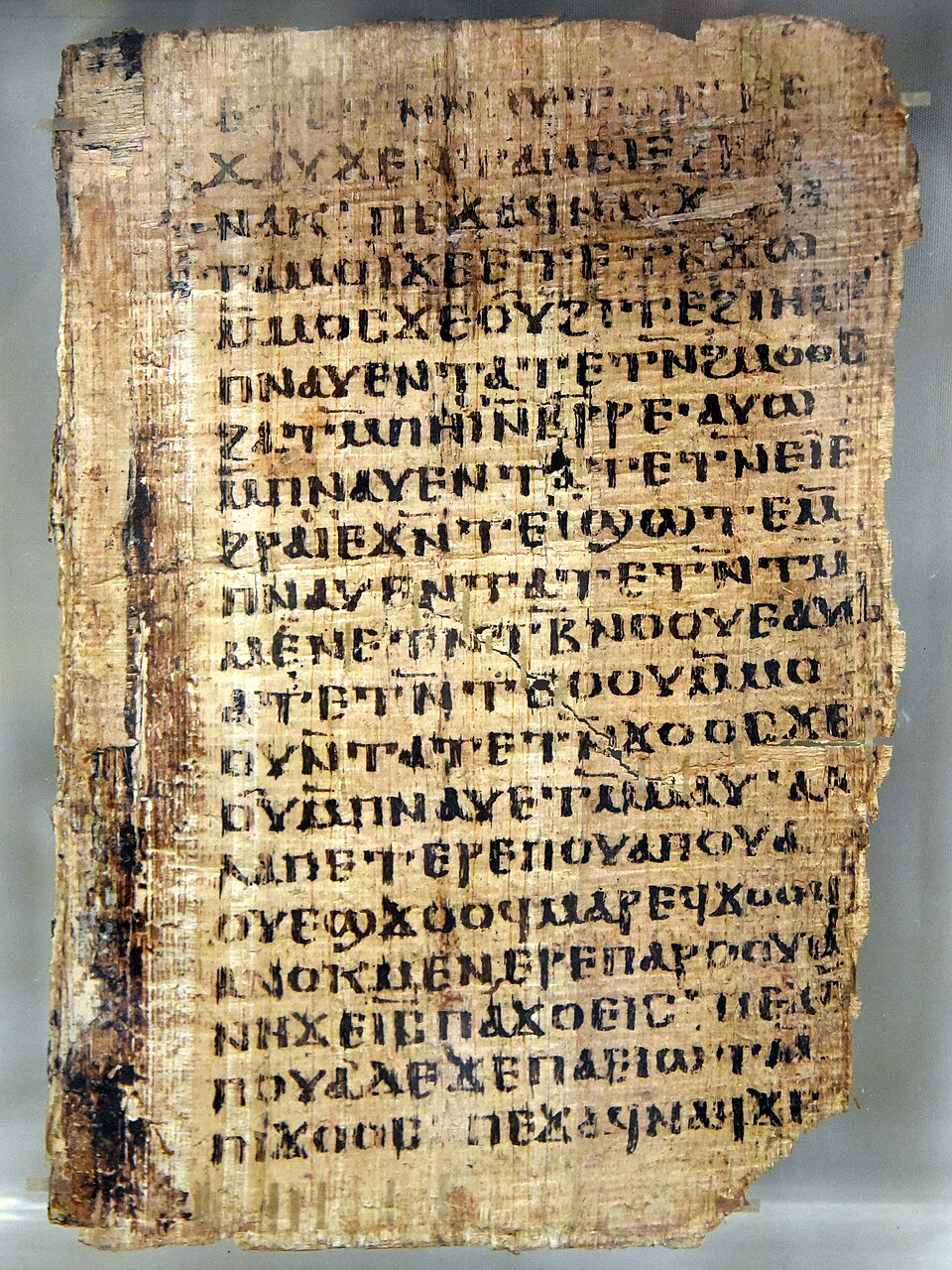
Several ways to carry a text
A scroll or roll may present a continuous support divided into columns; reading advances by unrolling. A palm-leaf book often has long leaves between boards, with one or more string holes. A pothi-style book resembles that long-leaf shape but need not be made of palm leaf. An accordion or screenfold book is made from joined and folded panels. These formats coexist across traditions; none is a universal stage on the way to the codex.
The direction of reading cannot be inferred from English page order. Record the panel, column and surface sequence supplied by the object or catalogue. The holes, fold lines and edges can cut across text or images and can show whether a leaf is missing or misplaced.
Format and cultural context
The Library of Congress Ethiopic collection contains codices and scrolls. Cambridge’s South Asian collections include palm leaf, birch bark and paper. Indonesia’s Khastara distinguishes old manuscripts from rare printed books and other documentary materials. These portals let a student compare concrete objects without treating a continent as one material tradition.
Practice: describe one roll or leaf book in five terms: support, assembly, reading path, visible later marks and digital coverage. If the portal does not show all five, mark the absent evidence.
Modern-language examples on this page clarify a linguistic pattern. They do not establish unattested sounds or forms for an ancient language. Follow the cited sources below and keep editorial readings separate from the surviving trace.